Nova Scotia Travel Guide: Small Province – Big Journeys
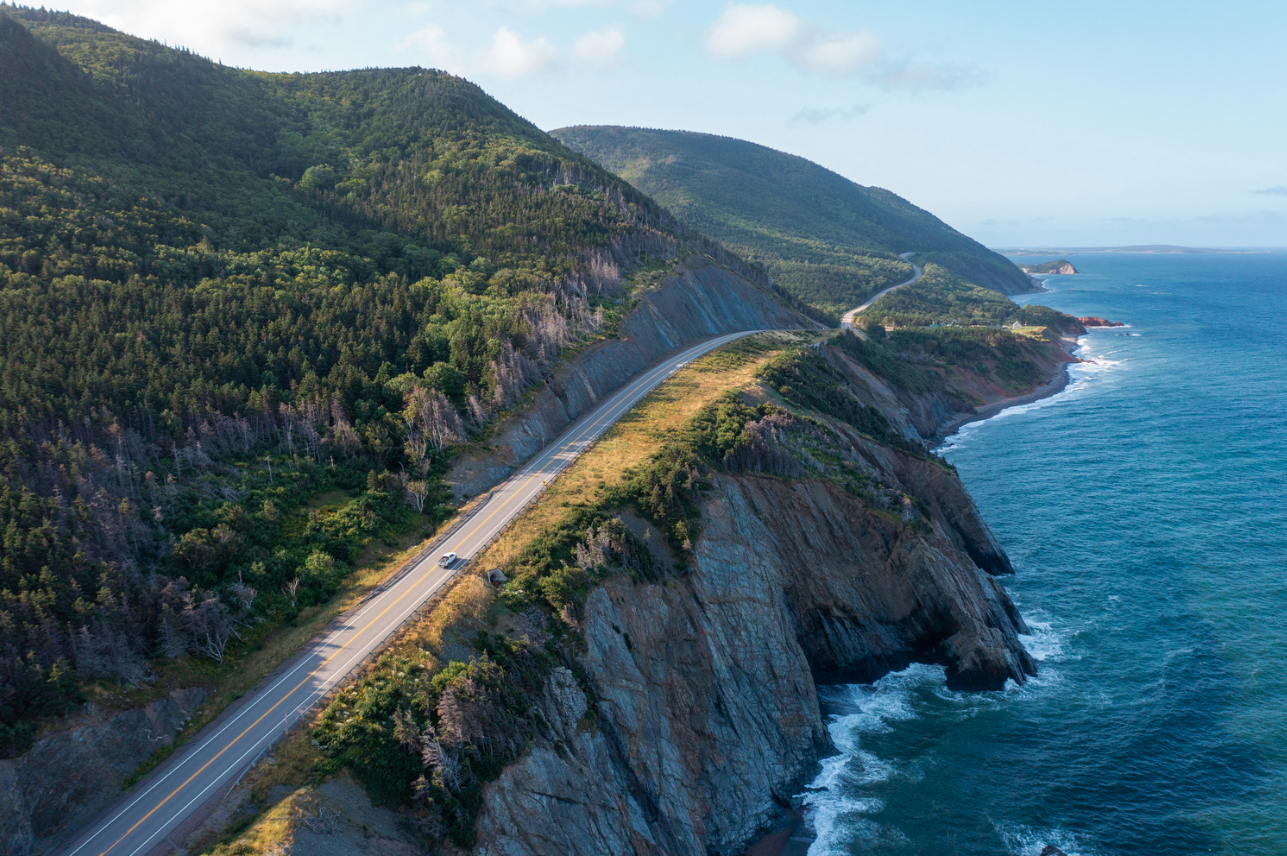 Photo Credit: Tourism Nova Scotia / Adam Hill
 Known for its distinctive character and coastal charm, Nova Scotia is renowned for being warm, welcoming, and quietly captivating. Known affectionately as “Canada’s Ocean Playground,” this Atlantic gem lures travellers to its rugged shorelines, distinctive lighthouses, quaint fishing communities and colourful heritage towns. With miles of accessible coastline, it’s a place where ocean views are part of nearly every journey. Our Nova Scotia Travel Guide is here to explain our favourites and help you plan your next adventure.
Offering celebrated driving routes like the scenic Cabot Trail, alongside quiet beaches and walking trails traversing dramatic cliffs, Nova Scotia invites travellers to slow down and take it all in. Each region has its own charm, from the Eastern Shore’s white-sand beaches, to the fertile Annapolis Valley’s award-winning vineyards and the world-famous Bay of Fundy tides. Explore historic towns like UNESCO designated Lunenburg, taste fresh-off-the-boat seafood, or follow hiking paths that wind through forests and along salt-sprayed headlands.
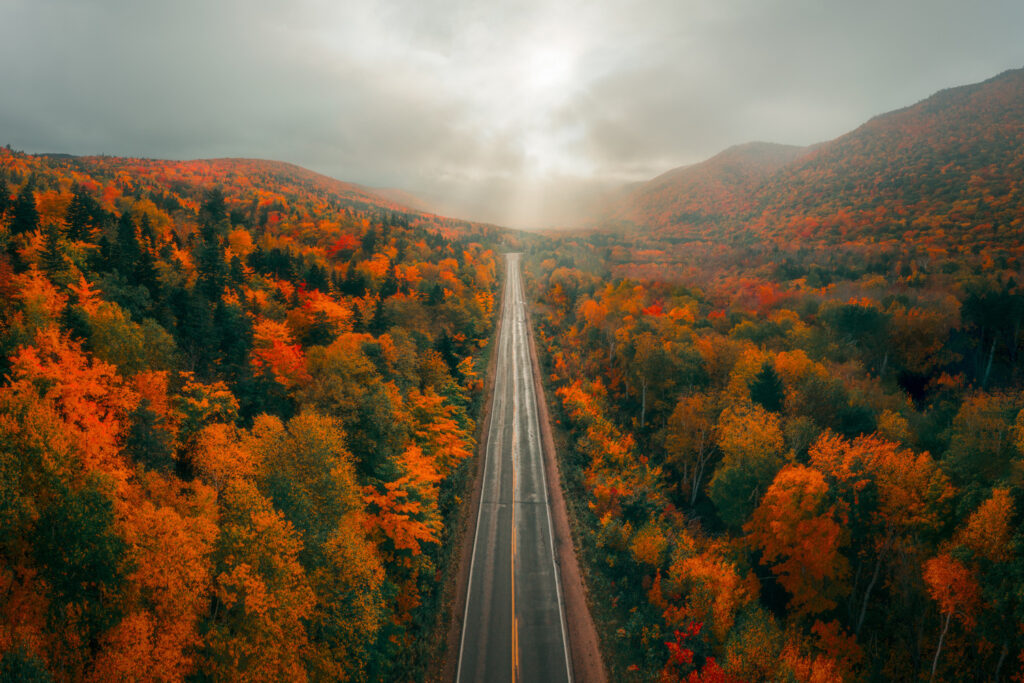
Nova Scotia may be a small province, but it’s rich in stunning coastal scenery, accessible journeys and a strong sense of place. Most routes begin and end in Halifax, Nova Scotia’s lively capital and the gateway to the Maritimes.
Halifax: Where Maritime History Meets Modern Energy
Halifax is a city shaped by the sea. Perched on one of the world’s largest natural harbours, it’s compact, walkable, and welcoming. It’s an ideal introduction to Nova Scotia.
Walk the Halifax Waterfront Boardwalk
Stretching for over 10 city blocks, the waterfront is the heart of Halifax. Lined with restaurants, shops, museums, and harbour views, it’s perfect for an unhurried stroll. Watch fishing boats and ferries glide past, grab fresh seafood, and soak up the atmosphere. This is Halifax at its most vibrant.

Discover the Titanic Story at the Maritime Museum of the Atlantic
Few people realise Halifax’s deep connection to the Titanic. The city was among the first to receive distress calls, and many victims are buried here. The Maritime Museum offers a moving and informative insight into this chapter of history, alongside exhibits on Nova Scotia’s broader seafaring past.
Visit Pier 21: Canada’s Immigration Museum
Often compared to Ellis Island, Pier 21 tells the stories of the millions of immigrants who arrived in Canada through Halifax. It’s a powerful, human-centred museum that adds depth to any visit and highlights Halifax’s role as a gateway to a new world.
Climb Citadel Hill
Dominating the city skyline, Citadel Hill National Historic Site offers panoramic views over the harbour. Explore the star-shaped fortress, learn about Halifax’s military past, and time your visit to hear the noon gun – a daily tradition that dates back over 150 years.
Relax in the Halifax Public Gardens
These Victorian-era gardens are a peaceful oasis in the city centre. Perfectly manicured lawns, ornate fountains, and winding paths make this an ideal spot for a quiet pause between sightseeing.
Beyond Halifax: Exploring Nova Scotia’s Distinct Regions
While Halifax provides a brilliant introduction, Nova Scotia truly shines once you hit the road.
South Shore: Postcard-Perfect Coastal Towns
Just 45 minutes from Halifax lies Peggy’s Cove, home to one of Canada’s most photographed lighthouses. While small, the dramatic granite coastline and fishing village charm make it a worthwhile stop.
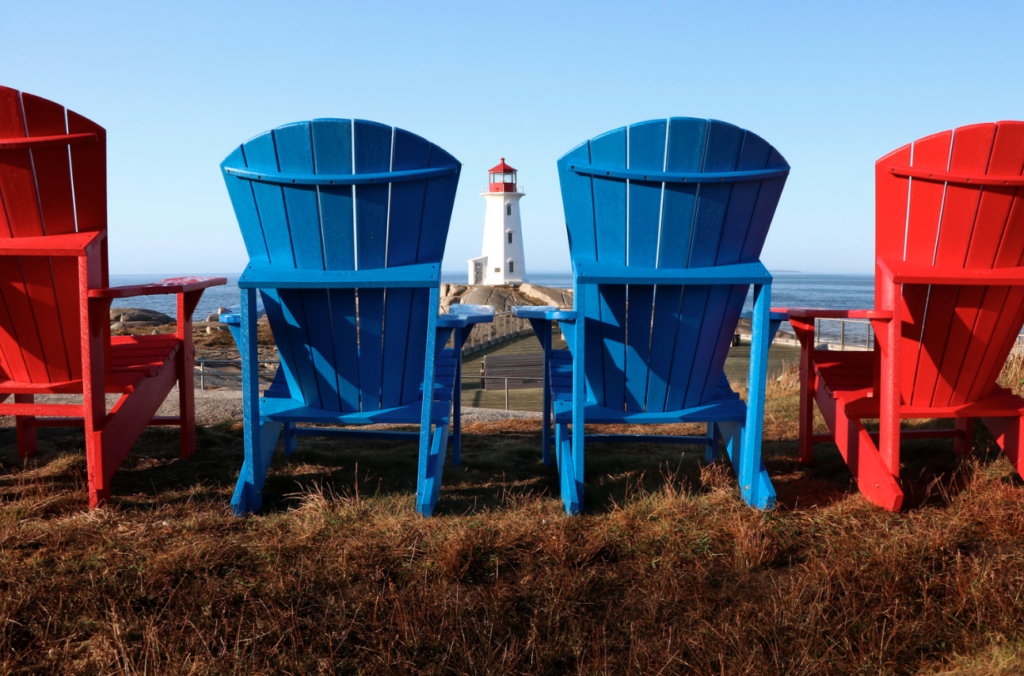
Continue south to Mahone Bay and Lunenburg, another 30 minutes on. Lunenburg is a UNESCO World Heritage Site, known for its colourful waterfront, preserved architecture, and deep fishing heritage. With its Nordic feel and slower pace, it’s well worth at least a full day – if not an overnight stay.
Yarmouth & the Acadian Shores: Culture and Quiet Landscapes
This region tells the story of Nova Scotia’s French Acadian roots, alongside Indigenous history that predates European settlement. Expect a mix of coastal scenery and inland wilderness. Kejimkujik National Park & National Historic Site is a highlight here – flat terrain, rivers, and lakes make it ideal for canoeing and gentle exploration, with ancient Mi’kmaq petroglyphs adding cultural depth.
Bay of Fundy & Annapolis Valley: Tides, Wine, and Wildlife
The Bay of Fundy is famous for having the highest tides in the world, and timing your visit with the tides is key. Walking along the ocean floor at low tide or dining by the shore as the water rushes back in is a uniquely Nova Scotian experience.

The Annapolis Valley is also Nova Scotia’s wine country, with fertile farmland and increasingly impressive vineyards. Whale watching from Digby is another draw – but this is not a short excursion. It’s around two hours each way from Halifax, so it deserves a full day or overnight stay. For something more adventurous, tidal bore rafting offers a thrilling (and muddy!) way to experience the power of the tides – just don’t wear white!
Northumberland Shore: Beaches and Breathing Space
Often overlooked, this area offers warm-water sandy beaches in summer and a slower rhythm of travel. It’s a great place to build in a rest day on a fly-drive itinerary. This is also where the ferry to Prince Edward Island departs, making it a natural transition point for travellers continuing their Maritime journey.
Cape Breton Island: The Soul of Nova Scotia
Connected to the mainland by bridge, Cape Breton feels like a world of its own. This is where mountains meet the sea, and where Nova Scotia’s Gaelic heritage is most strongly felt. The legendary Cabot Trail winds through Cape Breton Highlands National Park, offering some of the most dramatic coastal scenery in Canada. Highlights include the Skyline Trail, Meat Cove, and endless wildlife sightings.
Base yourself in Baddeck, visit the Fortress of Louisbourg, and explore the legacy of Alexander Graham Bell, who spent much of his life here and is buried nearby. Evenings often revolve around Celtic music, storytelling, and kitchen parties – informal gatherings where locals share songs, laughter, and tradition.
Eastern Shore: Wild, Untamed, and Understated
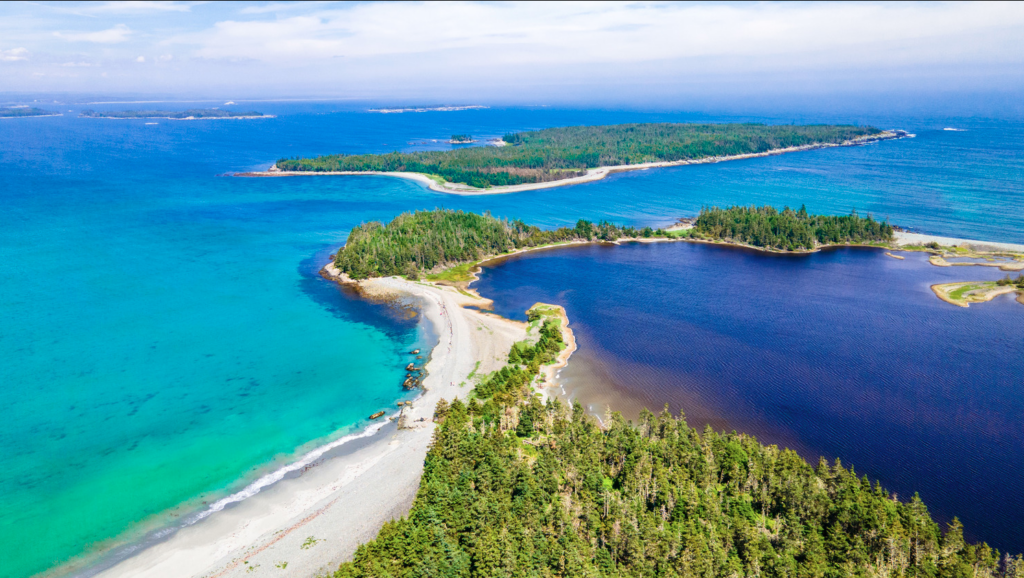
Less visited than other regions, the Eastern Shore is perfect for travellers seeking something quieter. Think rugged coastline, small communities, sea kayaking, and even surfing. It’s a reminder that Nova Scotia still has places where tourism feels secondary to everyday life.
How Long Do You Need?
A self-drive holiday is the best way to explore Nova Scotia, with iconic sights and off-the-beaten-path treasures dotted across the province, a car can take you further. We recommend around 10 – 14 days to explore at a comfortable pace, and a minimum of 2 weeks if you wish to add-on Prince Edward Island or New Brunswick to your trip.
Exploring with Magnetic North Travel
At Magnetic North Travel, we design itineraries that balance highlights with hidden gems – whether that’s a classic Highlands & Islands Explorer journey or a broader Highlights of the Maritimes itinerary covering all the Maritime provinces. Or make the Maritimes the start of a railway journey across Canada, with our Self-Guided Rail Trip: Coast to Coast with Activities.
If Nova Scotia is on your radar, we’d love to help you explore it properly. For those planning a wider trip, our luxury Canada holidays can be tailored to combine the Maritimes with rail journeys, wilderness lodges, city stays and remote coastal adventures.