More Than a Pastry: Swedish Fika and Cinnamon Buns Across the Nordics
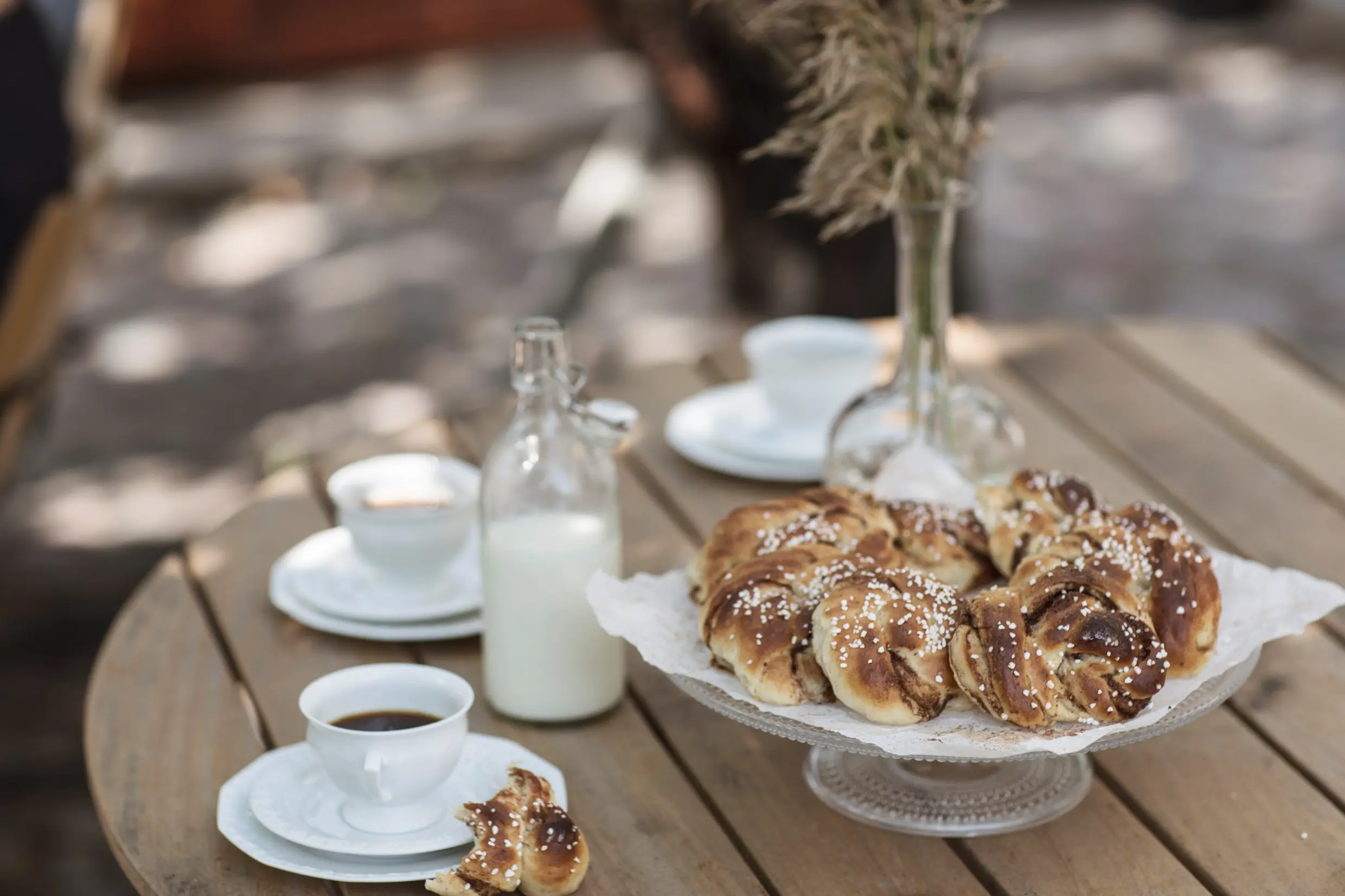 Photo Credit: Tina Stafrén/imagebank.sweden.se
If you are planning a trip to Northern Europe, we hope that the food and drink scene would be one of the main reasons. This region is booming with excellent restaurants and cafes, from Michelin stars to independent coffee roasters. There is one daily cultural tradition which dominates across Northern Europe. This is the tradition of Swedish Fika, roughly translating to ‘a coffee break’ or ‘to have a coffee’. However, it is so much more than that!
To understand how communities here operate, you first have to understand the social philosophy behind it. This raises a common question for travellers: what is fika?
At its core, this Swedish coffee break tradition is the non-negotiable daily ritual of slowing down to catch up with friends or colleagues over a hot drink. And while local bakeries offer a wide variety of baked goods, nothing completes the experience quite like the classic pairing of Swedish fika and cinnamon buns. These distinct, spice-infused Swedish sweet rolls are a cultural institution across the entire region.
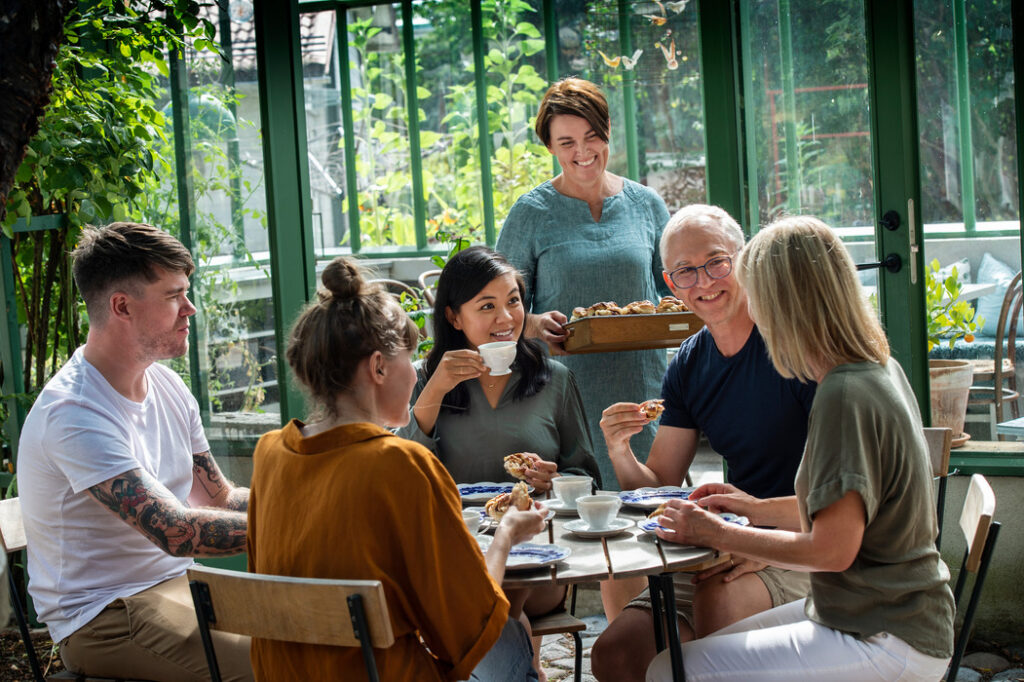
But how did a simple pastry become the backbone of Northern European social life? To find out, we have to look back at the history of how this national obsession began.
The History of a National Obsession
While the love for Swedish fika and cinnamon buns feels timeless, the pastry as we know it today is a relatively modern invention. To understand its origins, we have to look back to the years following the First World War.
Before the 1920s, ingredients like refined sugar, white flour, and imported cinnamon were expensive luxuries, reserved only for the wealthy. However, as the global economy recovered and trade routes opened up, these ingredients became affordable for ordinary households. This ignited a golden age of traditional Swedish pastry making.
Initially, these Swedish sweet rolls were a luxury treat enjoyed only on special occasions. But by the 1950s, as the post-war economy boomed, the Swedish coffee break tradition became cemented in everyday life.
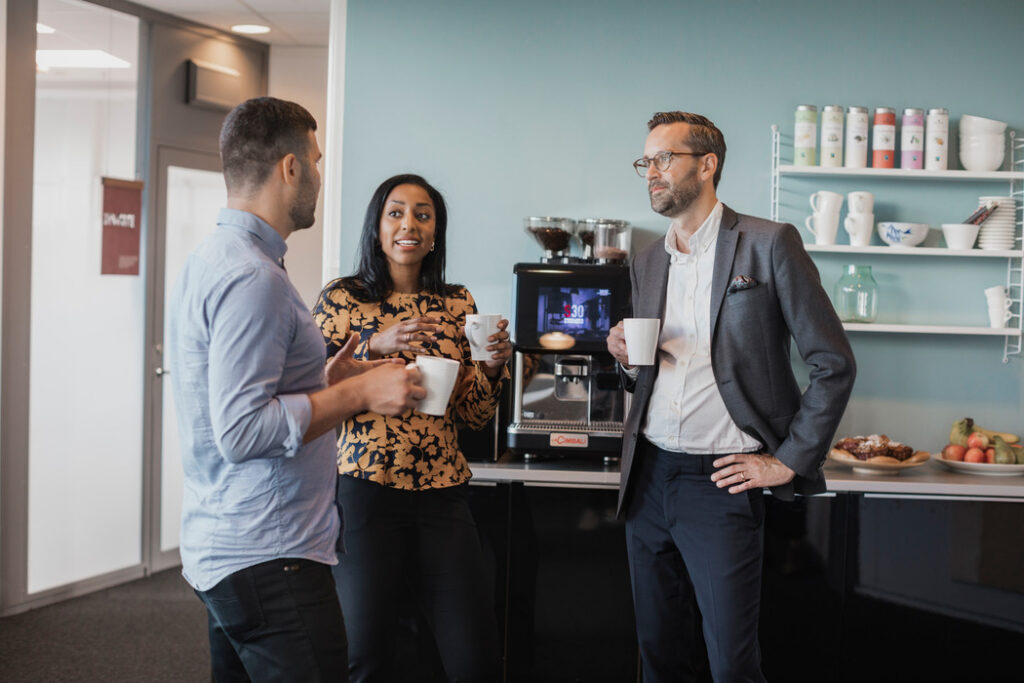
Many companies build fika breaks into the working week to improve working relationships and productivity. Some even write the right to a break directly into employee contracts. Networking is an important part of Swedish, if that’s within a friend group or work environment, it isn’t about grab and go. It is time to connect and build on those relationships.
What Makes the Nordic Bun Unique?
Now, when we say cinnamon bun, you might be thinking of an overly iced, oversized cinnamon roll popularised by American fast-food chains. Nordic cinnamon buns are a completely different pastry, created with balance, spice, and craftsmanship rather than a sugar overload!
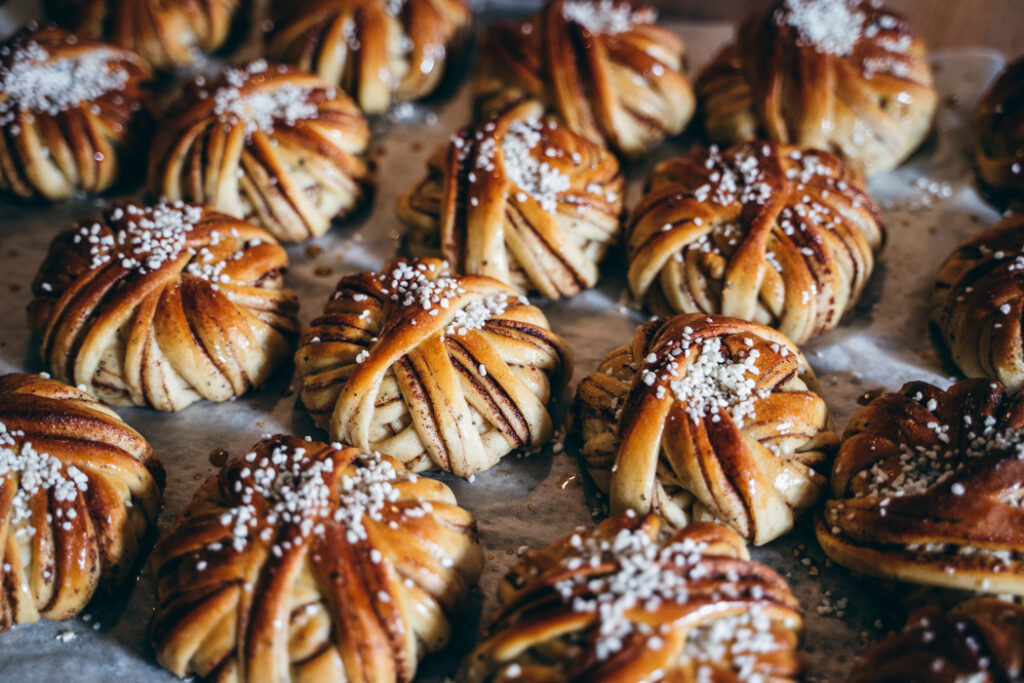
The most significant difference lies in the dough. Instead of a standard sweet yeast mixture, authentic Northern European buns are heavily infused with freshly crushed cardamom. This gives them a distinct, aromatic warmth, and is topped with chunky sugar crystals instead thick of creamy icing.
The appearance and texture are also entirely unique to Swedish café culture. Rather than being rolled into a simple, tight spiral, the dough is often intricately twisted, folded, or knotted into elegant shapes known as knutar.
Beyond Sweden: Fika Meets Hygge and Kos
While the word fika belongs strictly to Sweden, the cultural obsession with spiced pastries and hot drinks spans the entire region. Across the borders, Norway and Denmark have embraced their own versions of this ritual, seamlessly integrating it into their own famous philosophies of well-being.
In Norway, this daily pause is driven by kos, a concept that translates to a deep sense of cosiness, warmth, and simple pleasures. Here, locals recharge with a kanelsnurr (a beautifully twisted cinnamon bun) or a skoleboller (a custard-filled cardamom roll). Meanwhile, in Denmark, the art of hygge comes alive in the candlelit cafes of Copenhagen. The Danish kanelsnegl, or “cinnamon snail”, features a lighter, more laminated pastry dough that delivers a delicate crunch.
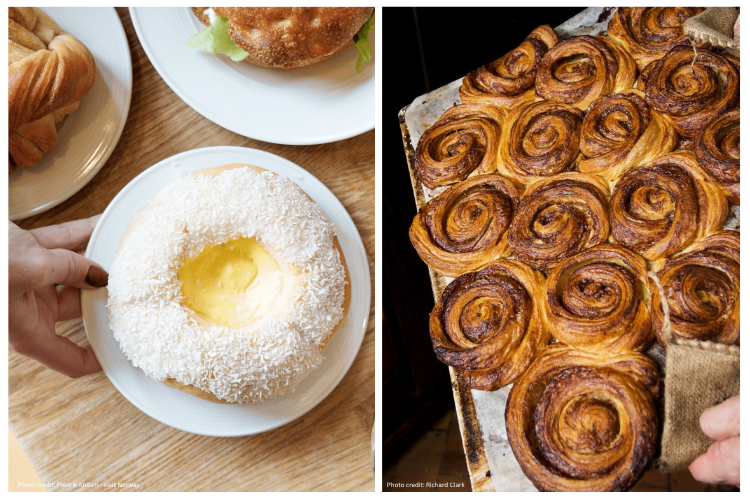
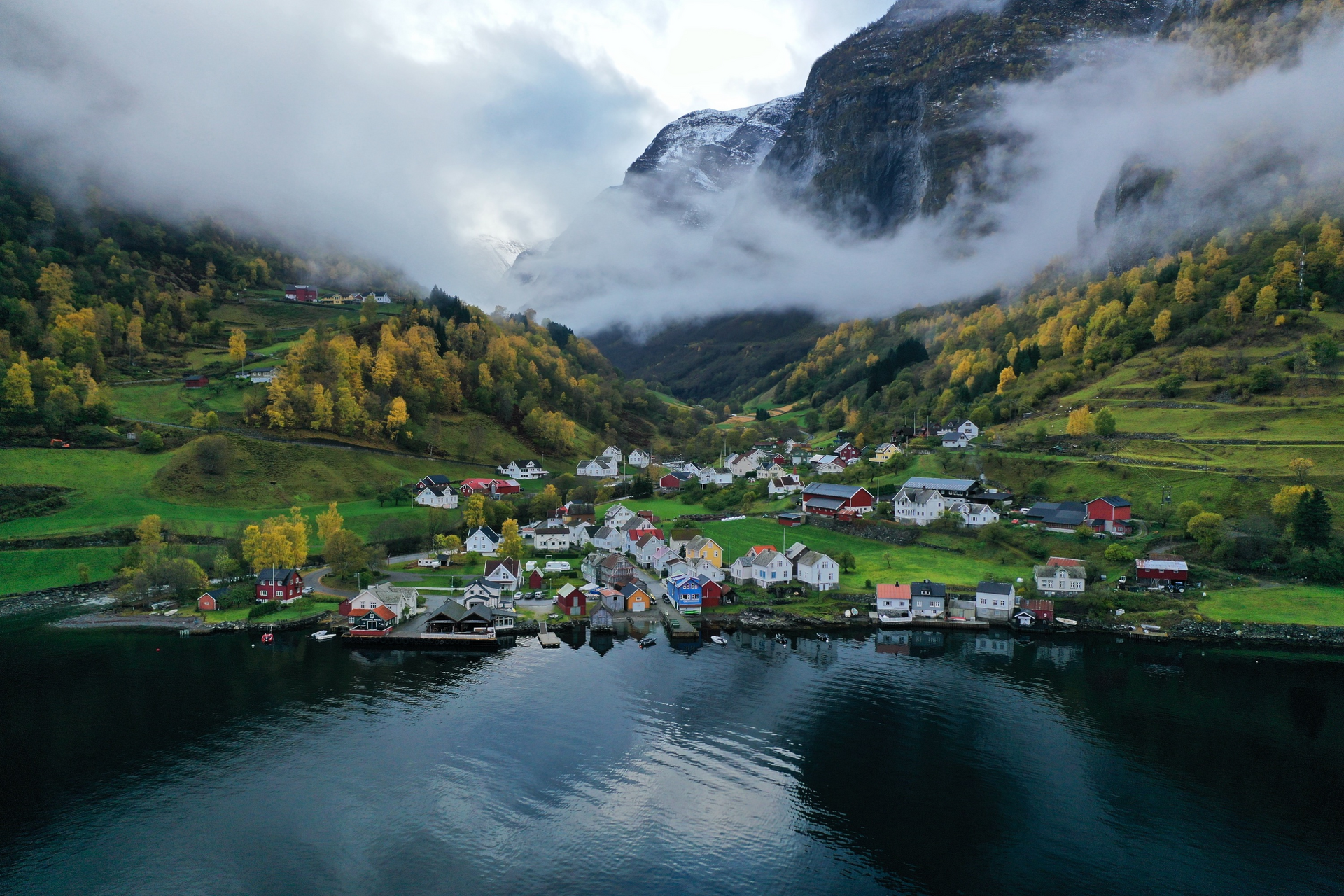
Ultimately, Nordic coffee culture runs through each of these nations. Whether you are enjoying a break in a bustling Swedish city, a cosy Danish bakery, or a remote Norwegian fjord village, the underlying sentiment is the same. It is an intentional moment to slow down, disconnect from the rush of daily life, and savour a high-quality treat.
Experience Swedish Fika and Cinnamon Buns Firsthand
You can read about the history and the recipes, but you cannot truly understand Northern Europe until you experience it for yourself. It is an experience that grounds you in the local way of life, turning a standard holiday into a collection of memorable moments.
Ready to experience the magic of an authentic Swedish fika and cinnamon buns for yourself? Explore our tailor-made holidays to Sweden and let us show you the tasty centre of Nordic culture.