Scandinavia’s Second Cities: Move Beyond the Capitals
When we think of Scandinavia, it’s often the capitals that come to mind first: Oslo, Copenhagen, Reykjavík, Helsinki. They’re creative, well-designed and consistently rated among the world’s most liveable cities. But look a little further afield and you’ll find something quietly distinctive about the Nordic countries. Their so-called “second cities” don’t feel second at all. Across Scandinavia, these regional hubs play a central role in daily life, offering travellers a compelling alternative to the capitals.
In countries such as Norway, Denmark, Iceland and Finland, wealth, infrastructure and opportunity are more evenly distributed than in many parts of the world. This has shaped a network of regional cities that function as genuine cultural, economic and social centres, not just satellites of the capital. For travellers, that balance has tangible benefits: high-quality experiences, strong transport links and a deeper connection to everyday local life in Scandinavia’s second cities.
A Different Urban Model
The Nordic social and economic model places a strong emphasis on regional development, which has shaped the strength and character of Scandinavia’s second cities. Public funding for transport, education, culture and healthcare is spread across the country, reflecting the fact that people live, work and build communities well beyond capital city boundaries.
This means that second cities typically enjoy:
- Well-funded cultural institutions and public spaces
- Modern transport infrastructure
- Strong local economies that are not dependent solely on tourism
For visitors, this creates a sense of consistency. Whether you’re in a capital or a regional hub, the quality of accommodation, dining, public transport and urban design tends to remain impressively high. The difference is not in standards, but in pace, scale and atmosphere.
Bergen: Gateway to the Fjords
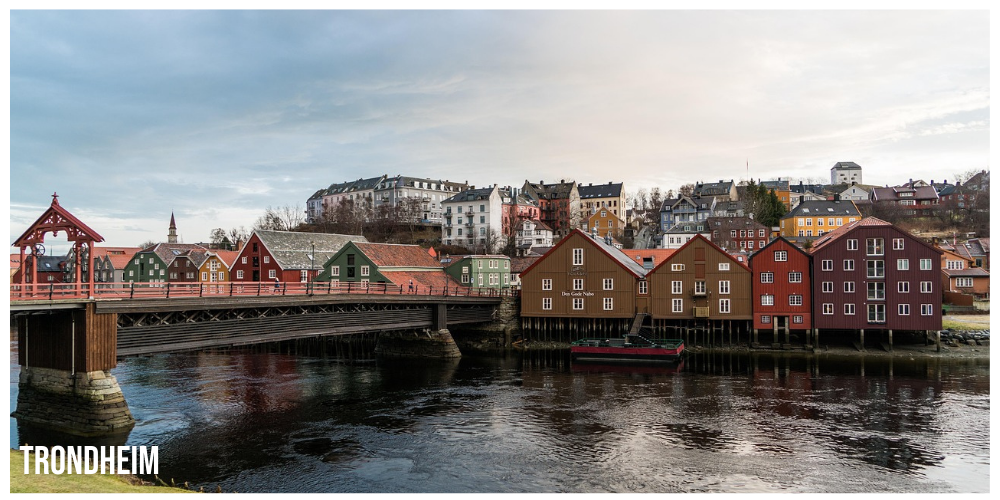
In Norway, the idea of a single “second city” is almost redundant. Bergen, Trondheim and Tromsø all play significant regional roles, but Bergen stands out as a natural starting point for travellers.
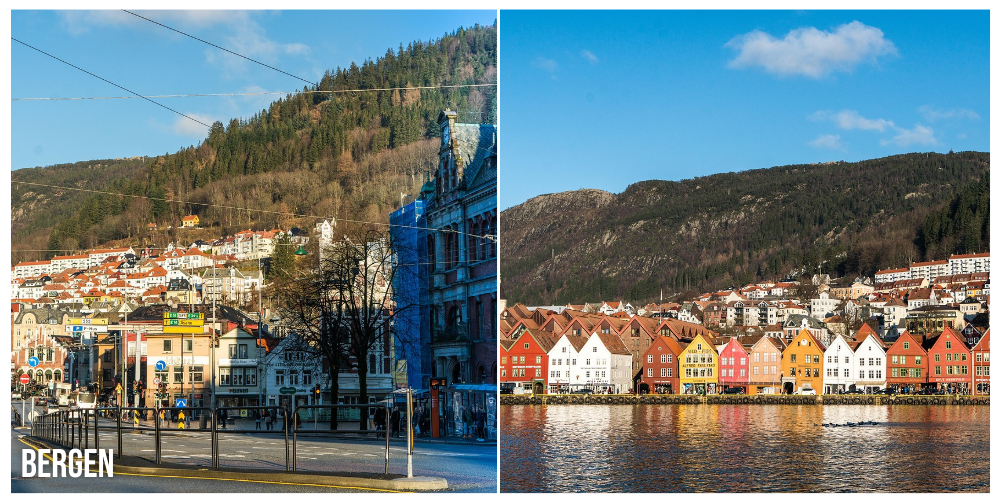
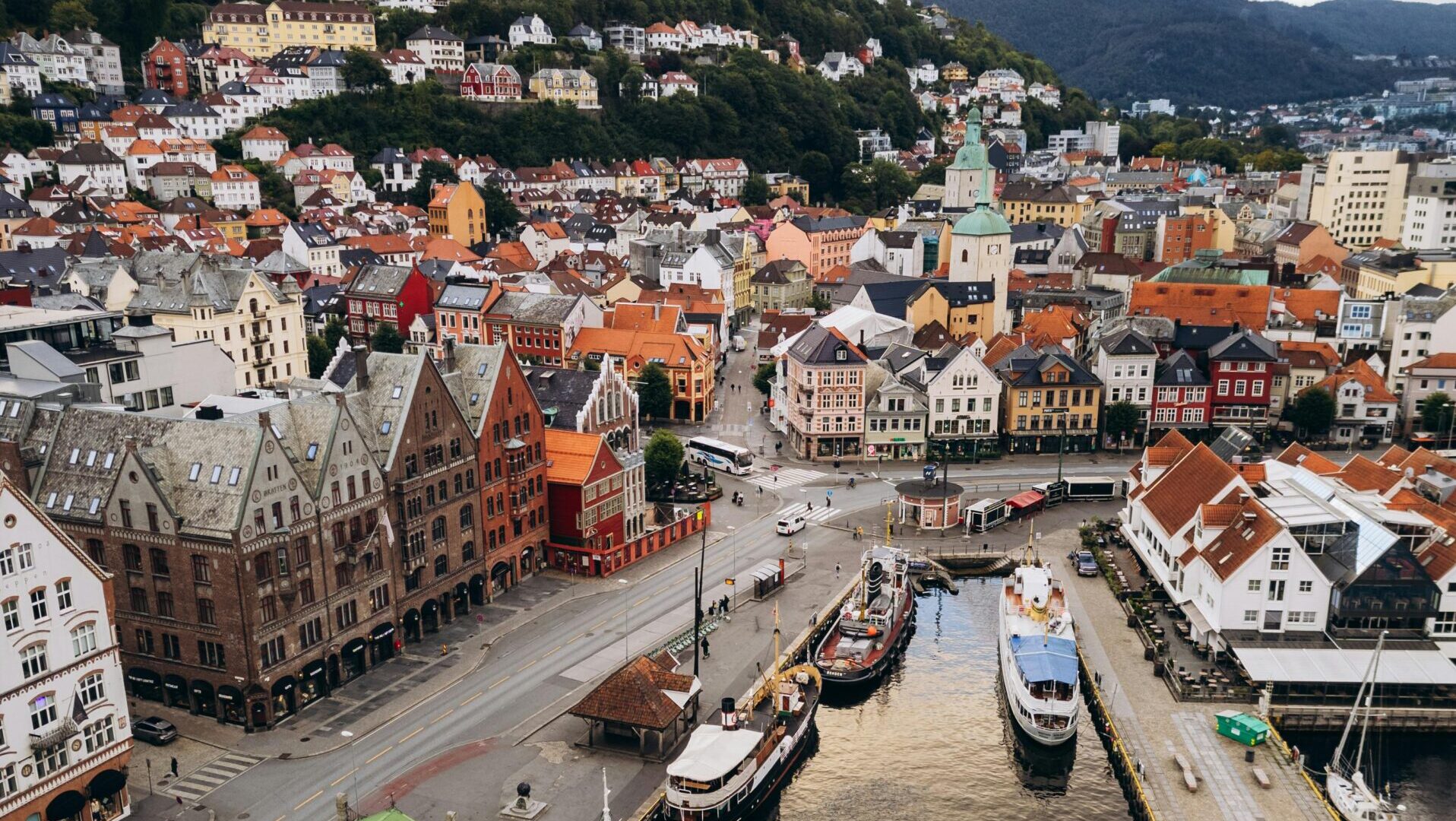
Once Norway’s capital and still its historic gateway to the west, Bergen is a city shaped by trade, seafaring and culture. Its UNESCO-listed Bryggen waterfront, thriving food scene and strong music and arts institutions reflect long-term investment, not short-term tourism trends. Crucially, Bergen also serves as a launchpad for fjord exploration, with excellent rail, ferry and road connections into some of Norway’s most dramatic landscapes.
Despite its international profile, Bergen feels grounded and lived-in. A place where tourism complements daily life rather than overwhelming it. Compare Norway’s cities for yourself with our multi-centre trip – Signature Cities: Copenhagen, Oslo and Bergen.
Aarhus: Denmark’s Cultural Counterweight
Aarhus, Denmark’s second-largest city, exemplifies how regional cities benefit from national investment. Home to a major university, cutting-edge architecture and a youthful creative energy, it consistently punches above its weight culturally.
Museums such as ARoS and Moesgaard rival those found in much larger cities. The revitalised waterfront and compact city centre make Aarhus easy to explore on foot or by bike. For visitors, it offers many of Copenhagen’s design-led pleasures, excellent food and thoughtful urban planning. It has a strong café culture, but with fewer crowds that you would like in the capital.
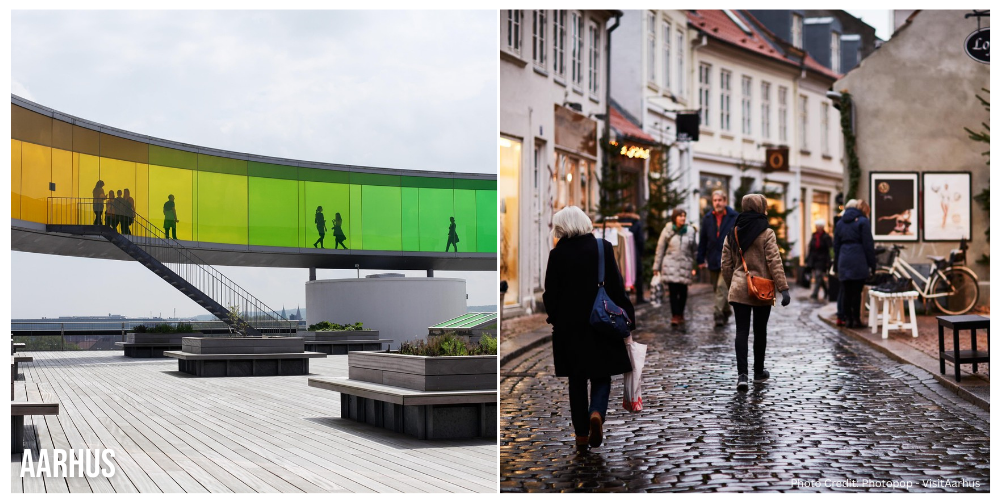
Located on the Jutland peninsula, Aarhus is an ideal base for exploring Denmark beyond the capital, reinforcing its role as a genuine regional hub rather than a secondary destination. Explore our 5 Day Danish City Escape in Aarhus to find out whatelse Denmark has to offer.
Akureyri: Iceland Beyond Reykjavík
In Iceland, where a large proportion of the population lives in and around Reykjavík, Akureyri plays a different but no less important role. Often described as the “capital of the north”, this small but dynamic town anchors life in northern Iceland.
Akureyri benefits from strong public services, a university presence and excellent domestic flight connections. These factors make far more than a scenic stopover. For travellers, it offers access to whale watching, volcanic landscapes and remote highland regions, while maintaining a vibrant local culture shaped by residents rather than visitors alone.
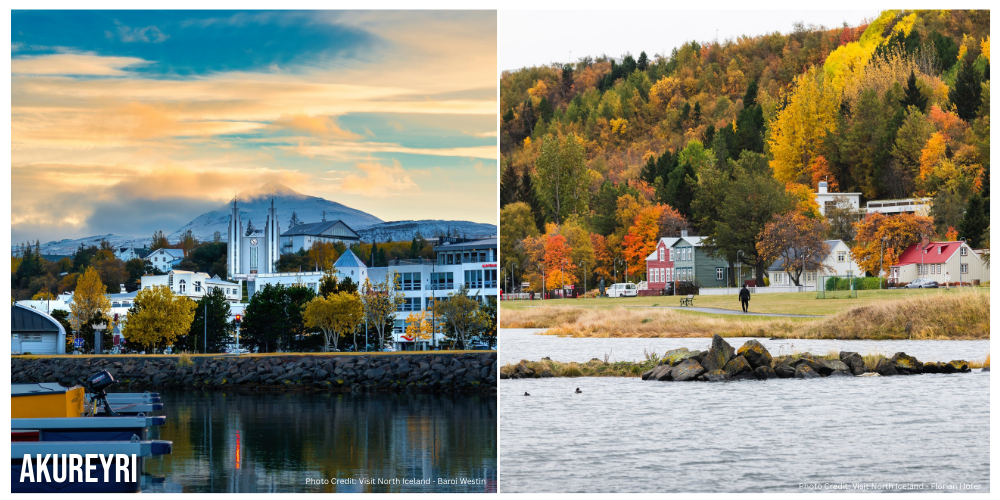
Here, the advantages of evenly distributed infrastructure are clear: reliable transport, good accommodation and a sense of place that feels authentic rather than preformative. Our team travelled to Akureyri in March 2025 – read all about it here.
Tampere: Finland’s Industrial Heart Turned Creative Hub
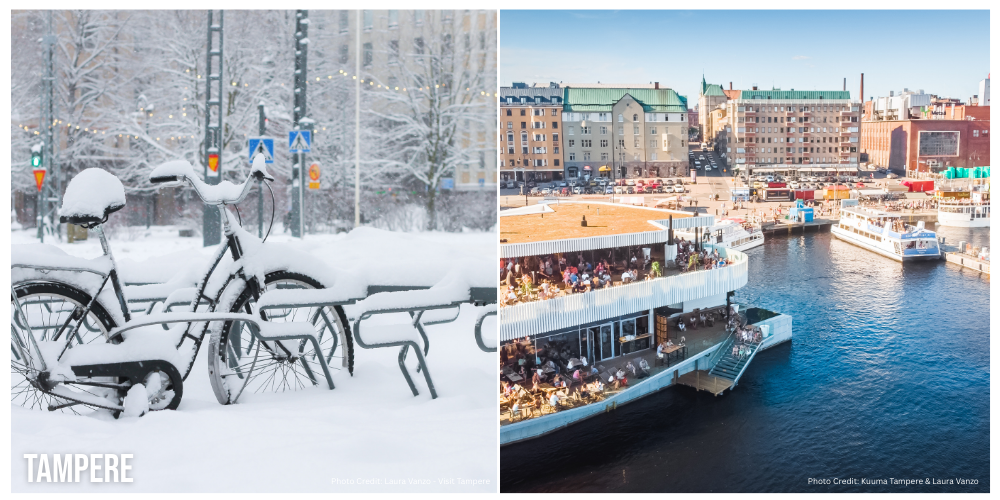
Finland’s second city, Tampere, offers a slightly different story, one of reinvention. Once a centre of heavy industry, it has evolved into a lively cultural and innovation hub between two lakes.
Today, Tampere is known for its museums, sauna culture, theatres and growing food scene. Efficient rail links connect it quickly to Helsinki, but the city has a strong identity of its own, rooted in regional pride and investment. For visitors, Tampere offers insight into contemporary Finnish life, away from the capital’s diplomatic and design-focused lens.
A Shift in How People Want to Travel Scandinavia
In recent years, we’ve seen a noticeable shift in how travellers approach Scandinavia. Many are still drawn to the capitals, but just as many are now actively looking beyond them, with Scandinavia’s second cities answering that demand. Clients are increasingly asking for trips that feel less obvious, less crowded and more connected to local life, and Scandinavia’s second cities are a natural fit.
Cities like Bergen, Aarhus, Akureyri and Tampere offer the same high standards of design, culture and infrastructure as the capitals, but with more breathing space. They allow travellers to experience Scandinavia at a gentler pace. Whether that’s exploring fjords from Bergen, combining culture and coastline in Aarhus, discovering northern Iceland via Akureyri, or enjoying lake life and sauna culture in Tampere.
These cities also make it easier to travel well outside the traditional summer peak. Because they function as year-round places to live and work. not just seasonal tourist hubs, they lend themselves perfectly to spring, autumn and winter travel. This means quieter streets, better availability, and experiences. These lend to a more authentic to the season, from winter light and snow to autumn colours and cultural events.
At Magnetic North Travel, we specialise in helping clients design journeys that move beyond the obvious. Combining capitals with regional cities, or building entire itineraries around Scandinavia’s second city centres. Whether you’re hoping to avoid crowds, travel at a different time of year, or simply experience a different side of the Nordic countries, we can help shape a trip that reflects how you want to travel.