Luxury Honeymoon Destinations in the Nordics, Arctic and Canada
Choosing where to celebrate the start of married life is one of the most exciting parts of wedding…
Read more
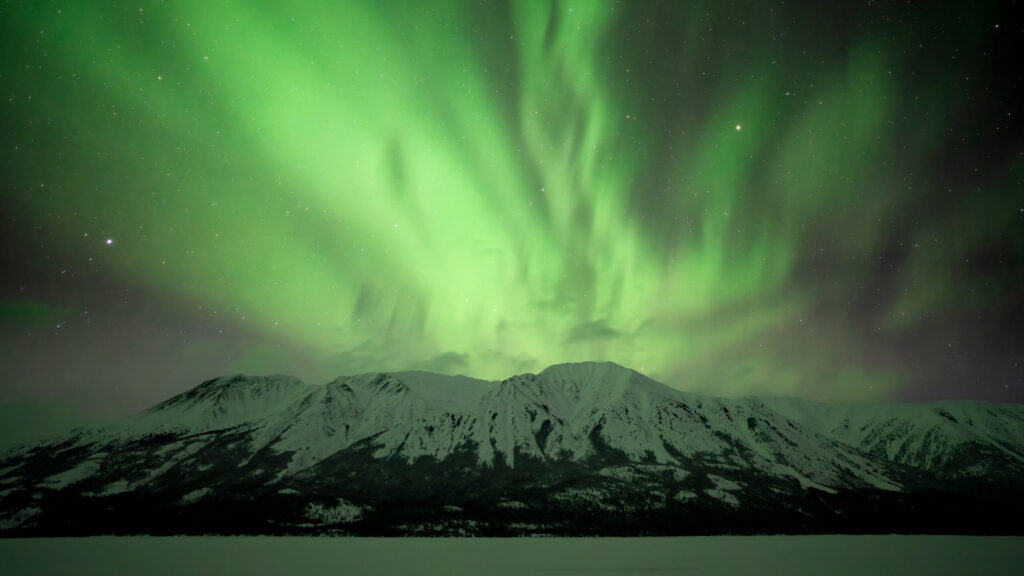
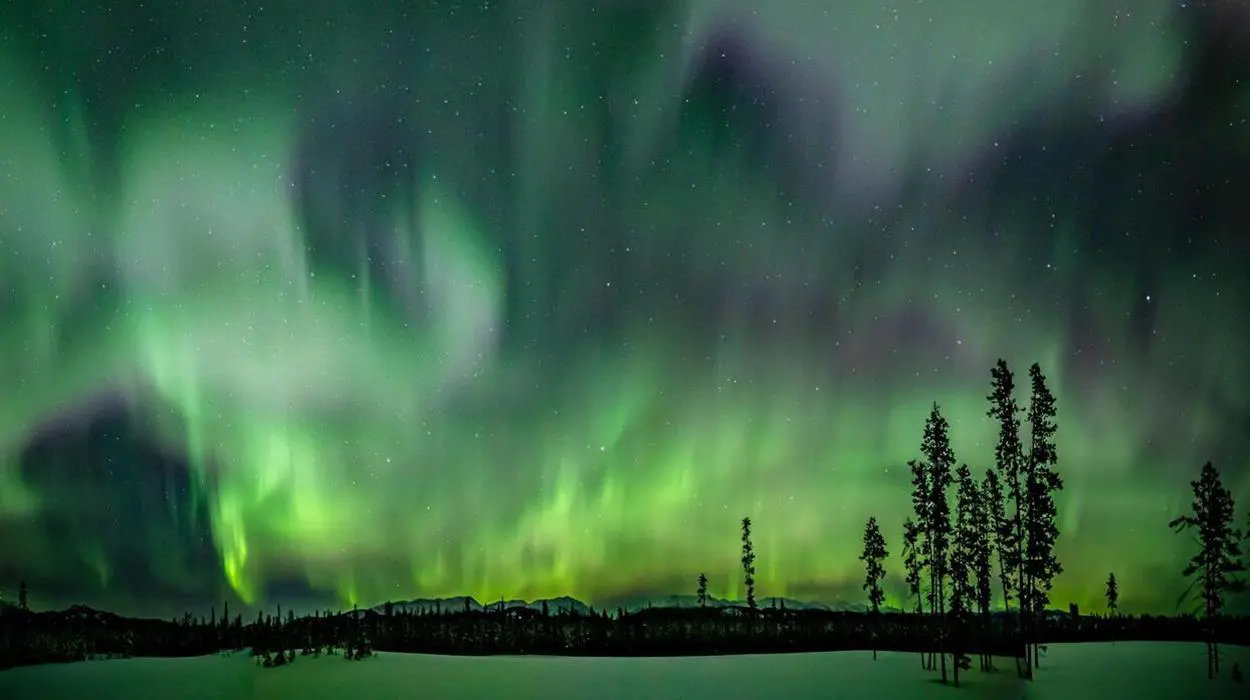
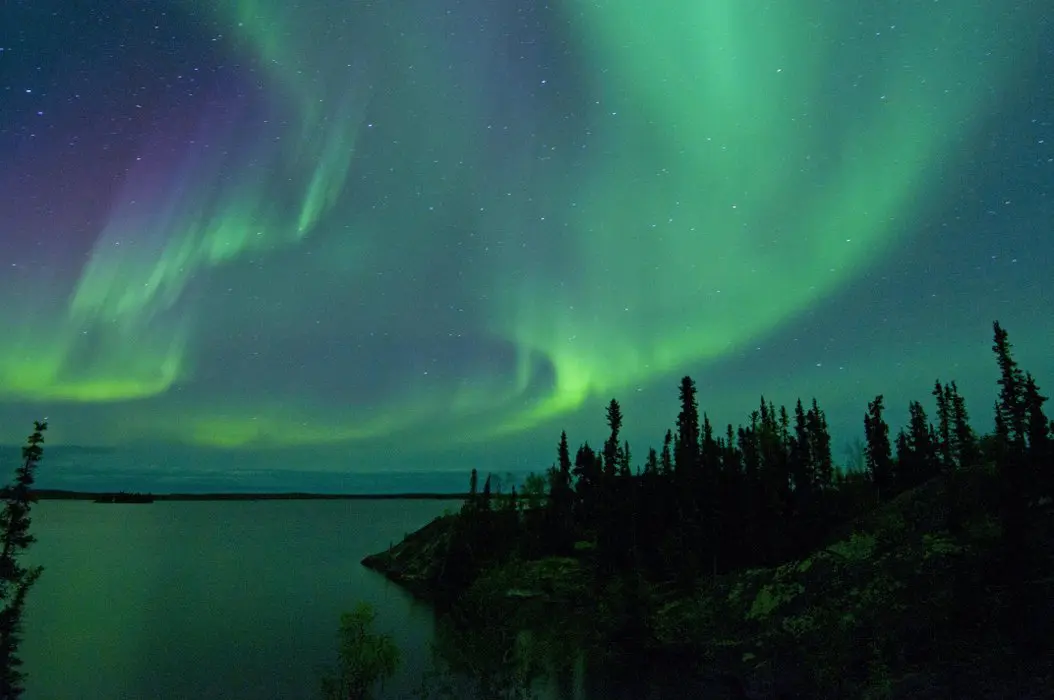
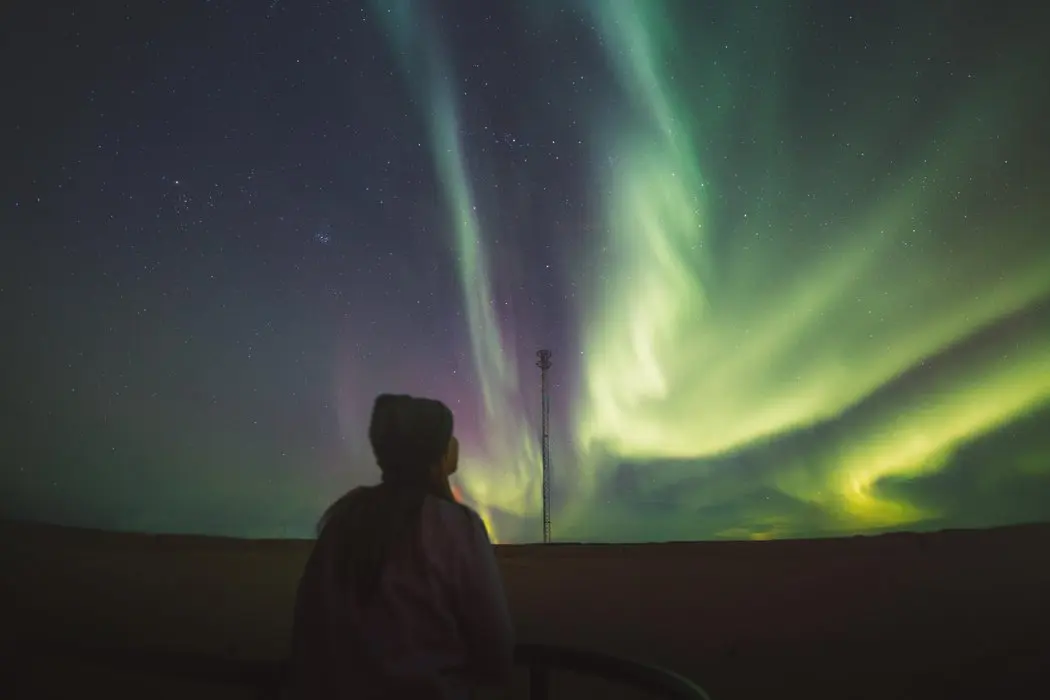
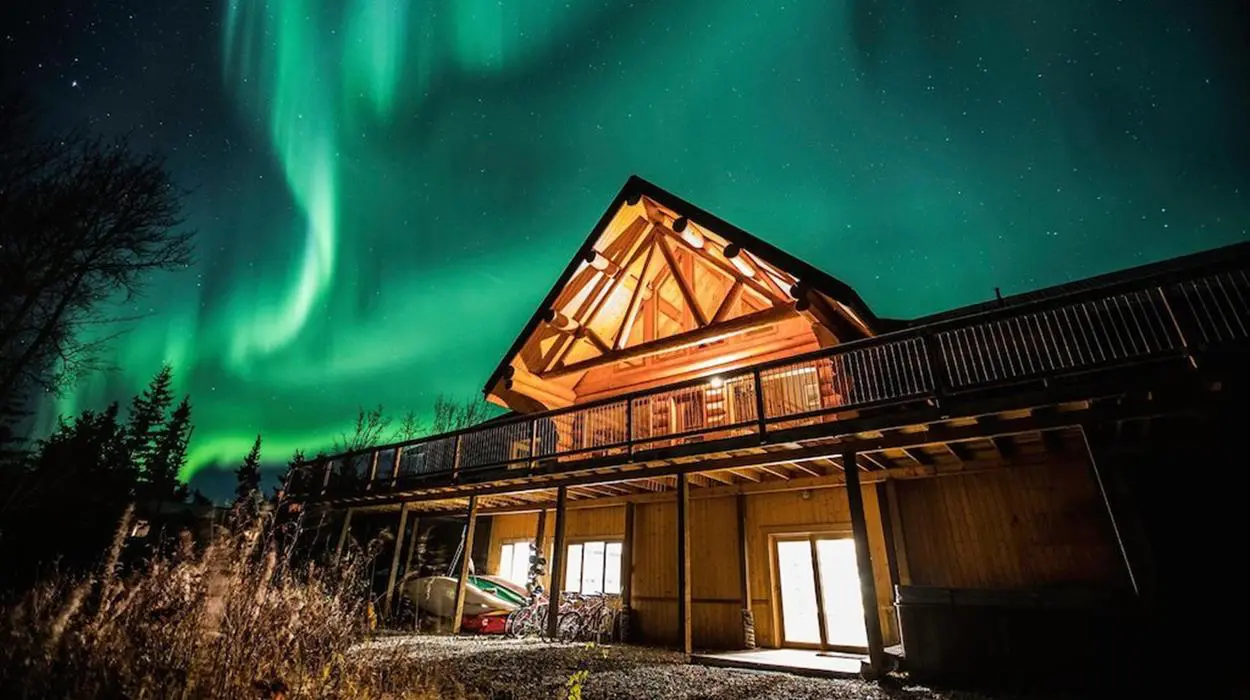
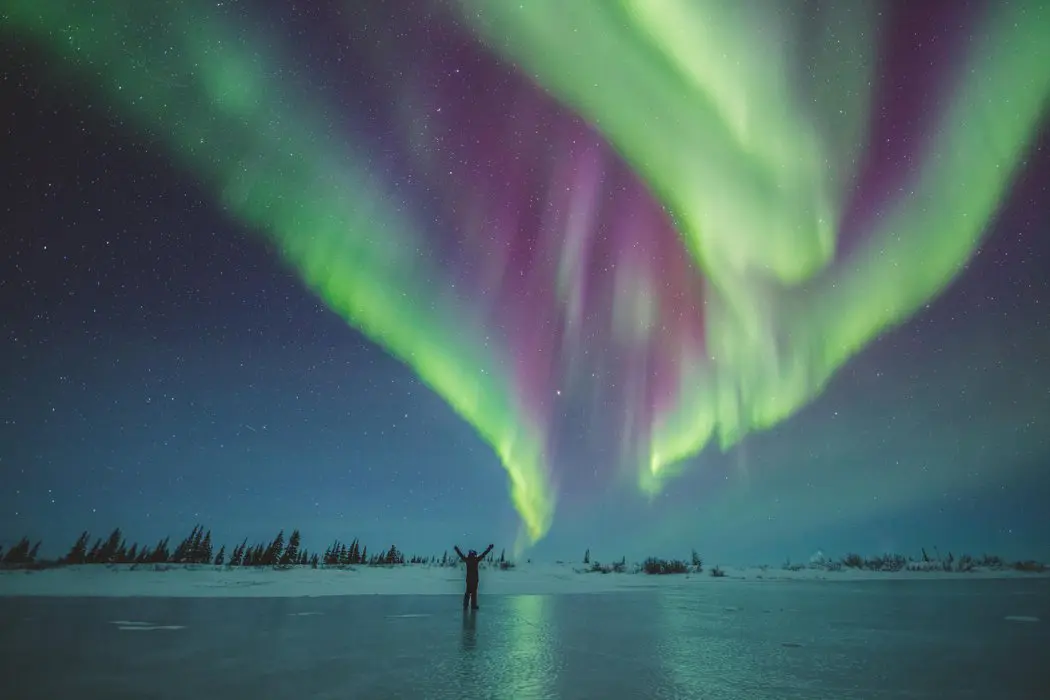
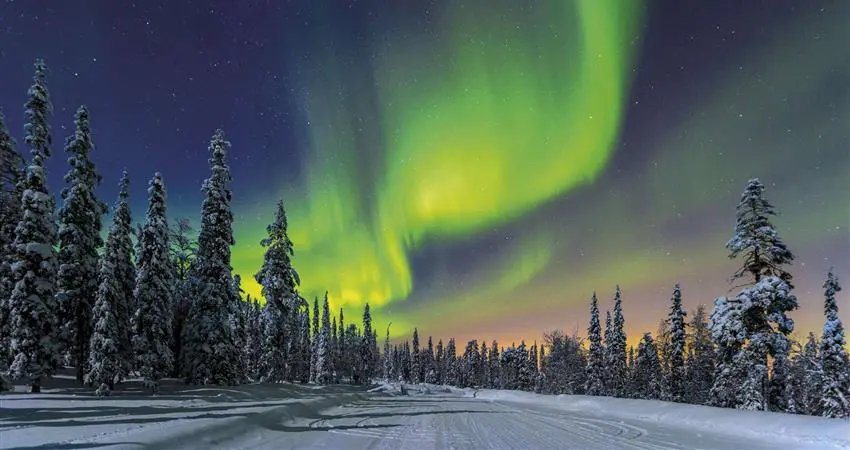
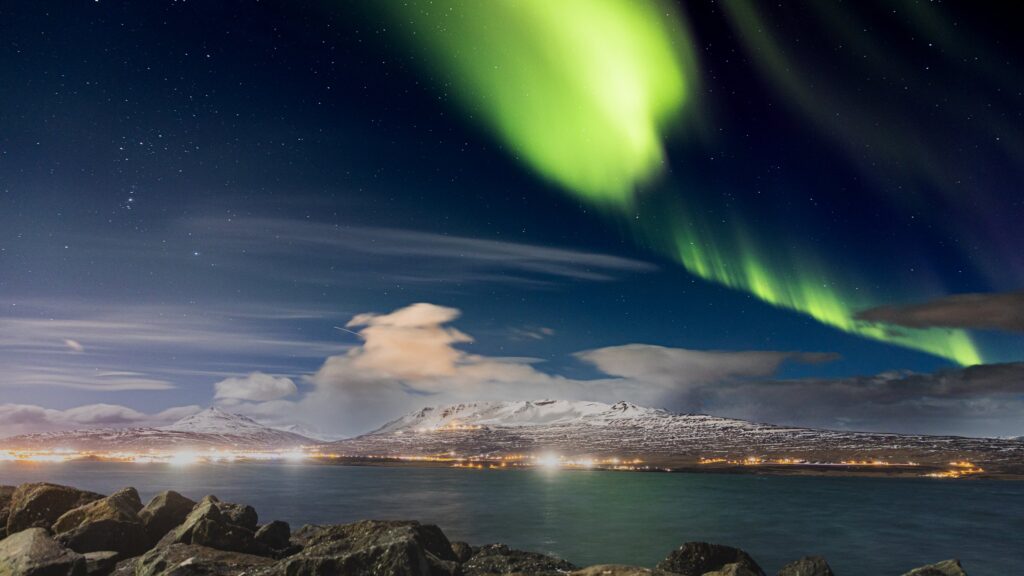
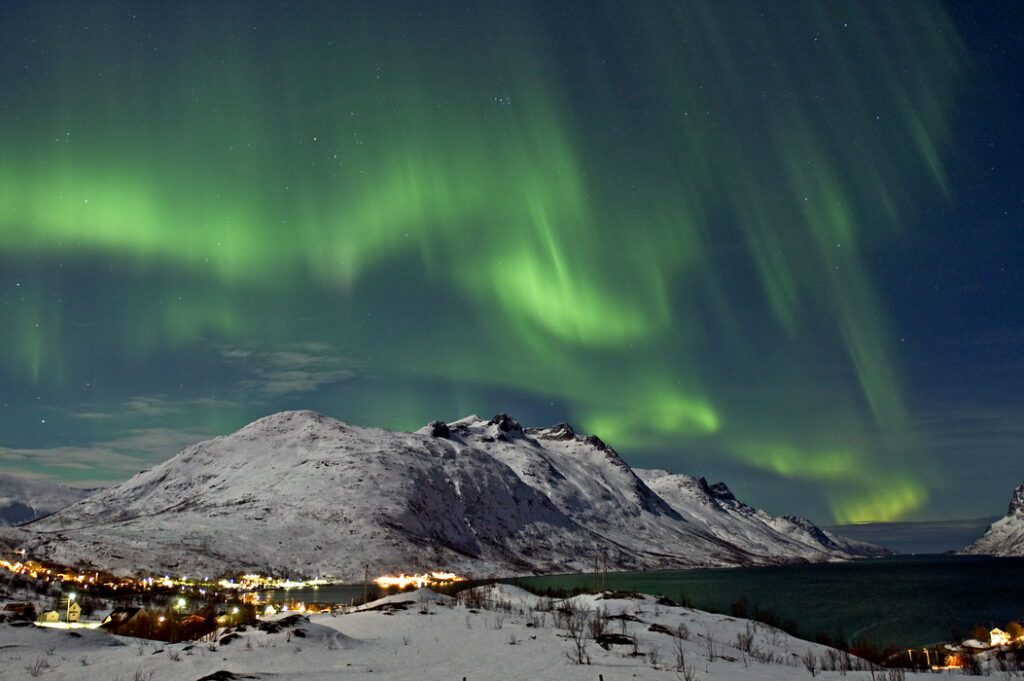
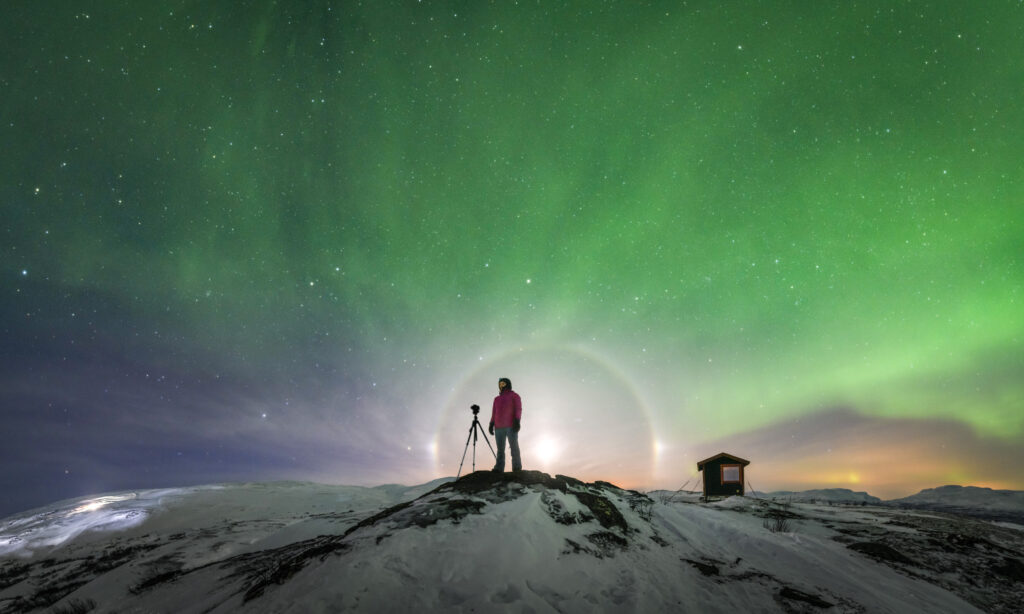
The Northern Lights, or Aurora Borealis, occur when charged solar particles, travelling up to 72 million kilometres per hour, interact with Earth’s magnetic field and collide with oxygen and nitrogen atoms high above the surface. These collisions create colour: green at lower altitudes, red higher up, with shape and intensity shaped by solar wind and geomagnetic conditions.
Much of northern Canada lies beneath the auroral oval, where activity is strongest and most frequent, meaning sightings do not rely on rare storms. Between late August and March, displays can appear several times a week.
Our team tracks solar forecasts and weather daily, building flexibility into each evening to maximise your chances under clear, dark skies.
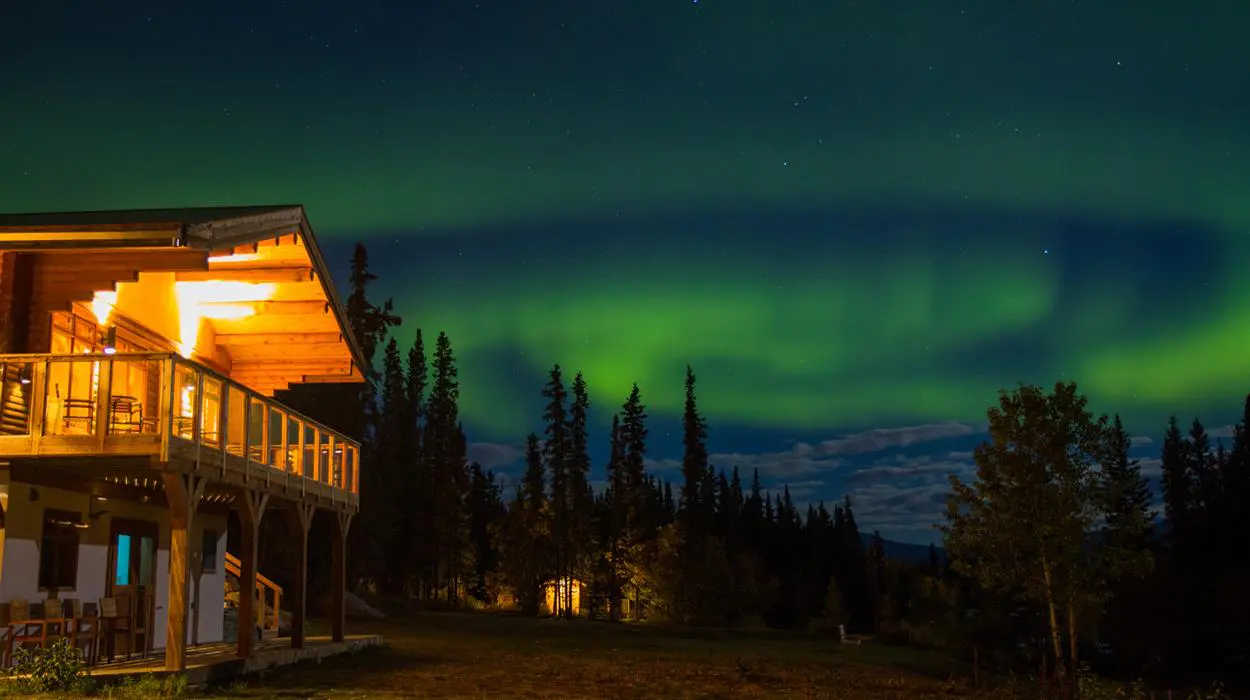
These suggested itineraries can be tailored to you. Ask us to add activities, change pacing, or upgrade lodges.
view all tours
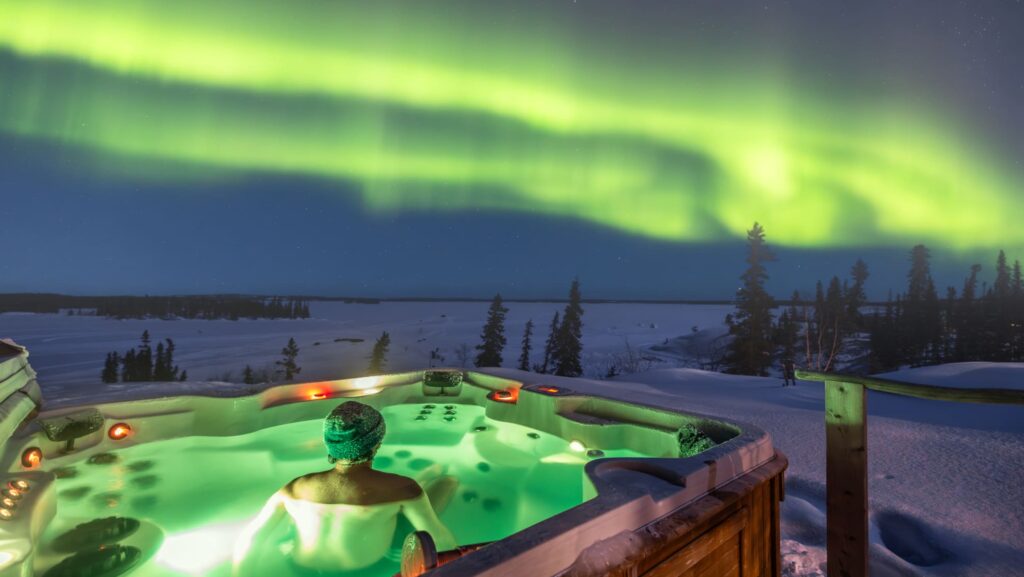
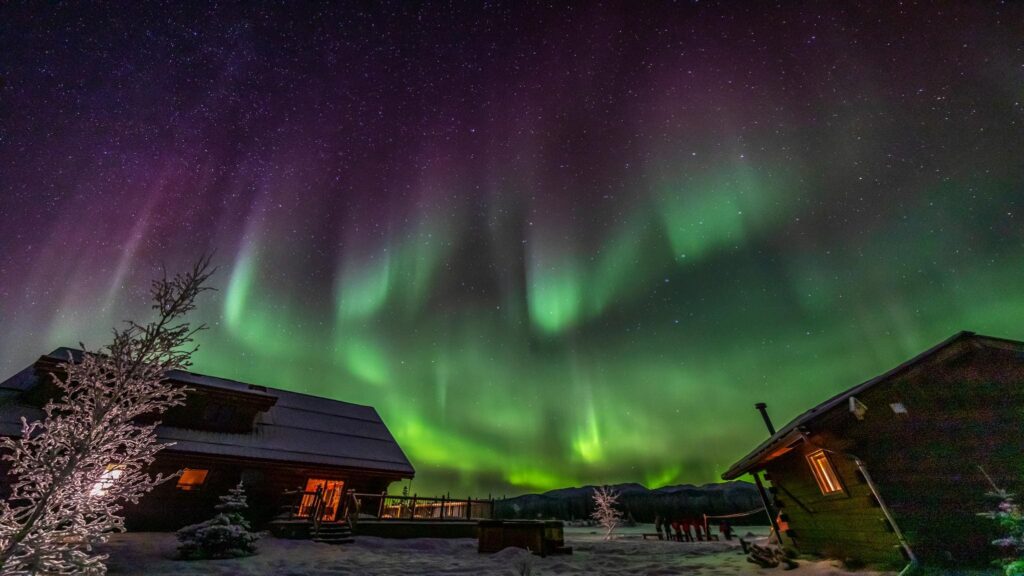
The Northern Lights season in Canada runs from late August to late March, with peak reliability from November to February when nights are longest.
In mid-winter, northern communities experience up to 18 hours of darkness. More darkness means longer viewing windows. Prime hours typically fall between 9pm and 2am, though strong activity can appear earlier.
We recommend a minimum of three nights for a successful Northern Lights Canada holiday, increasing the probability of clear skies and geomagnetic activity aligning. For more detailed planning advice, read our guide to seeing the Northern Lights in Canada.
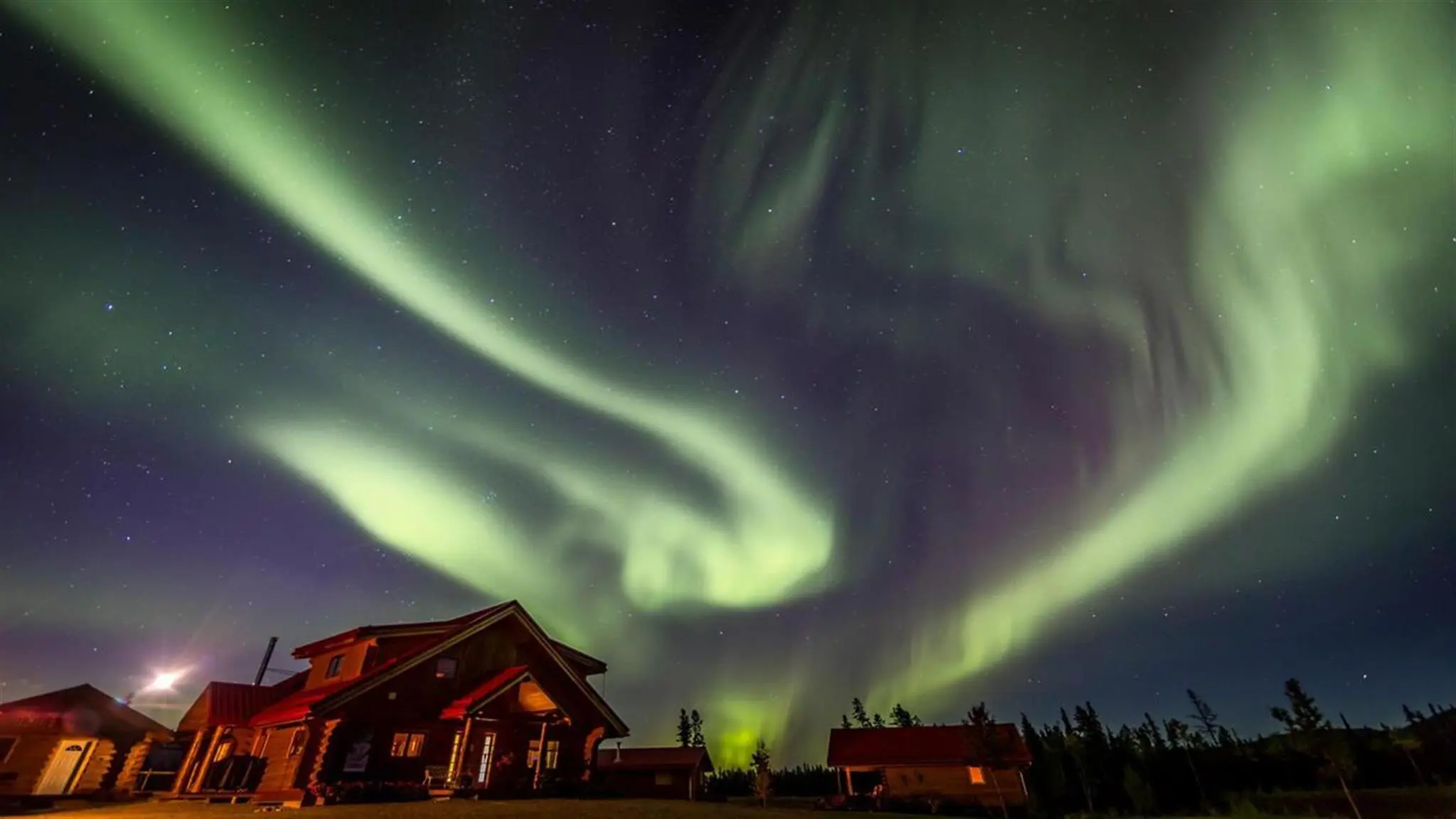
Around Yellowknife, accommodation is deliberately located outside the town’s light halo, where frozen lakes and open terrain provide uninterrupted sky exposure. The region’s inland climate also tends to produce clearer winter skies than coastal locations.
In the Yukon, stays near Whitehorse combine accessibility with strong Northern Lights statistics. Clear continental air, wide valleys and minimal urban lighting create the perfect viewing conditions.
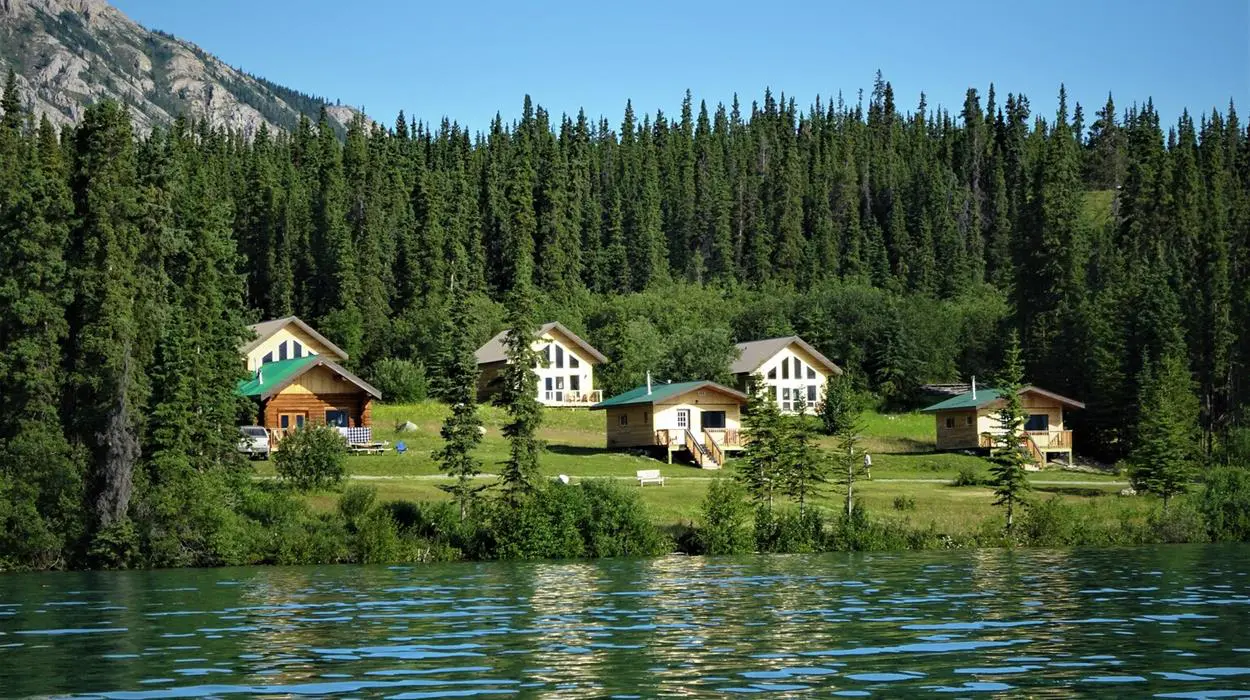
For travellers seeking comfort alongside isolation, private lakefront cabins and wilderness lodges offer warmth after evenings spent in −25°C air. These are peaceful refuges from the elements, not just places to sleep, adding to the Northern Lights experience.
The most statistically reliable regions include:
Each location offers different terrain. Boreal forest. Frozen lakes. Open tundra. But all share the same geographical advantage: direct alignment with the auroral belt.
On our aurora borealis holidays in Canada, we select locations based on statistical reliability rather than just popularity.
In British Columbia, pair your journey with time in Vancouver, framed by ocean and mountains. A 48-hour sightseeing pass allows flexible exploration before heading north.
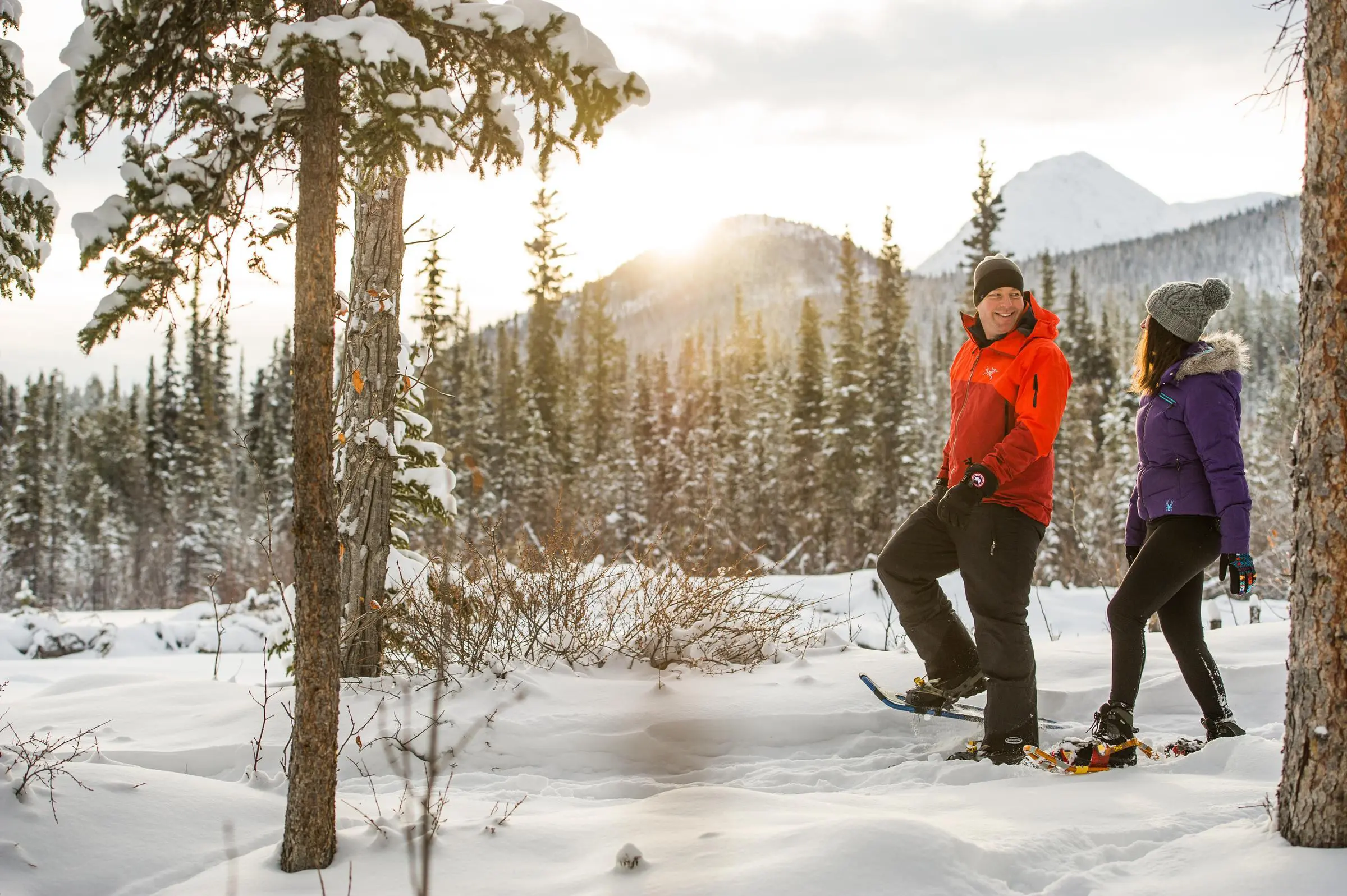
In the Yukon, autumn landscapes turn golden before winter sets in. Optional activities include snowshoeing, ice fishing, guided ATV exploration and wildlife tracking. In winter, frozen rivers and snow-dusted forests create quiet, expansive terrain ideal for photography. Canada’s size makes it one of the few countries where you can move from coastal cityscapes to remote subarctic wilderness within a single itinerary.

Deep, first-hand knowledge of Scandinavia, the Baltic countries and Canada shapes every journey we create. We know the regions, the seasons and the experiences that truly make a trip exceptional.

From your first conversation to your return home, you’ll work with one dedicated specialist and our operations team who understand your pace, your priorities and your appetite for adventure.

Privately designed or carefully curated, every itinerary balances comfort with exploration, pairing exceptional places to stay with experiences that immerse you in the wild beauty of the North.

With over 15 years of expertise, trusted local partners and financial protection, you’re free to focus on the experience, we take care of everything else supported by our bespoke travel app and 24/7 human support.
Not every night. The Northern Lights depend on solar activity, clear skies and low light pollution. However, in regions such as the Northwest Territories, visibility is reported on around 240 nights per year in prime areas, making Canada one of the most reliable destinations in the world. For a clearer idea of what affects your chances, read our guide to the best time and places to see the Northern Lights in Canada.
In many of our wilderness lodges and cabins, yes. We prioritise remote locations with minimal light pollution, allowing spontaneous viewing when activity increases.
We recommend three nights minimum. Longer stays increase the likelihood of clear conditions aligning with solar activity.
The main season runs from late August to late March. Winter provides the longest viewing windows, though autumn and early spring can also deliver strong displays.
Winter temperatures vary significantly. Southern cities may range between −5°C and −15°C. In the Prairies, averages often fall between −15°C and −20°C. Northern regions frequently experience −30°C or lower. We provide detailed preparation guidance and work with experienced local partners to ensure safety and comfort throughout.
Choosing where to celebrate the start of married life is one of the most exciting parts of wedding…
Read more
So, you've booked a trip to Newfoundland! You're dreaming of dramatic coastal scenery, towering icebergs, breaching whales, colourful…
Read more
In May 2026, our Travel Consultant Yasmin set off on her biggest adventure yet, along with her loyal…
Read more