Where to Meet Santa in Lapland: Secluded Lodges & Authentic Experiences
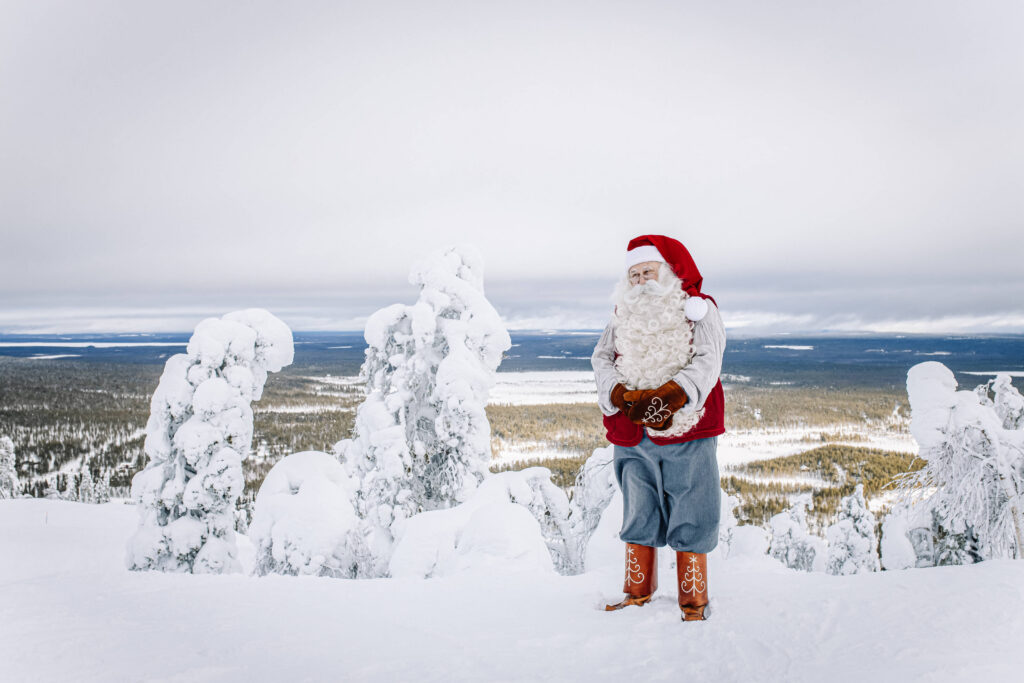
Christmas through the eyes of a child can’t really be beaten. That’s why taking your young family to…
Read more
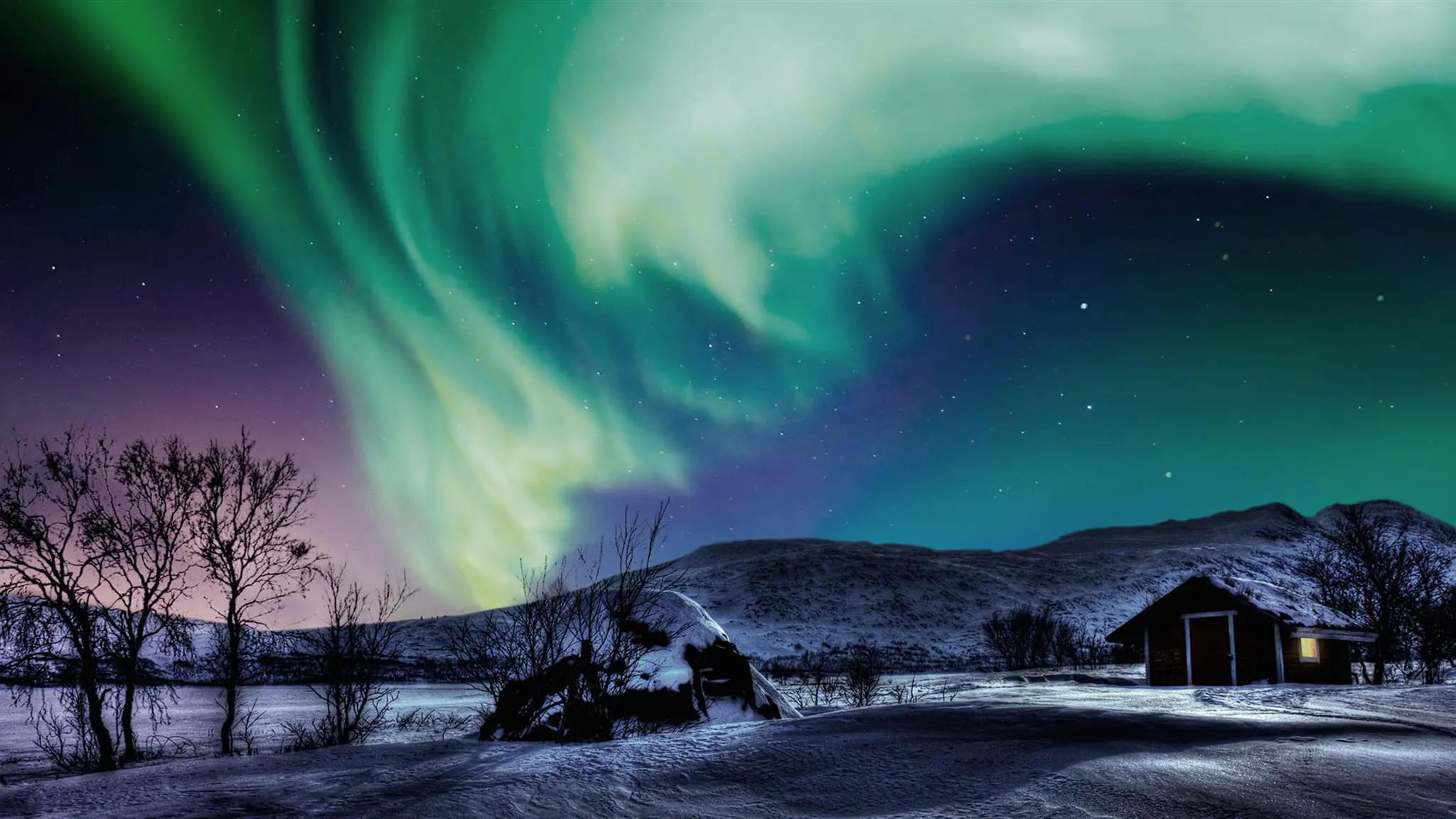
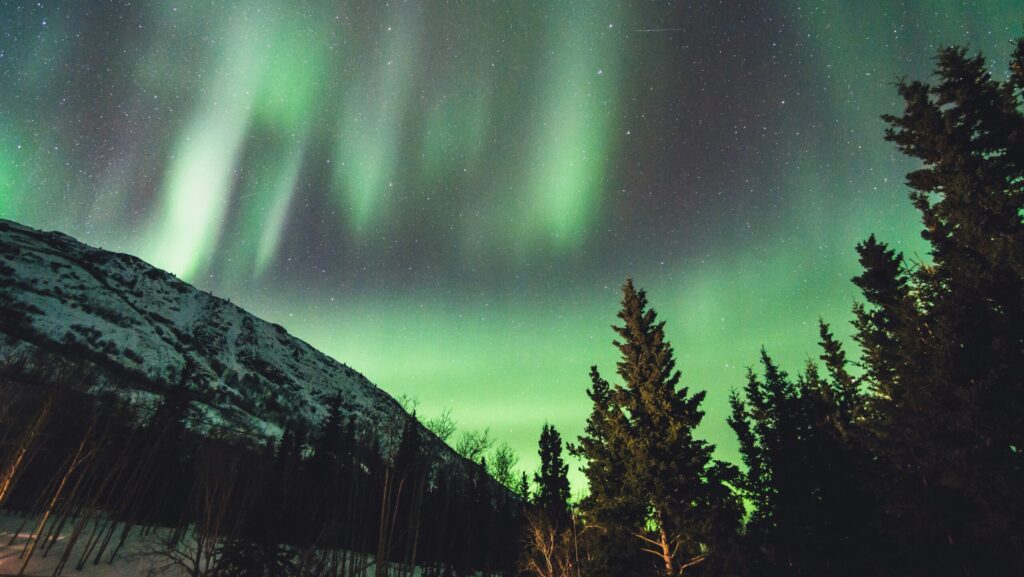
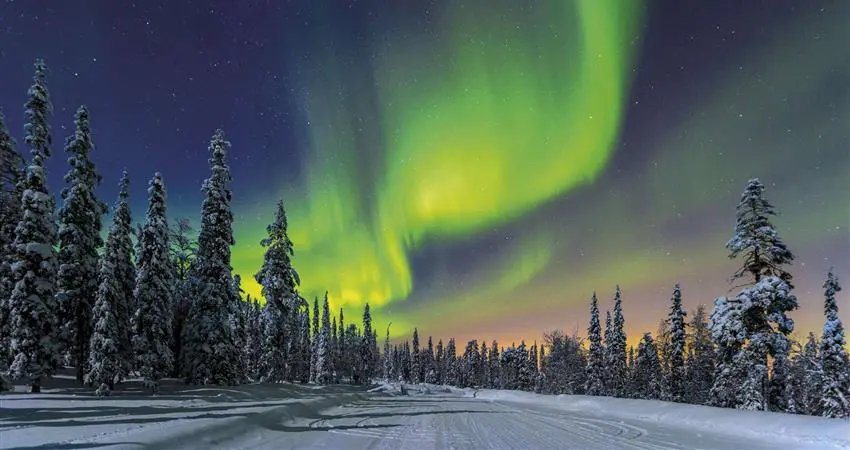
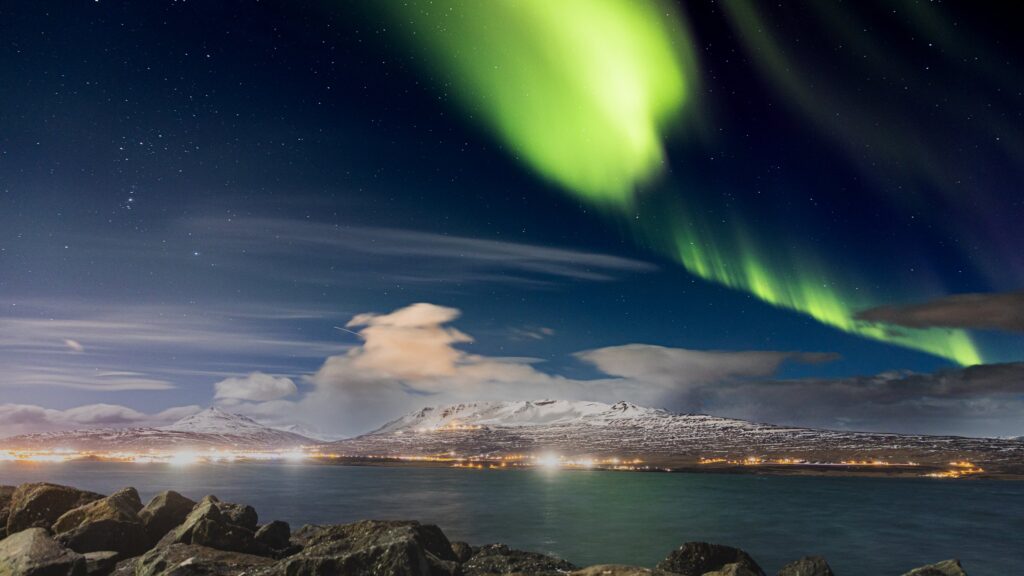
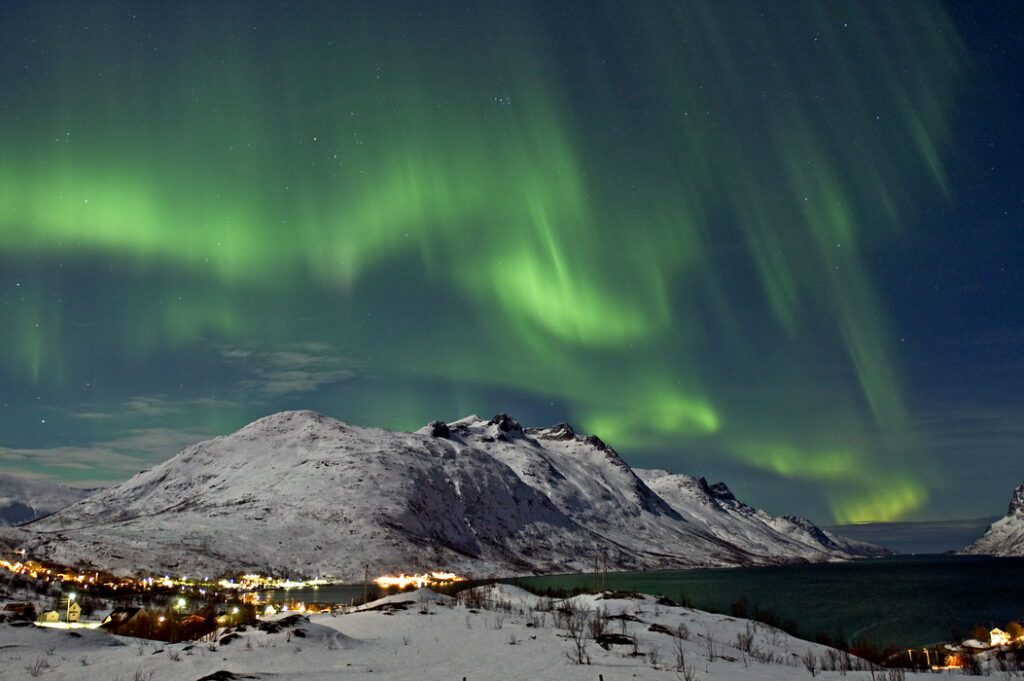
The Northern Lights, or Aurora Borealis appear when charged solar particles collide with gases in Earth’s atmosphere, releasing energy as rhythmic ribbons of green, violet and sometimes pink light. For travellers seeking unforgettable Sweden Northern Lights experiences, location is important. The most reliable displays occur between 65 and 72 degrees north, along the Aurora Oval above the Arctic Circle, and Swedish Lapland sits directly beneath it, making it one of the world’s best viewing regions.
Abisko National Park is widely considered Sweden’s top spot, thanks to its unique “blue hole” microclimate, which reduces cloud cover and boosts clear-sky nights from late September to early March. With expert planning behind every detail, your trip becomes a perfectly timed Arctic adventure.
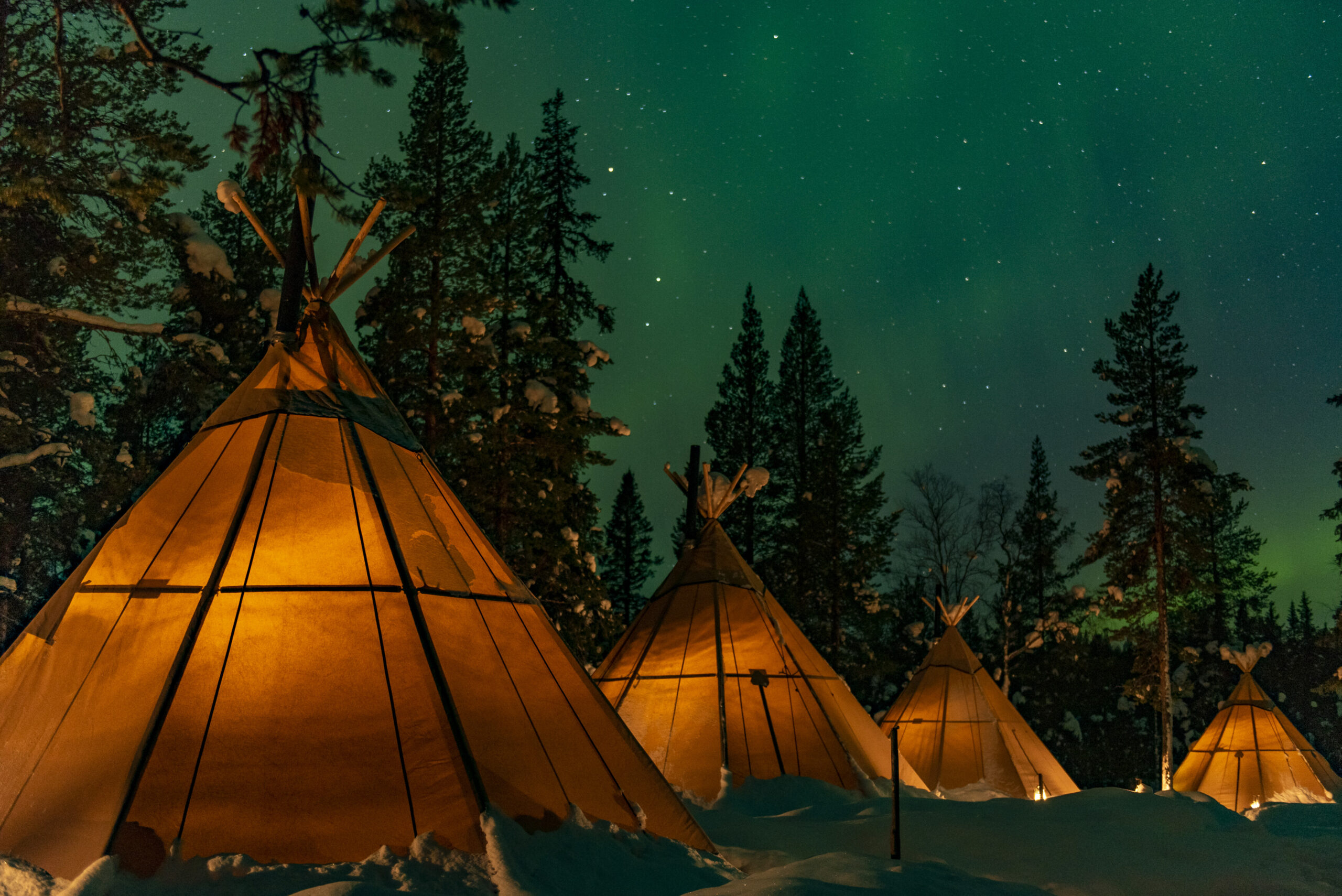
These suggested itineraries can be tailored to you. Ask us to add activities, change pacing, or upgrade lodges.
view all tours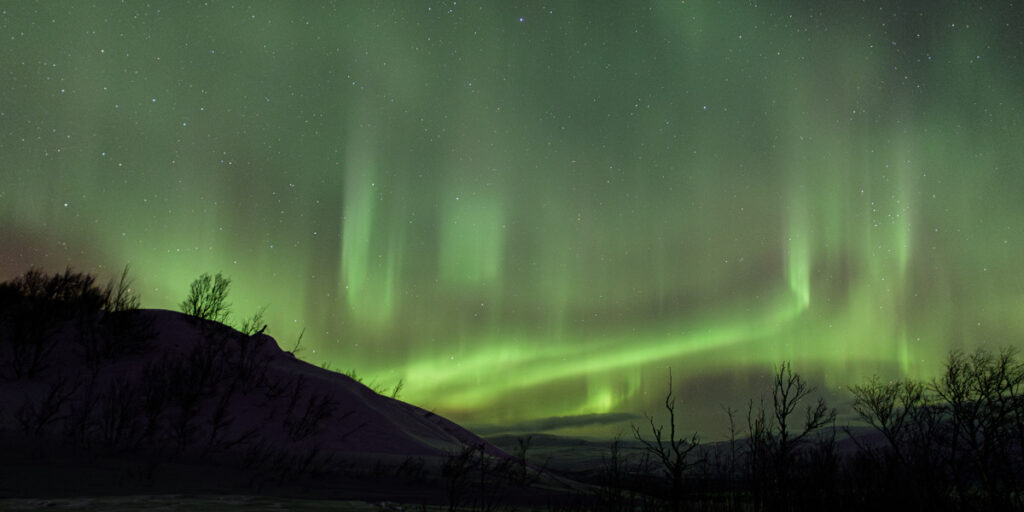
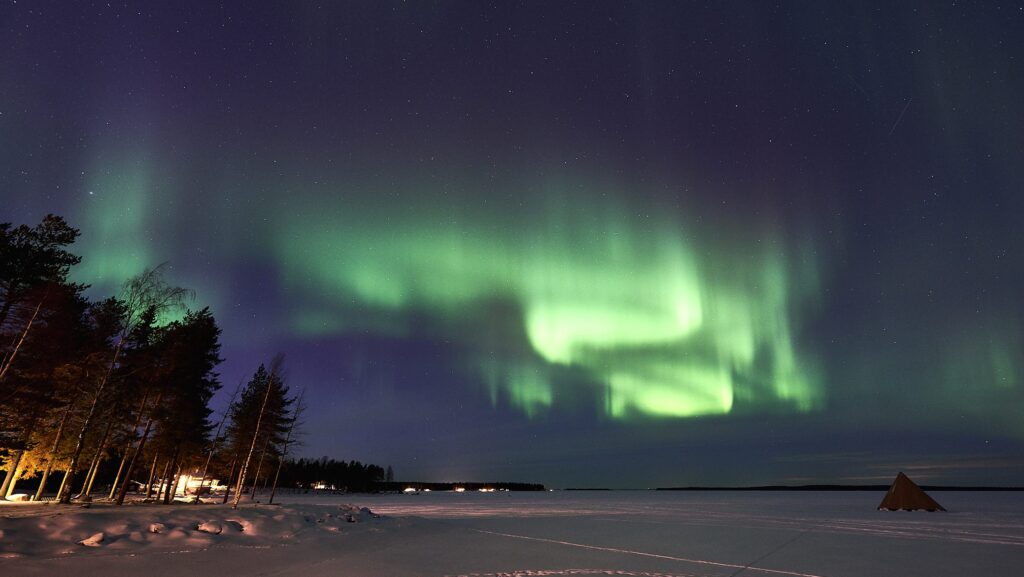
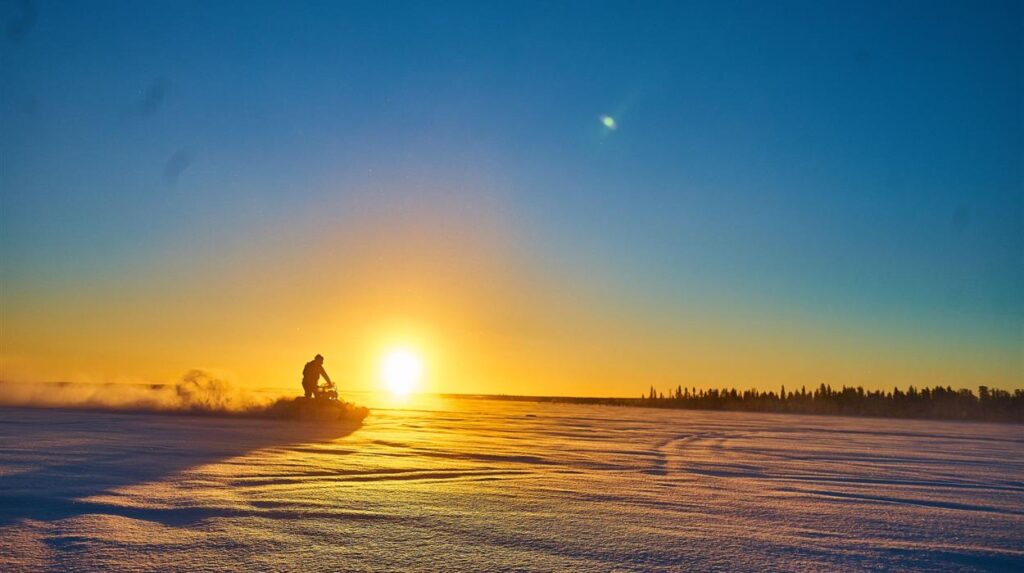
It is possible to see the Northern Lights between August and April. However, for Northern Lights holidays in Sweden, we recommend travelling between late September and early March, when the nights are longest and skies are darker.
Even the glow of a full moon can soften the display, so we recommend travelling during crescent phases where possible, Timing is not left to chance. The teams we work with in Sweden track solar activity, daylight hours and weather patterns to maximise your opportunities on a Sweden Northern Lights holiday.

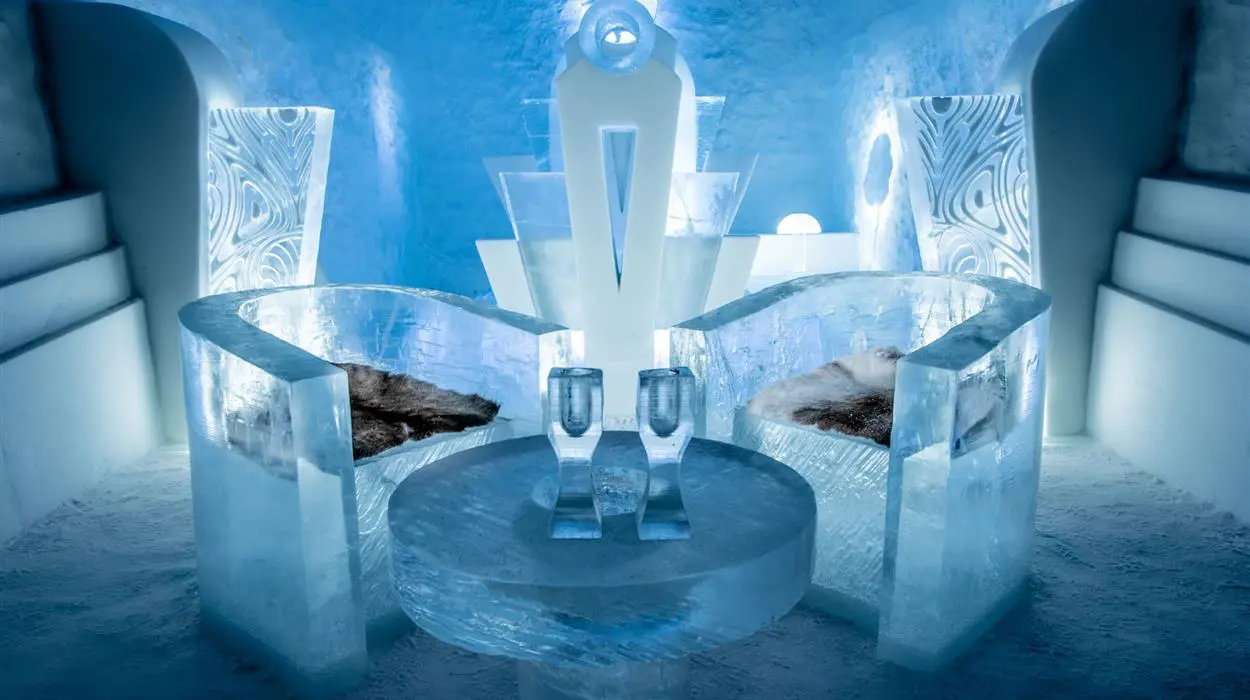
In Swedish Lapland, properties are purposefully positioned in remote locations away from light pollution. Stay at the original ICEHOTEL near Kiruna, where rooms sculpted from ice offer a truly Arctic experience, or choose the year-round ICEHOTEL 365. From here, Abisko National Park sits around 70 miles northwest, widely recognised for reliable viewing conditions.
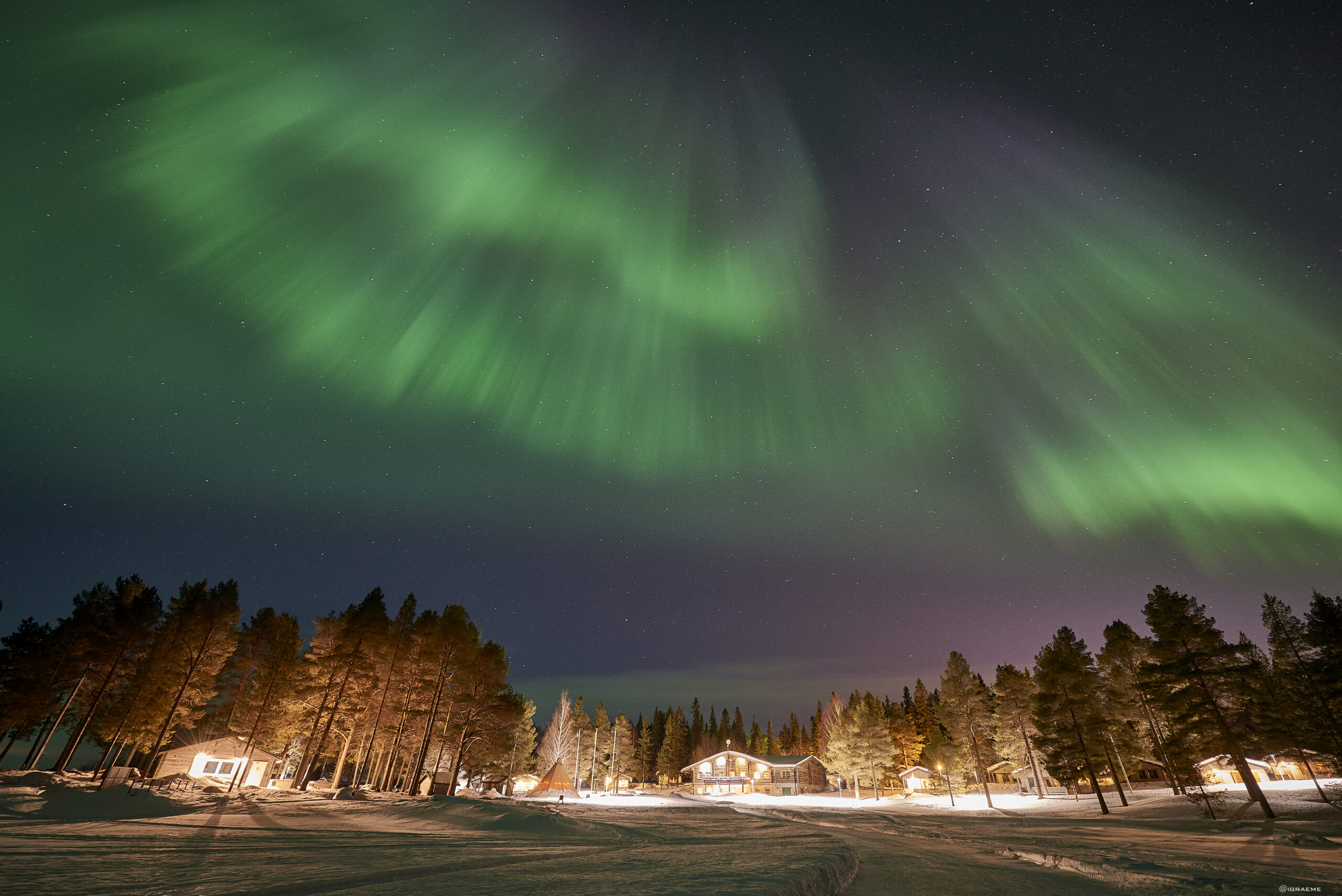
Cosy wilderness lodges, glass-roofed cabins and boutique Arctic retreats provide pleasant sanctum from the elements. Many accommodations allow you to step straight outside when the sky begins to move.
For those wishing to combine city and wilderness, Sweden’s cultural centres offer that balance. Stockholm and Gothenburg deliver world-class dining and design-led hotels before you travel north to chase the Northern Lights.
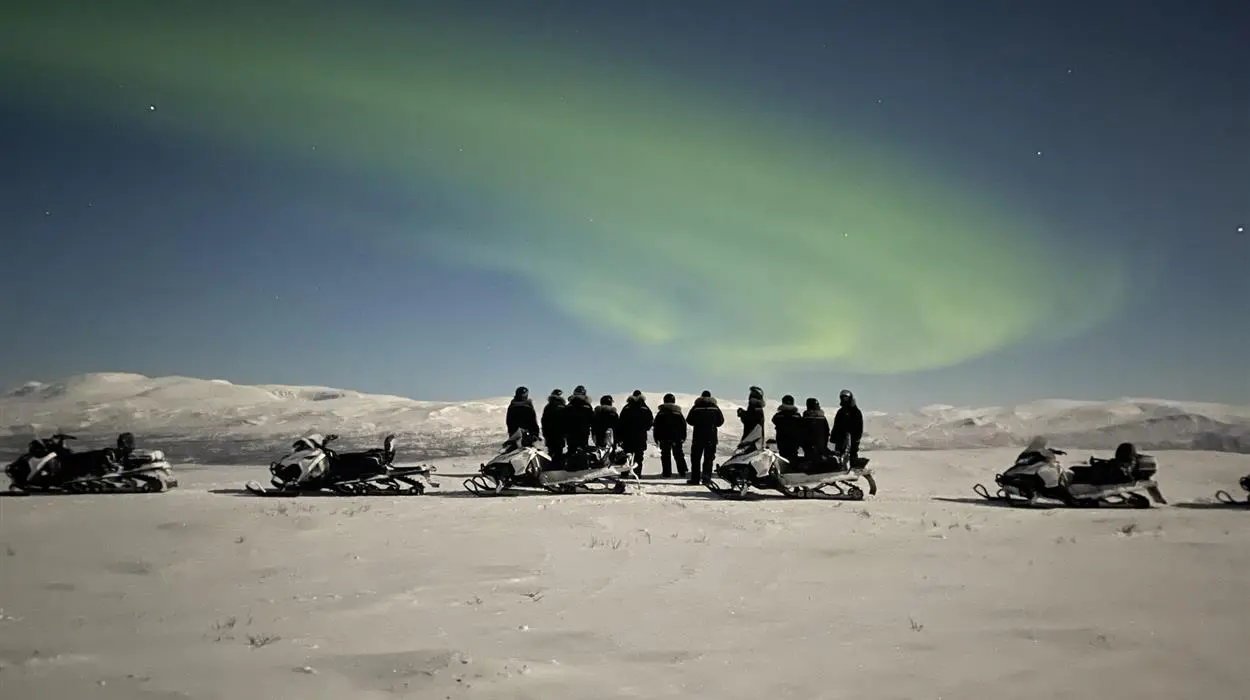
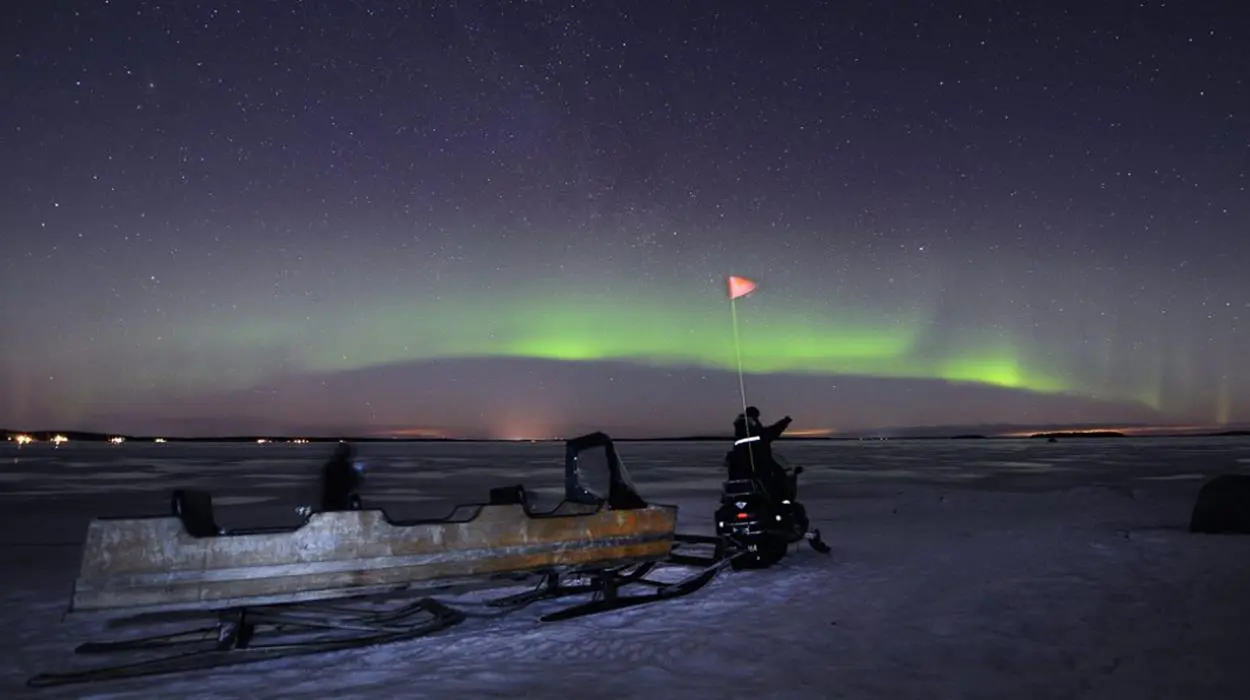
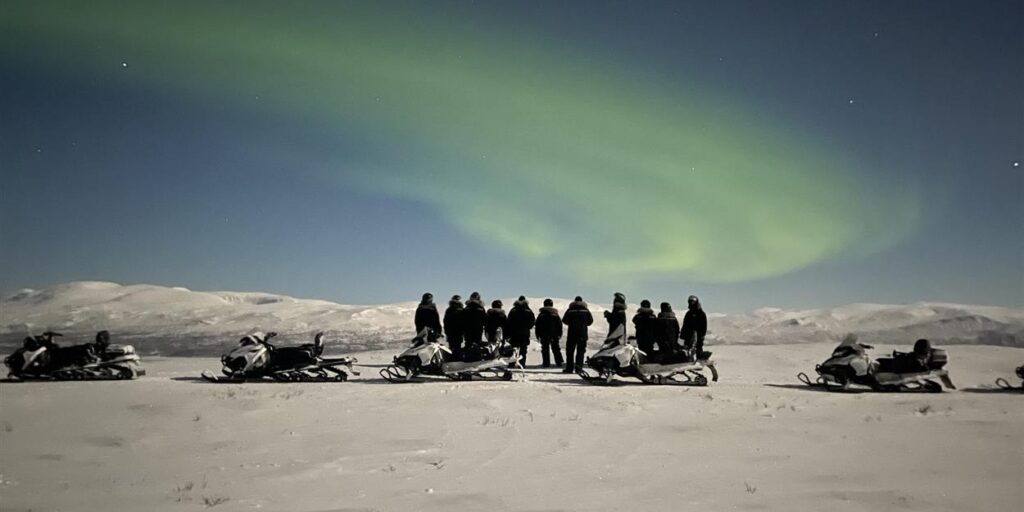
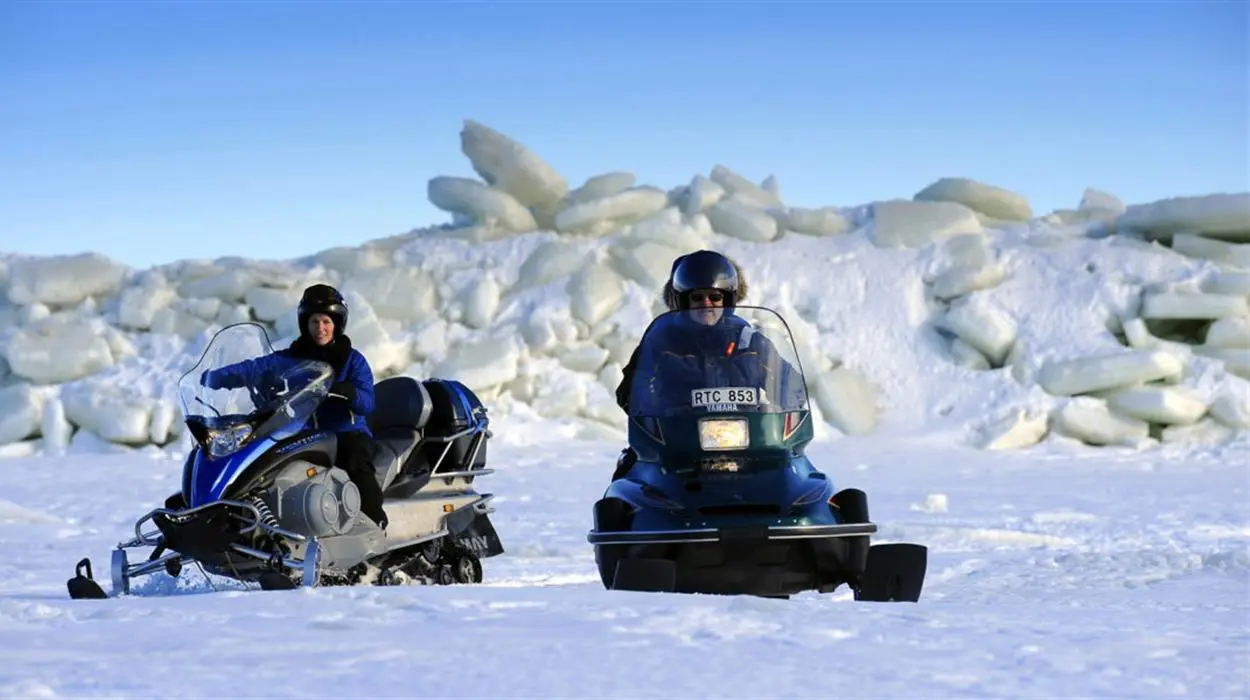
A Northern Lights holiday to Sweden is never only about the night sky. Glide across frozen rivers by dog sled. Drive snowmobiles over vast white plains. Learn about Sámi heritage and reindeer migration. Walk across thick sea ice along the frozen Bothnian coast, where winter temperatures in Swedish Lapland often range from -17°C to -5°C, with colder snaps possible.
Retreat to a sauna after a chilly afternoon outdoors, or share stories over dinner as the scenery turns blue in the late afternoon glow. In some regions further south, an evening in early autumn can still offer Northern Lights sightings without the harsh winter temperatures.

Deep, first-hand knowledge of Scandinavia, the Baltic countries and Canada shapes every journey we create. We know the regions, the seasons and the experiences that truly make a trip exceptional.

From your first conversation to your return home, you’ll work with one dedicated specialist and our operations team who understand your pace, your priorities and your appetite for adventure.

Privately designed or carefully curated, every itinerary balances comfort with exploration, pairing exceptional places to stay with experiences that immerse you in the wild beauty of the North.

With over 15 years of expertise, trusted local partners and financial protection, you’re free to focus on the experience, we take care of everything else supported by our bespoke travel app and 24/7 human support.
No. Northern Lights sightings depend on solar activity, cloud cover and darkness. Swedish Lapland sits in an excellent geographic position, but flexibility is important. Longer stays improve your chances significantly.
In many cases, yes. We prioritise remote lodges and properties away from artificial light. In certain locations, you can step outside your cabin or even watch from a glass-roofed room if conditions align.
We recommend spending five to seven nights in the Arctic region. Five nights offers even greater flexibility to adapt to weather patterns and optimise your viewing opportunities.
The Northern Lights season runs from August to April. However, darker months between late September and early March provide the strongest viewing windows. Summer’s bright skies prevent sightings entirely.
In northern Sweden, winter temperatures often range between -17°C and -5°C, with January and February averages around -12°C to -13°C. Proper clothing makes all the difference, and our team provides detailed packing guidance before you travel.
Christmas through the eyes of a child can’t really be beaten. That’s why taking your young family to…
Read more
Choosing where to celebrate the start of married life is one of the most exciting parts of wedding…
Read more
If you are planning a trip to Northern Europe, we hope that the food and drink scene would…
Read more