Where and When to See the Northern Lights
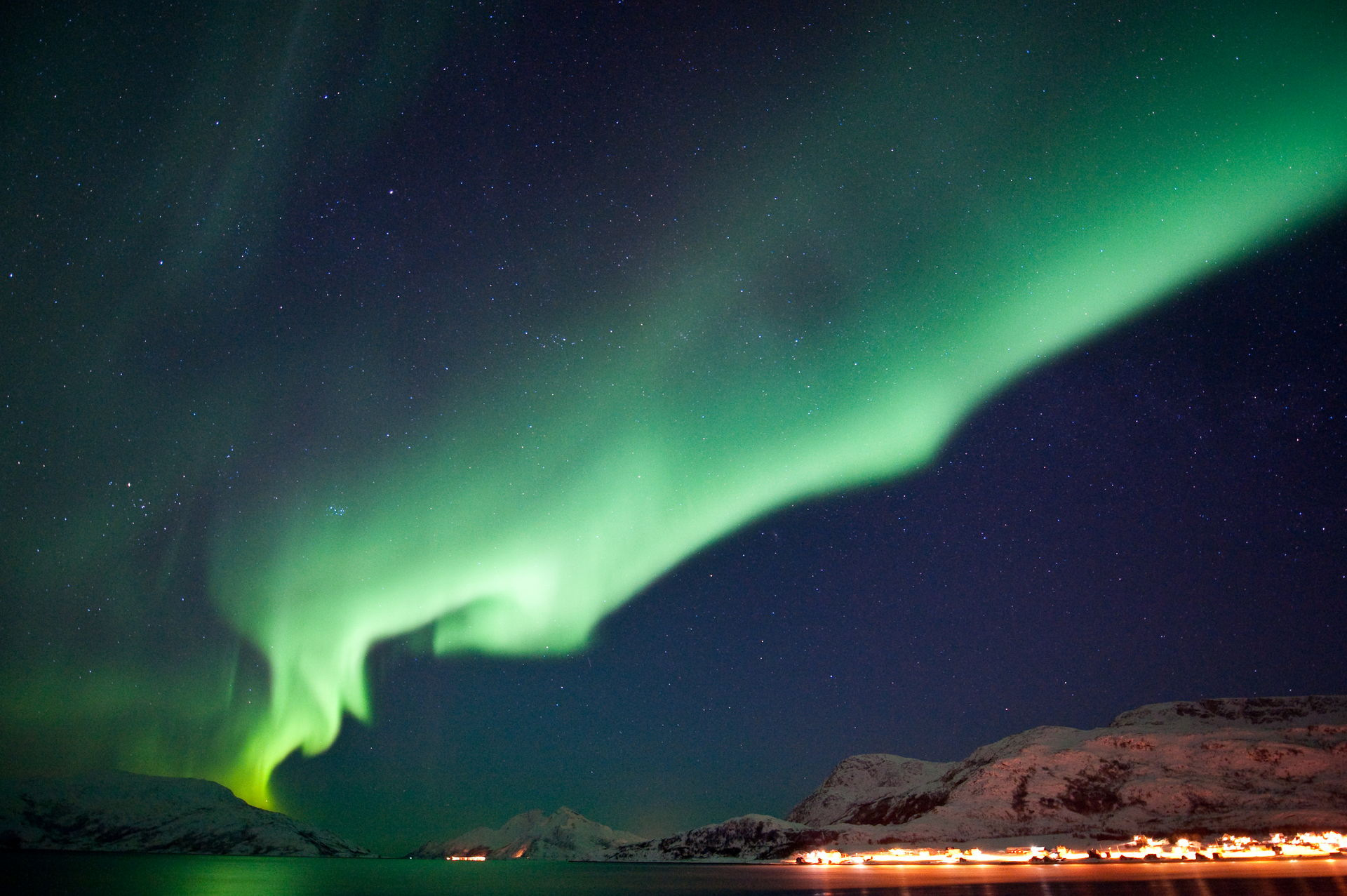
Seeing the Northern Lights is often described as one of the world’s great travel experiences, and with good reason. Beautiful and unpredictable, the Aurora has a way of making even the wildest northern landscapes feel extraordinary.
The best places to see the Aurora are high-latitude regions beneath or close to the auroral oval, including northern Norway, Finnish Lapland, Swedish Lapland, Iceland and northern Canada. The main viewing season usually runs from late August or September to late March, with some northern regions offering sightings into April. This window varies between regions.
At Magnetic North Travel, we create luxury Northern Lights holidays across the North, from romantic honeymoons to remote Arctic adventures. This guide will help you choose where to go, when to travel and how to give yourself the best chance of seeing the Aurora.
Where Can You See the Northern Lights?
The Northern Lights are usually seen in high-latitude regions close to the Arctic. These destinations sit beneath, or near, the auroral oval – a ring-shaped zone around Earth’s geomagnetic pole where aurora activity is most frequent.
This is why the best places to see the Northern Lights are usually found in the far north: Finnish Lapland, Iceland, northern Norway, Swedish Lapland, northern Canada and, for a more remote Arctic experience, Svalbard.
Of course, location is only part of the story. To see the Aurora clearly, you also need dark skies, low light pollution and, ideally, cloud-free weather.
For the best chance, choose somewhere with:
- Long, dark nights
- Low light pollution
- Clear skies free from cloud cover
- Good access to guided Aurora hunting
- Several nights in one place
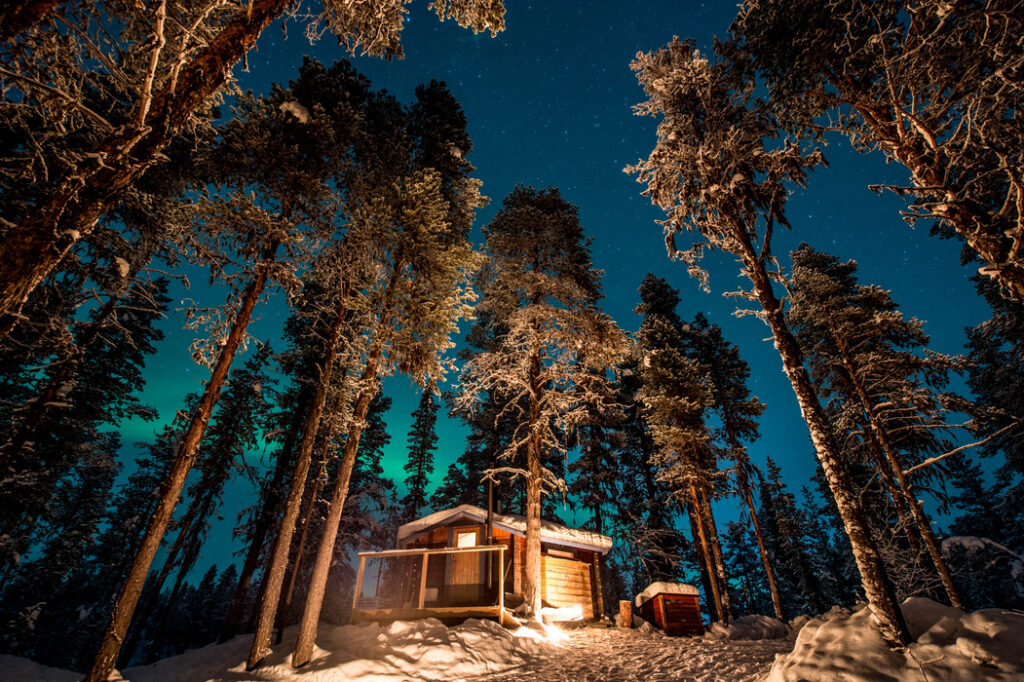
Best Places to See the Northern Lights
There are many wonderful places to see the Northern Lights, and each offers a different kind of Arctic adventure. Some are ideal for first-time visitors, while others suit travellers looking for remote locations, romance or a once-in-a-lifetime winter escape.
| Destination | Why go? | Best Time | Northern Lights Tours |
| Northern Norway | Excellent Aurora potential, dramatic coastlines, fjords, whale watching and lively Arctic towns such as Tromsø. | Late August to early April | Tromso and the Lofoten Islands Northern Lights Tour |
| Finnish Lapland | Snow-covered forests, glass igloos, cabins, gentle winter activities and romantic wilderness stays. | Late August to early April | Luxury Glass Igloo Escape under the Northern Lights: Finnish Lapland |
| Swedish Lapland | Quiet wilderness, dark skies, frozen rivers, forests and design-led stays away from the crowds. | Early September to late March | Northern Lights Adventure Break at Brandon Lodge |
| Iceland | Northern Lights potential alongside waterfalls, glaciers, lava fields, black-sand beaches and geothermal landscapes. | September to April | Iceland Northern Lights and Superjeep |
| Northern Canada | Vast wilderness, big skies, remote lodges and some of the world’s most dependable Aurora regions. | Late August to late March. | Canada’s Vancouver and Yukon Autumn Northern Lights |
| Svalbard | A true High Arctic experience, with Polar Night, remote landscapes and a wonderfully expedition-like atmosphere. | October to February | Luxury Aurora Break in Svalbard |
For more destination inspiration, explore our Finland Northern Lights holidays, Sweden Northern Lights holidays, Iceland Northern Lights holidays and Canada Northern Lights holidays.
When Is the Best Time to See the Northern Lights?
The Northern Lights can occur at any time of year, but they need darkness to be visible. The best time of night to see the Northern Lights is usually late evening to early morning, often between around 10pm and 2am.
Month-by-Month Northern Lights Viewing Guide
| Month | Northern Lights visibility | What to expect |
| January | Excellent | Deep winter darkness, snowy landscapes and long nights across the Arctic. One of the strongest months for Aurora holidays. |
| February | Excellent | Still dark, but with gradually lengthening days. A brilliant month for combining Aurora viewing with winter activities. |
| March | Very good | A strong late-season option, with more daylight and good Aurora potential around the spring equinox. |
| April | Limited | Aurora activity may still occur, but shorter nights make sightings less reliable in many destinations. |
| May | Poor | Nights are too light in most northern destinations, especially as summer approaches. |
| June | Very poor | Midnight sun or very bright nights make Aurora viewing unlikely across much of the Arctic. |
| July | Very poor | The Aurora may still occur high above the Earth, but it is usually too light to see. |
| August | Possible late in the month | Dark skies begin to return in some northern regions, especially later in August. |
| September | Good | A lovely early-season month, with autumn colours, returning darkness and good Aurora potential. |
| October | Good | Darker nights return properly, and many destinations offer a good mix of autumn or early winter experiences. |
| November | Excellent | The start of the core winter season, with long nights and increasingly snowy landscapes. |
| December | Excellent | Peak winter atmosphere, deep darkness and strong Aurora potential across northern destinations. |
What Causes the Northern Lights?
The science behind the Northern Lights is every bit as fascinating as the spectacle itself.
The sun releases charged particles, which travel towards Earth on the solar wind. When these particles reach our planet, Earth’s magnetic field directs them towards the polar regions.
There, high in the upper atmosphere, the particles collide with gases, mainly oxygen and nitrogen. These collisions release light, creating the glowing colours we see as the Aurora Borealis.
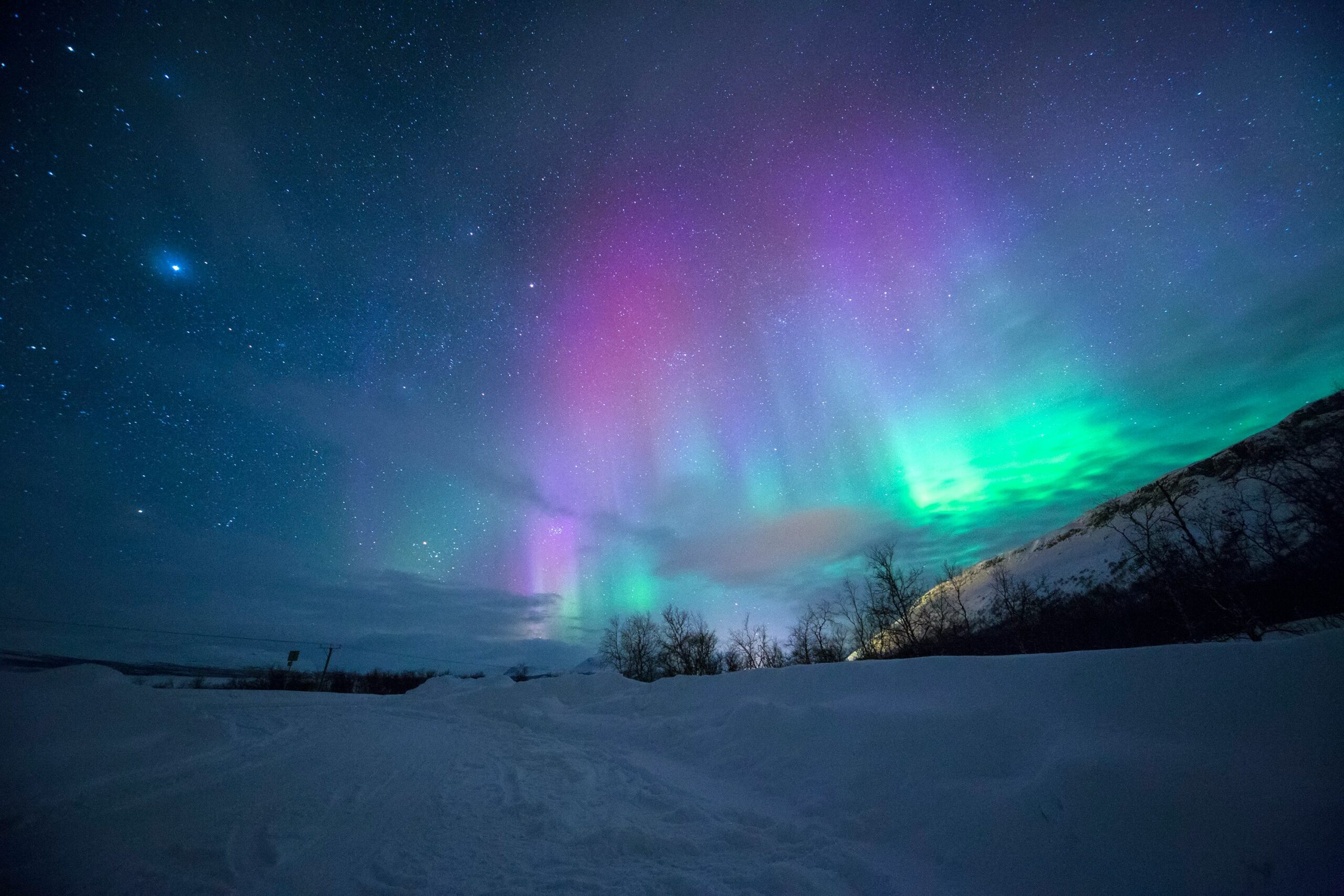
Oxygen often produces green light; the colour most associated with the Northern Lights. Under the right conditions, you may also see pink, purple, red or white.
Can You Guarantee Seeing the Northern Lights?
No one can guarantee a Northern Lights sighting. The Aurora is natural, and visibility depends on several factors, including solar activity, cloud cover, local weather, light pollution and even moonlight.
That said, there is plenty you can do to improve your chances. Travel during the main season, stay for several nights, if possible, choose darker and more remote locations, and use local guides who understand the conditions.
Guided Aurora excursions can make a real difference. Experienced guides know where to look for clearer skies, how to escape light pollution and when to move location if conditions change.
How to Choose the Right Northern Lights Holiday
The best Northern Lights holiday is not just about where the Aurora might appear, it’s about choosing the experience that feels right for you.
If you like comfort, restaurants and easy access to activities, a city-based Aurora holiday in a place such as Tromsø can work beautifully.
If you are dreaming of silence, snow and big skies, a remote lodge stay may be a better fit. Finnish Lapland, Swedish Lapland and northern Canada are wonderful for cabins, glass-roofed accommodation, wilderness lodges and evenings spent watching the sky from somewhere peaceful.
Families can also enjoy a Northern Lights holiday, especially where the days include winter activities like husky sledding and snowshoeing.
Plan Your Northern Lights Holiday
Whether you are planning a romantic winter honeymoon, a luxury glass igloo escape, a remote lodge adventure or a family-friendly Arctic holiday, our specialists can help you choose the right place and time to travel.
Speak to our team to start planning your own Northern Lights holiday.
Frequently Asked Questions
Why is it called Aurora Borealis?
The term “Aurora Borealis” is often associated with 17th-century astronomers including Pierre Gassendi and Galileo Galilei. It combines Aurora, the Roman goddess of dawn, with Boreas, the Greek name for the north wind.
Is a Northern Lights holiday suitable for a honeymoon?
Absolutely. A Northern Lights honeymoon can be wonderfully romantic, especially if you choose the right accommodation and pace.
We can help arrange stays in glass igloos, Ice hotels, wilderness lodges or Arctic hideaways, along with experiences such as husky sledding, private dining, snowshoeing or guided Aurora hunting. For couples who want something more personal than a traditional beach honeymoon, it can be a magical choice.
How do you photograph the Northern Lights?
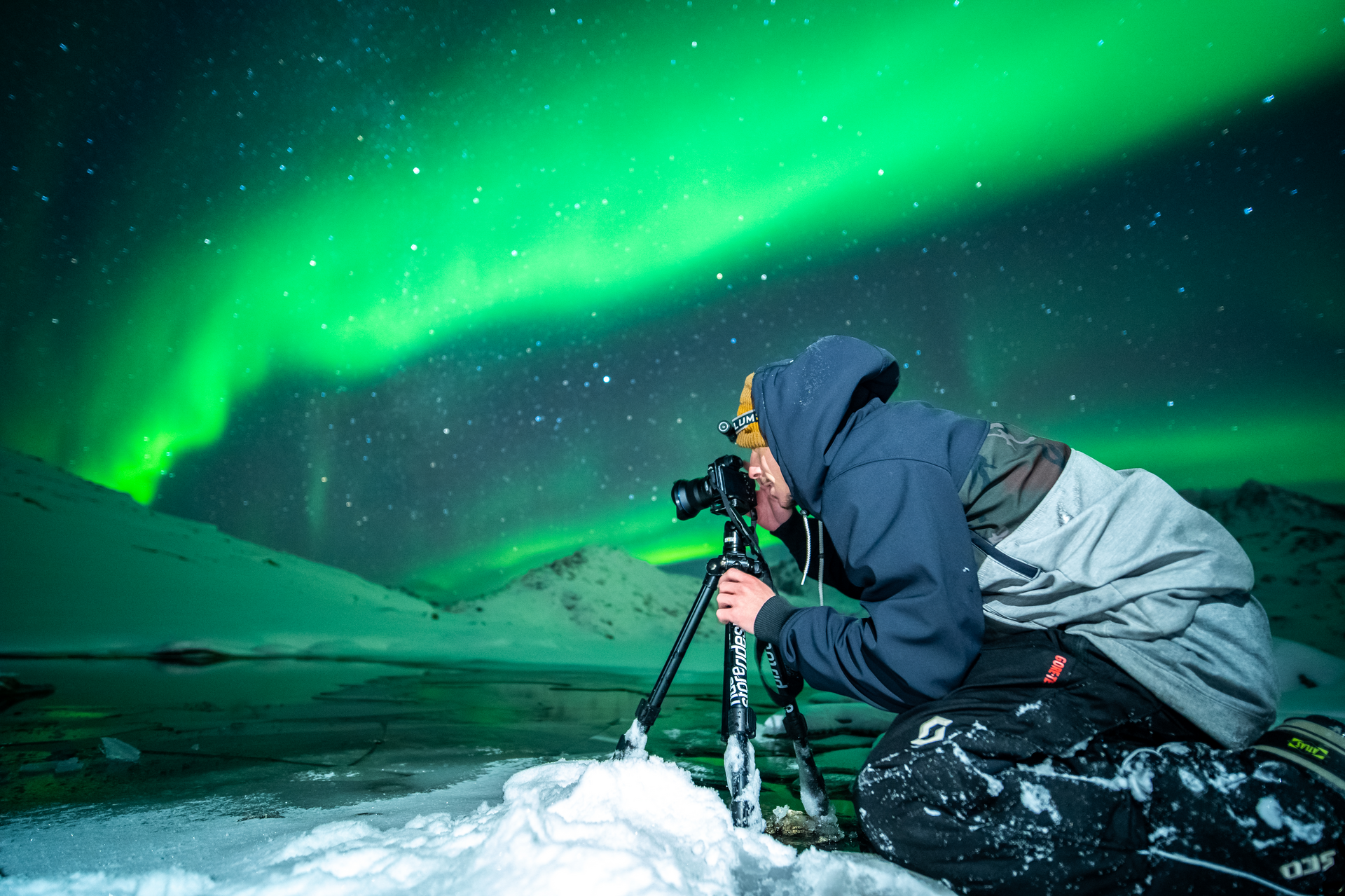
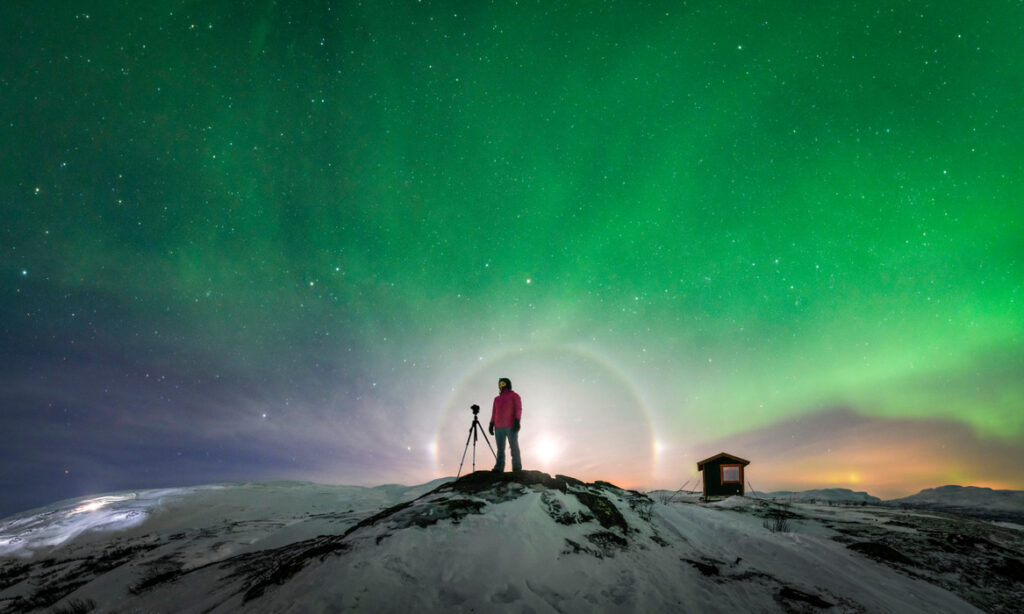
Photographing the Northern Lights takes a little preparation, but your guide can often help you get set up on the night. A DSLR or mirrorless camera, tripod, wide-angle lens and remote shutter are all useful.
As a starting point, try:
- ISO: 800–3200
- Shutter speed: 5–15 seconds
- Aperture: f/2.8 or lower
- Focus: Manual, set to infinity
For more detailed advice, read our Northern Lights photography guide.
Are the Northern Lights visible every night?
No. The Northern Lights are not visible every night, even in excellent Aurora destinations. They depend on solar activity, darkness, clear skies and local conditions.
However, travelling during the main Northern Lights season, staying in a dark-sky location and allowing several nights will give you a much better chance of seeing them.