
Scandinavia’s Second Cities: Move Beyond the Capitals
When we think of Scandinavia, it’s often the capitals that come to mind first: Oslo, Copenhagen, Reykjavík, Helsinki.…
Read more
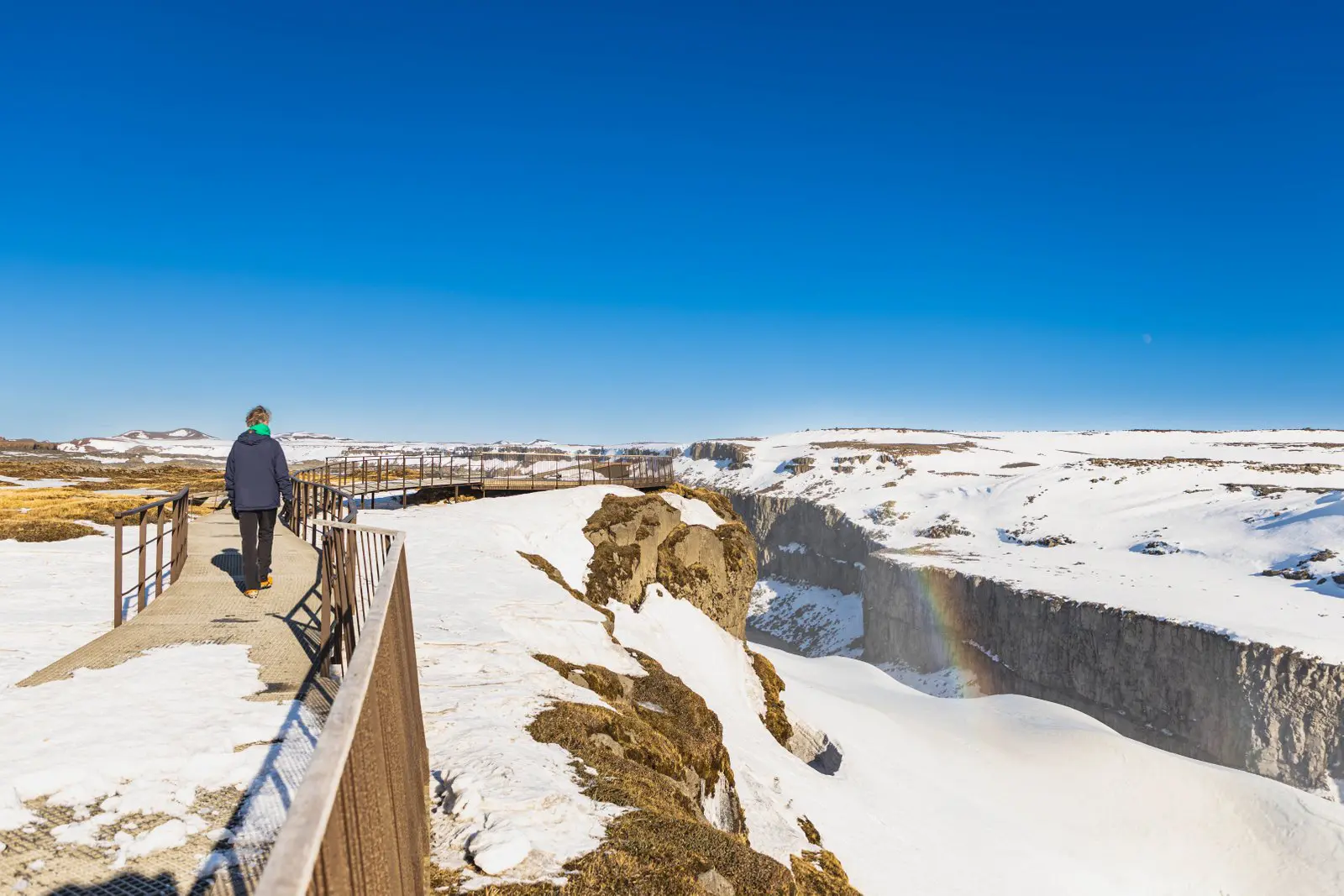
Winter in Iceland runs from November to March. The darkest period falls around 21st December, when daylight lasts approximately four to five hours. By late February, this increases to seven to ten hours, making travel and driving more straightforward while retaining strong Northern Lights potential.
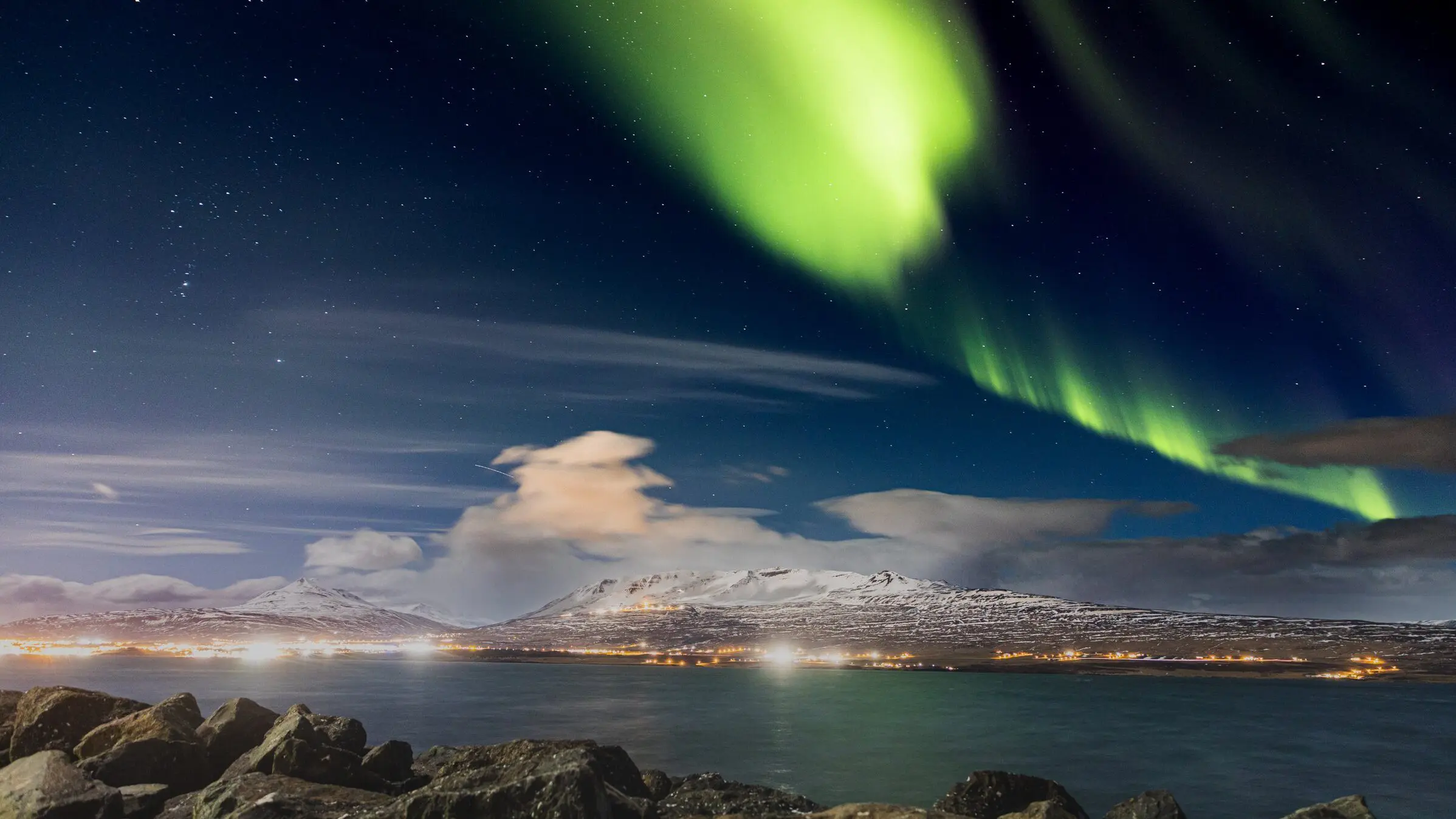
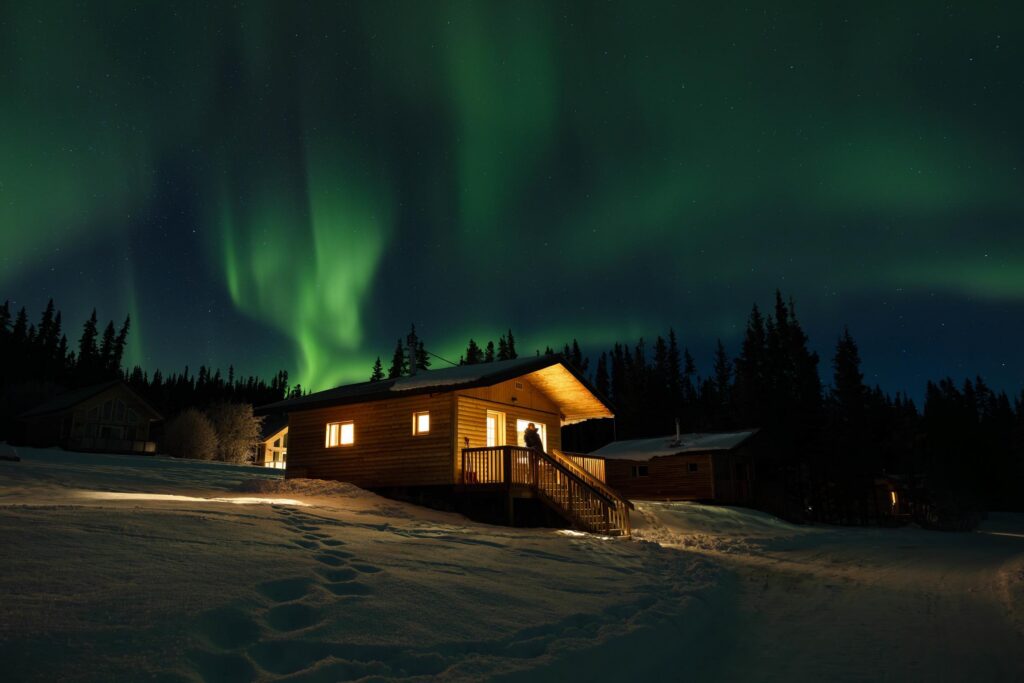
These long nights make Iceland one of Europe’s most reliable destinations for Northern Lights viewing. Positioned between 64° and 66° north, the country lies beneath the auroral oval. During peak season, sightings can occur on up to 70% of clear nights, though visibility always depends on solar activity and cloud cover.
Winter also provides access to experiences unavailable in summer:
Blue ice caves form beneath glaciers such as Vatnajökull and are only safely accessible during colder months.
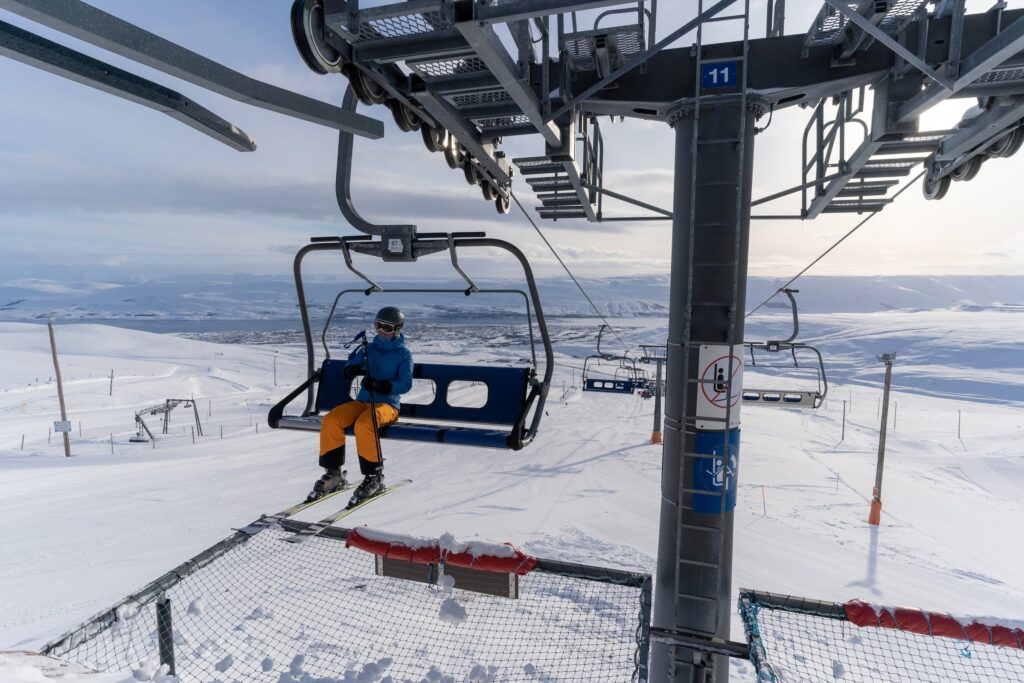
Glacier hiking and snow-based activities offer terrain conditions not present in warmer seasons.
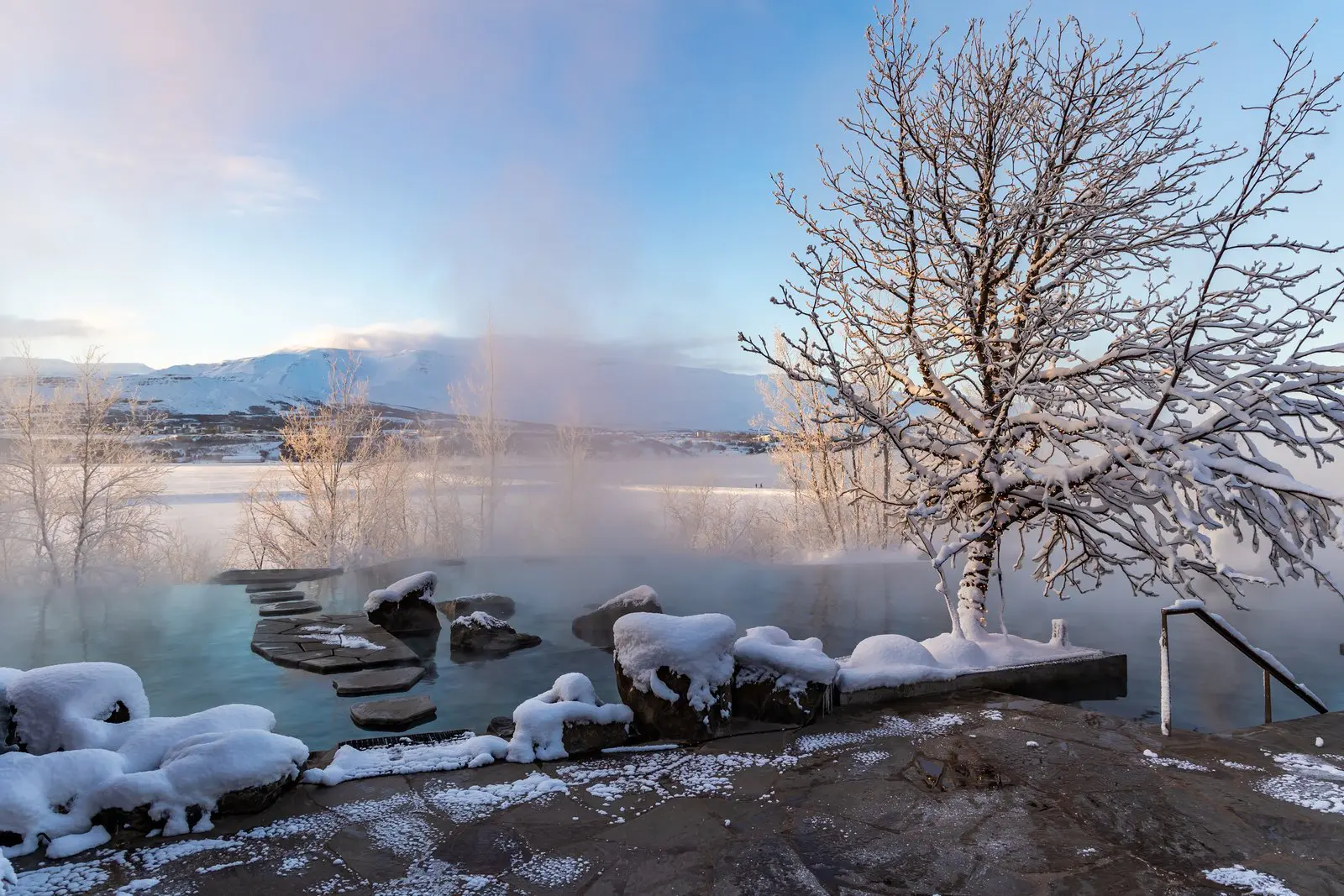
Geothermal bathing becomes particularly appealing, with outdoor temperatures often below freezing while mineral-rich waters remain naturally heated.
Iceland winter holidays are structured around seasonal access, and understanding when certain experiences are possible, and when conditions are at their best.
These suggested itineraries can be tailored to you. Ask us to add activities, change pacing, or upgrade lodges.
view all tours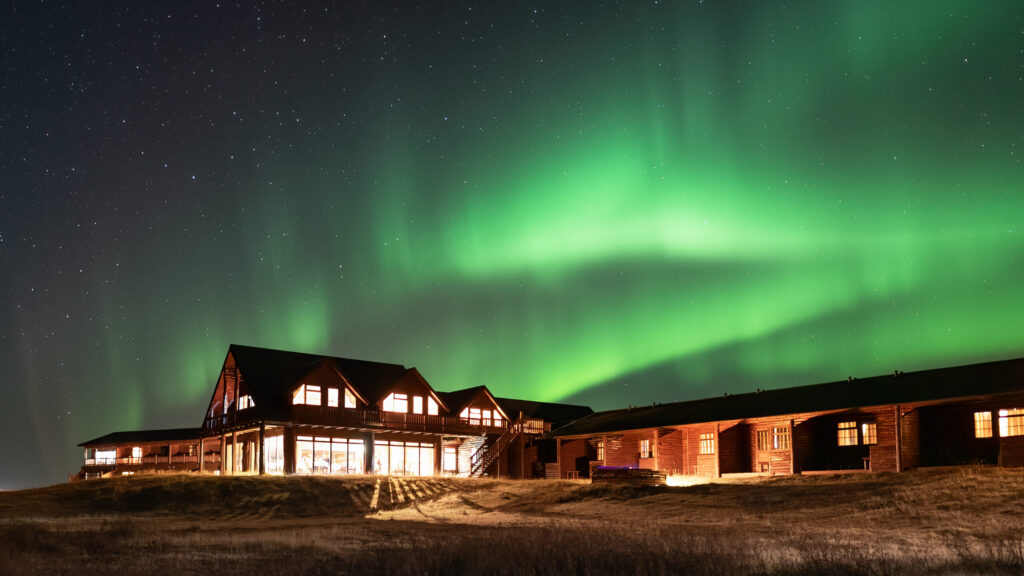
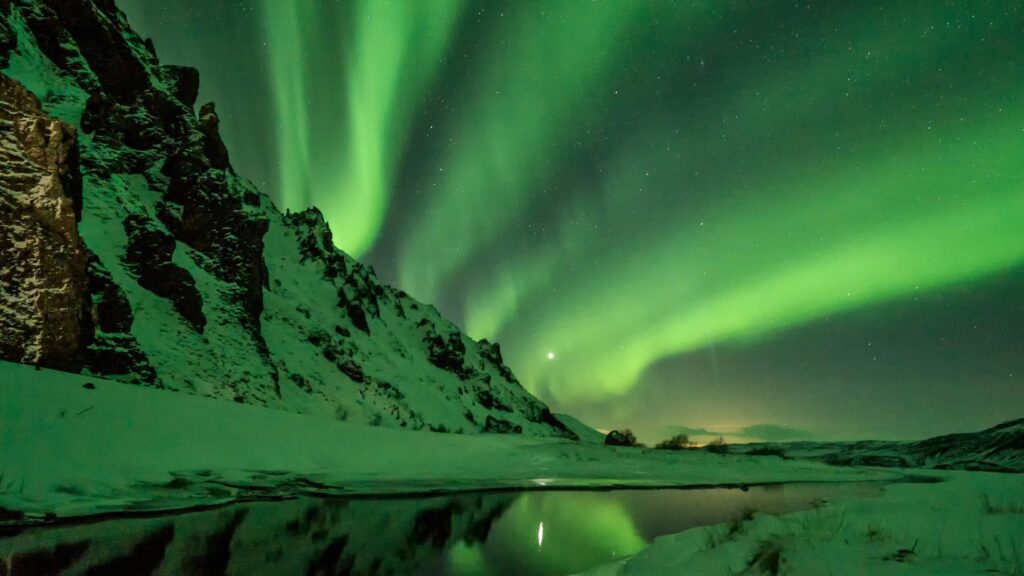
The best time for an Iceland winter holiday depends on your priorities:
For maximum darkness and Northern Lights opportunity: December and January offer the longest nights.
For balance between sightseeing and Northern Lights: February and March provide increased daylight (up to 10 hours) while maintaining strong viewing potential.
For seasonal ice cave access: Mid-November to March is typically safest and most reliable.
Our team of experts will advise you based on what you want to experience, rather than a generalised season list. If your focus is photography, family travel or a short luxury escape, we tailor timings to align with this.
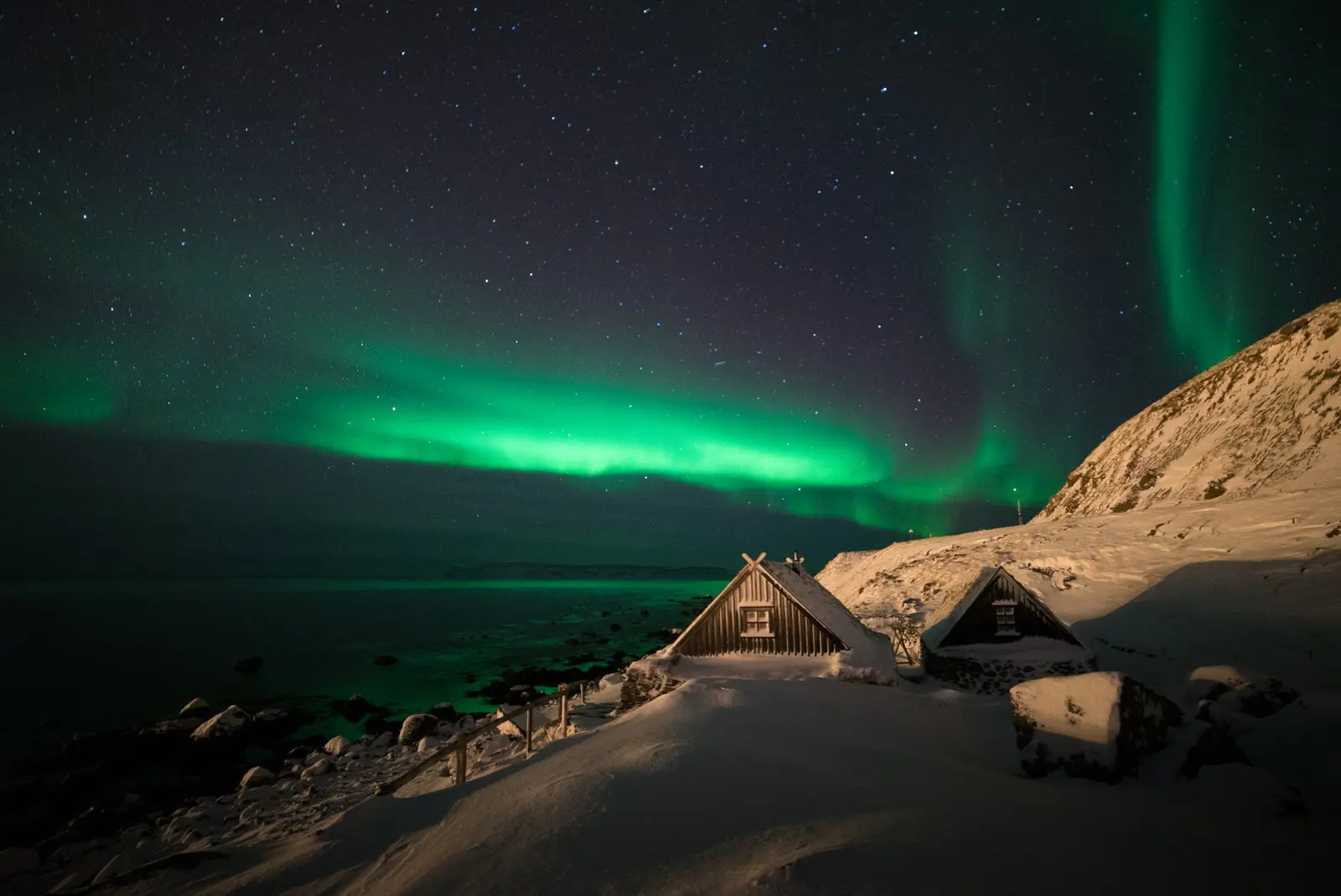
In winter, where you stay makes a real difference. It’s not just about scenery, but about stepping outside after dinner and seeing a properly dark sky. Staying beyond built-up areas reduces light pollution, giving you a clearer view if the Northern Lights appear. Our properties understand what is important to you, often offering a Northern Lights call out when the lights appear in the sky.
For a well-balanced Iceland winter holiday, we usually recommend combining a few carefully chosen regions.
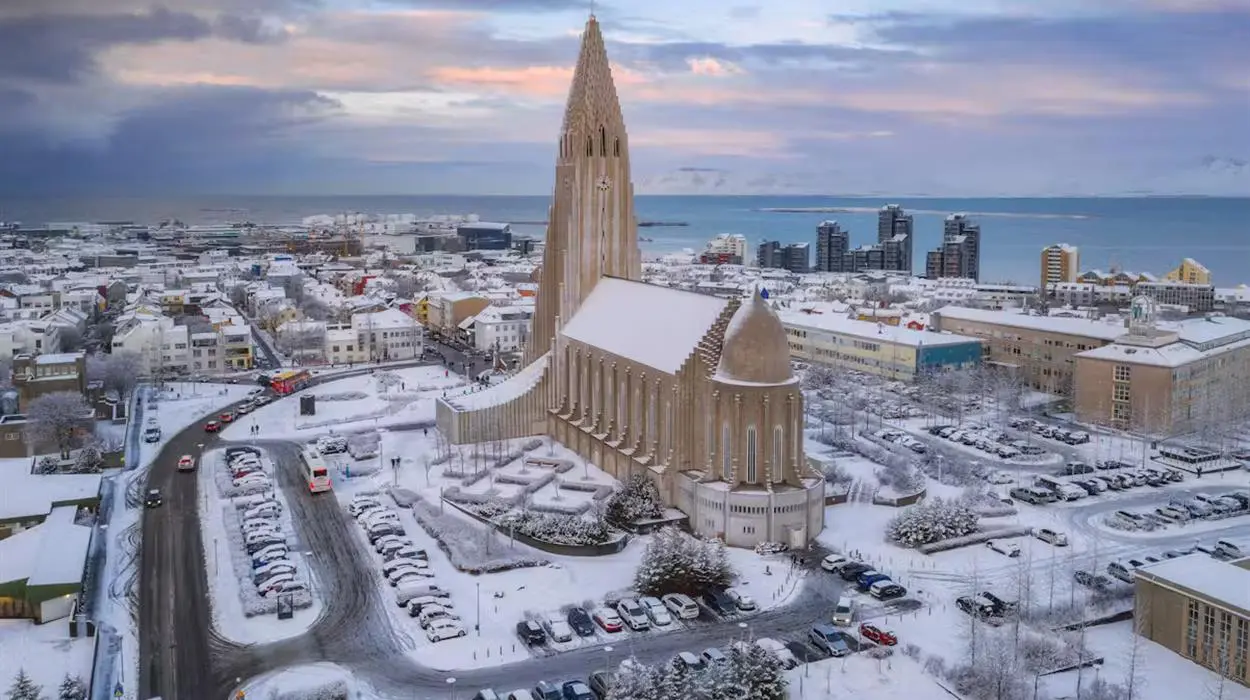
Reykjavík holidays give you a comfortable base at the start or end of your trip. Good food, interesting design-led hotels, and the chance to ease into the culture of Iceland before heading into more remote terrain.
Golden Circle holidays work well in winter because distances are manageable. You can explore Þingvellir National Park, Gullfoss waterfall and Strokkur geyser without long hours on icy roads.
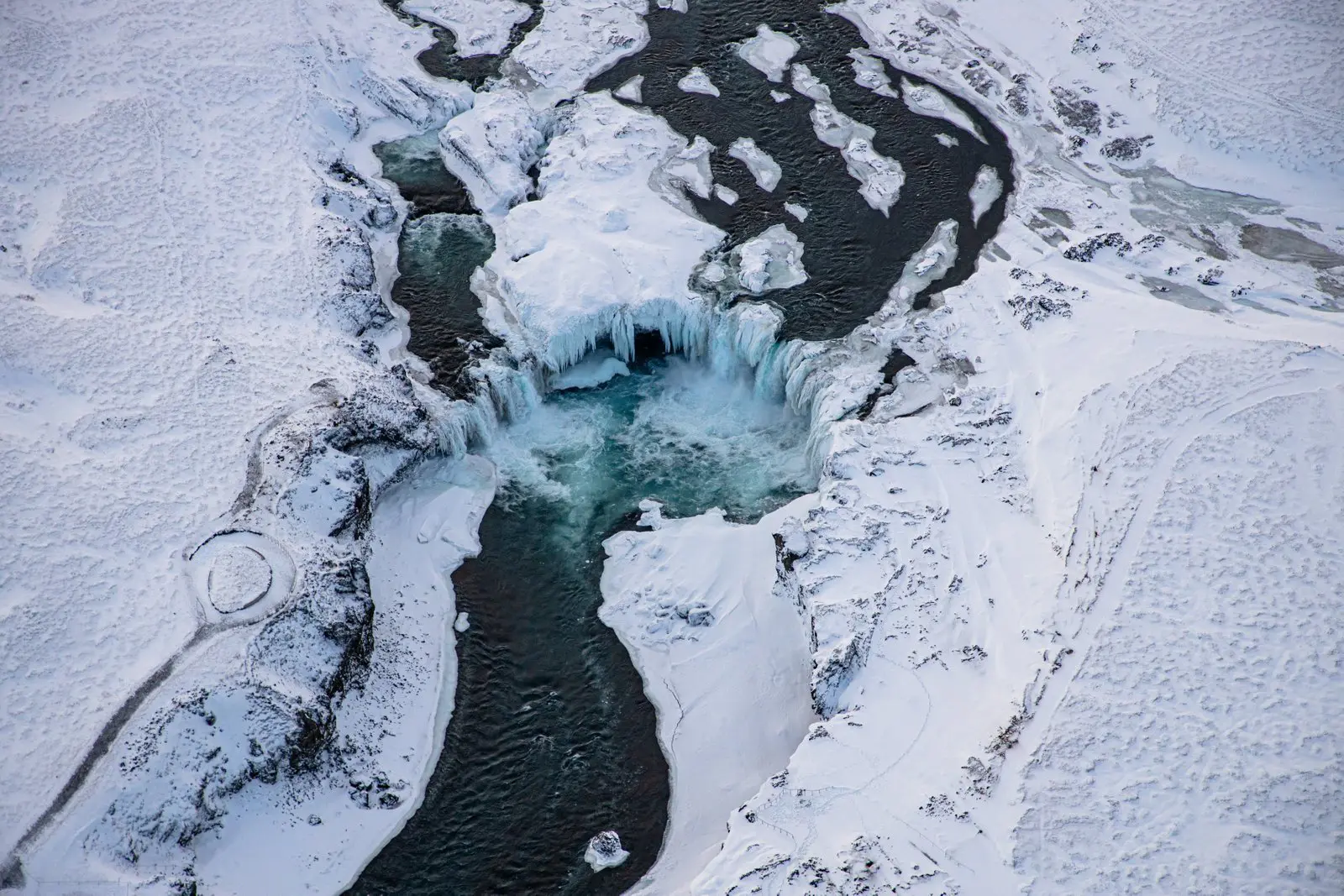
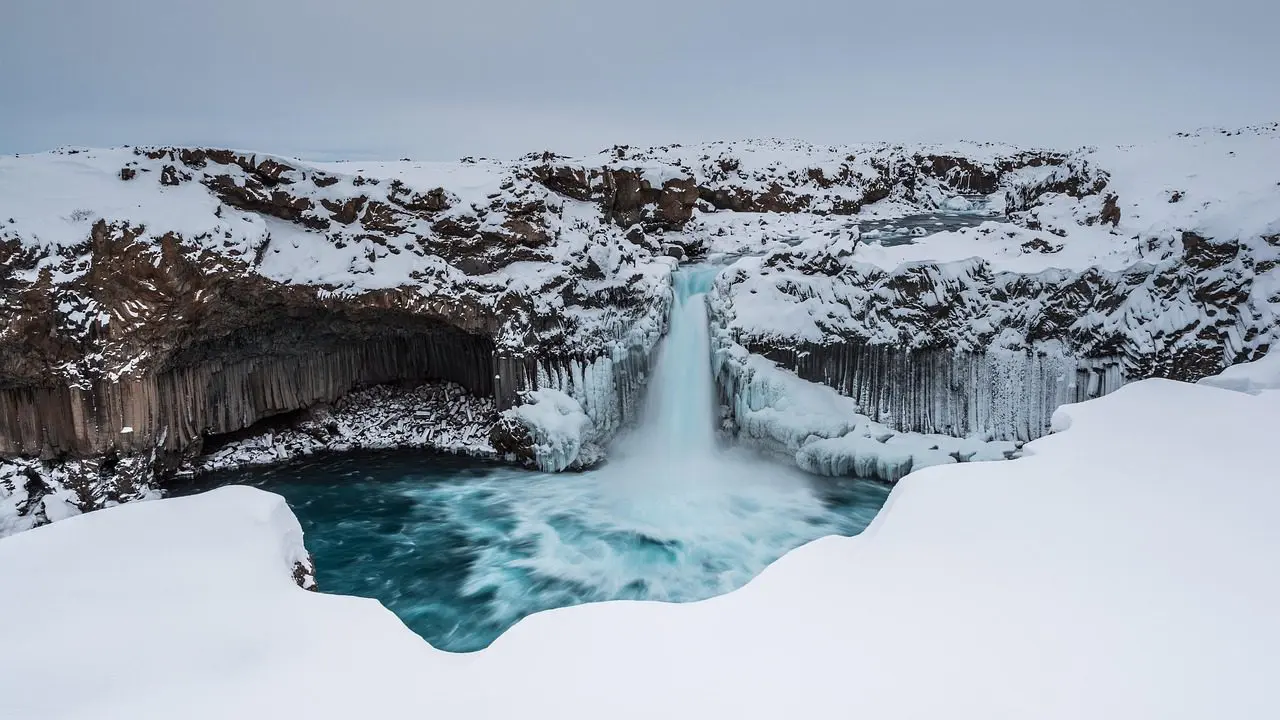
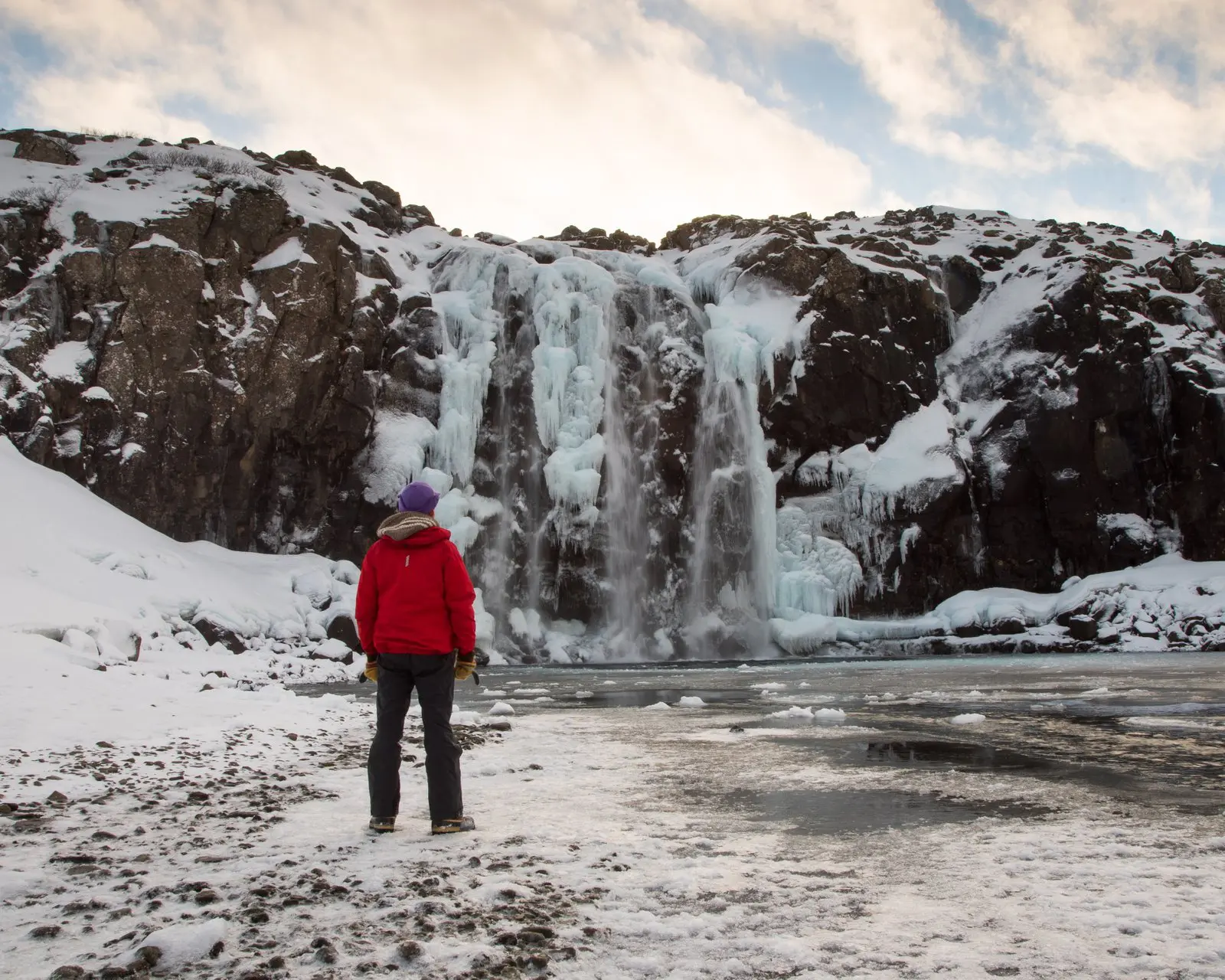
South Coast holidays bring you closer to some of Iceland’s most theatrical winter scenery like waterfalls edged with ice, wide black beaches and small coastal villages that feel peaceful at this time of year.
Vatnajökull holidays are ideal if glacier experiences and seasonal ice caves are high on your list. Staying nearby means early access and flexibility around conditions.
When it comes to accommodation, we focus on the details that matter in winter. Windows positioned to wake up with a view. Easy access when weather shifts. Hosts who understand the season. A hotel where you can thaw out properly after a day in crisp Arctic air.
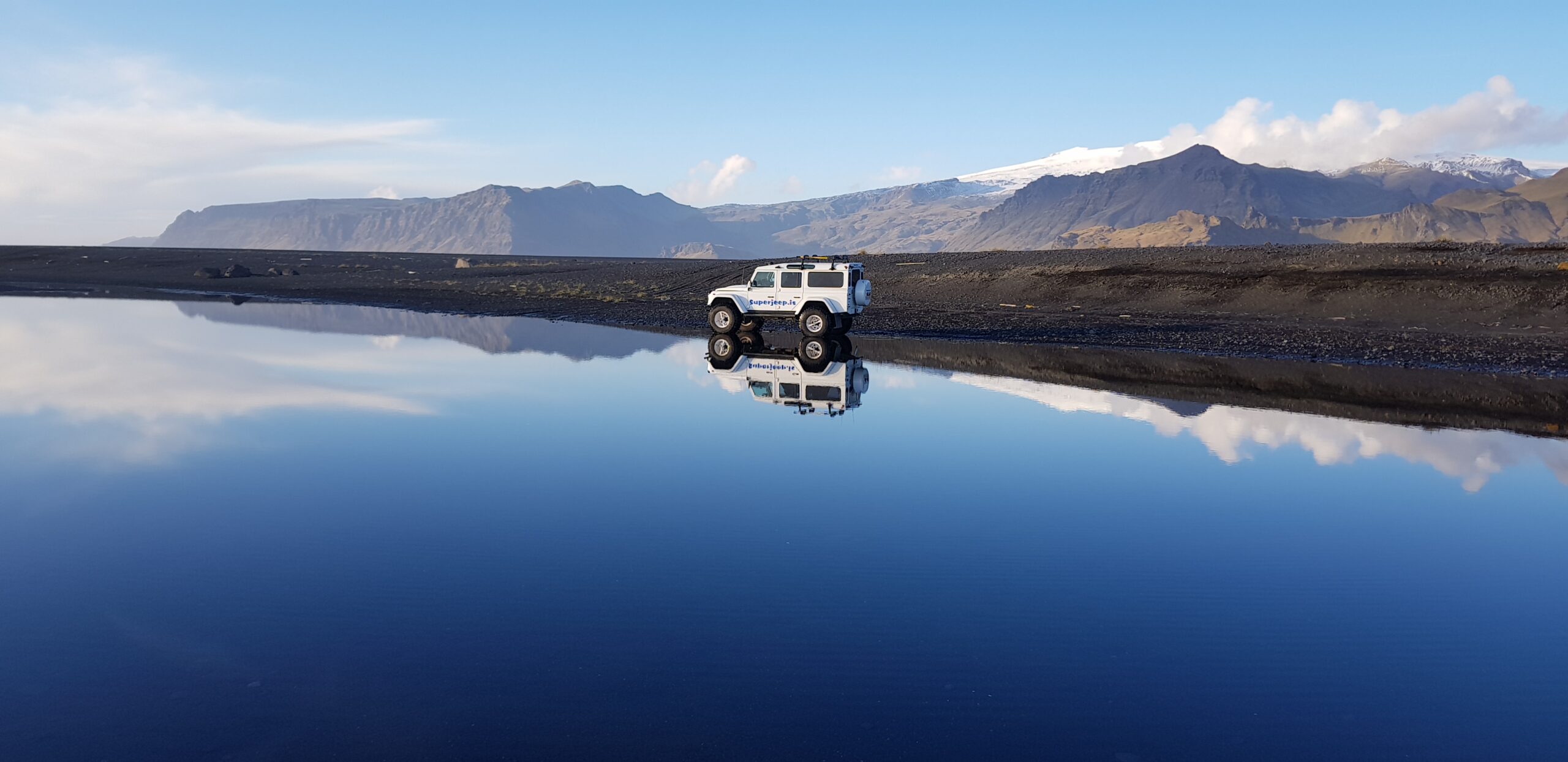
Winter adventure holidays in Iceland can include:
Our three-night Private Iceland Winter Tour by Super Jeep is perfect for couples or families seeking highlights at their own pace. For deeper exploration, our nine-night guided tour around Iceland travels by small-group minibus, offering expert-led insight into geology, culture and history while navigating winter conditions safely.

Deep, first-hand knowledge of Scandinavia, the Baltic countries and Canada shapes every journey we create. We know the regions, the seasons and the experiences that truly make a trip exceptional.

From your first conversation to your return home, you’ll work with one dedicated specialist and our operations team who understand your pace, your priorities and your appetite for adventure.

Privately designed or carefully curated, every itinerary balances comfort with exploration, pairing exceptional places to stay with experiences that immerse you in the wild beauty of the North.

With over 15 years of expertise, trusted local partners and financial protection, you’re free to focus on the experience, we take care of everything else supported by our bespoke travel app and 24/7 human support.
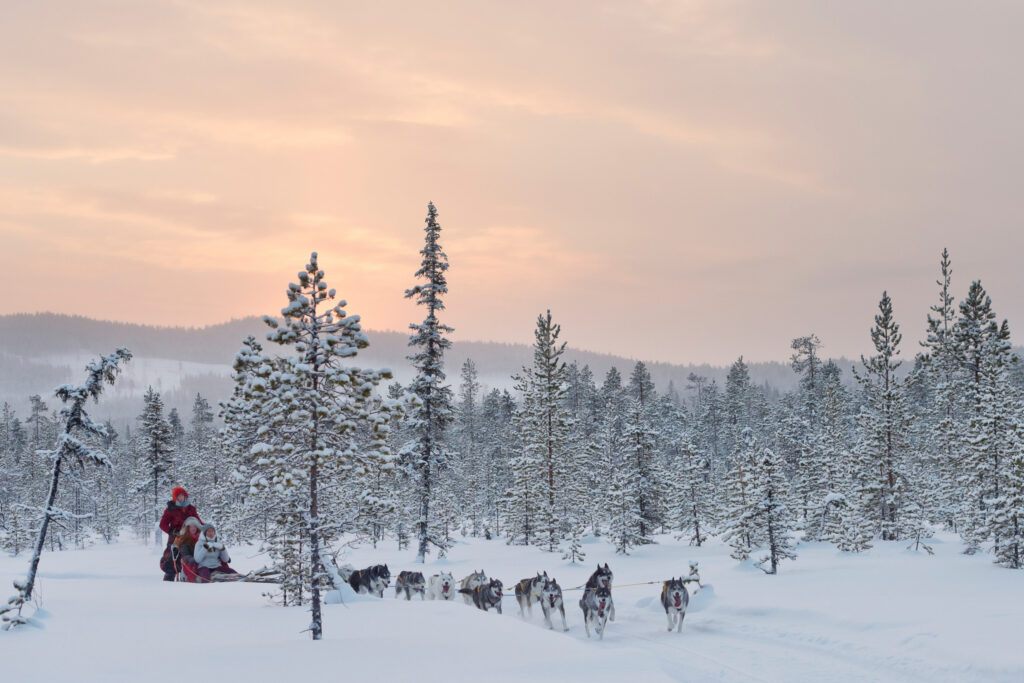
Travellers comfortable with variable weather and excited by immersive, seasonal settings. Winter suits couples, families with older children and those seeking fewer crowds.
Layering is essential for a winter holiday in Iceland. Waterproof outerwear, insulated mid-layers and sturdy boots are key. We provide detailed packing guidance based on your itinerary.
No. Visitor numbers are significantly lower than during summer. Outside Reykjavík and key attractions, the area feels remote and roads are far quieter.
Yes. Iceland’s latitude and position beneath the auroral oval make it one of the strongest destinations in Europe for Northern Lights viewing between September and April. Longer stays increase the likelihood of favourable conditions, and our Iceland Northern Lights holidays are designed to give you the best possible chance while exploring Iceland in winter.
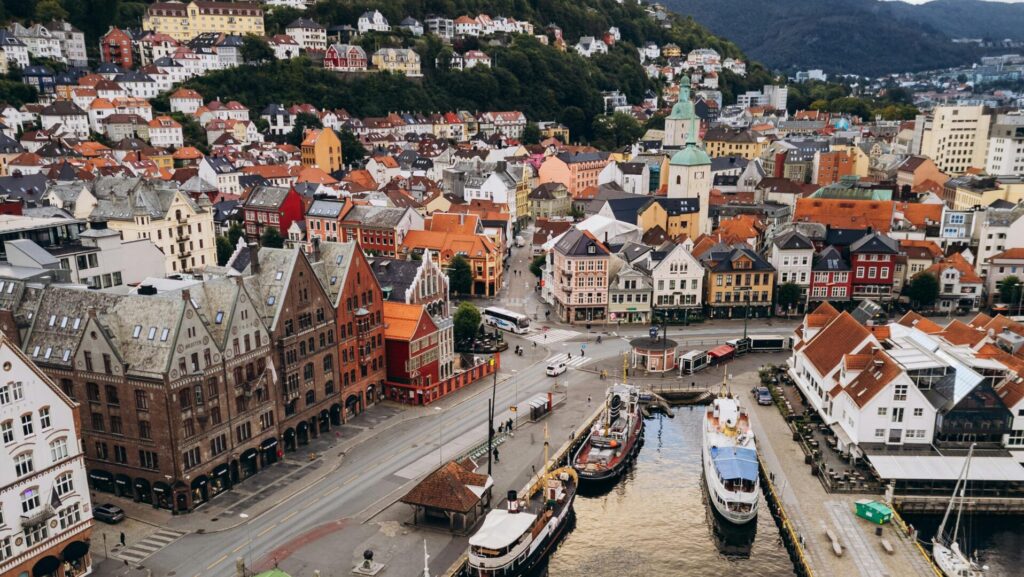
When we think of Scandinavia, it’s often the capitals that come to mind first: Oslo, Copenhagen, Reykjavík, Helsinki.…
Read more
At Magnetic North Travel, we believe that the best journeys are the ones where you can focus entirely…
Read more
With just a five- to six-hour flight from the East Coast, Iceland is an easy and unforgettable escape…
Read more