Cycling in Denmark: Why Bikes Are Part of Daily Life
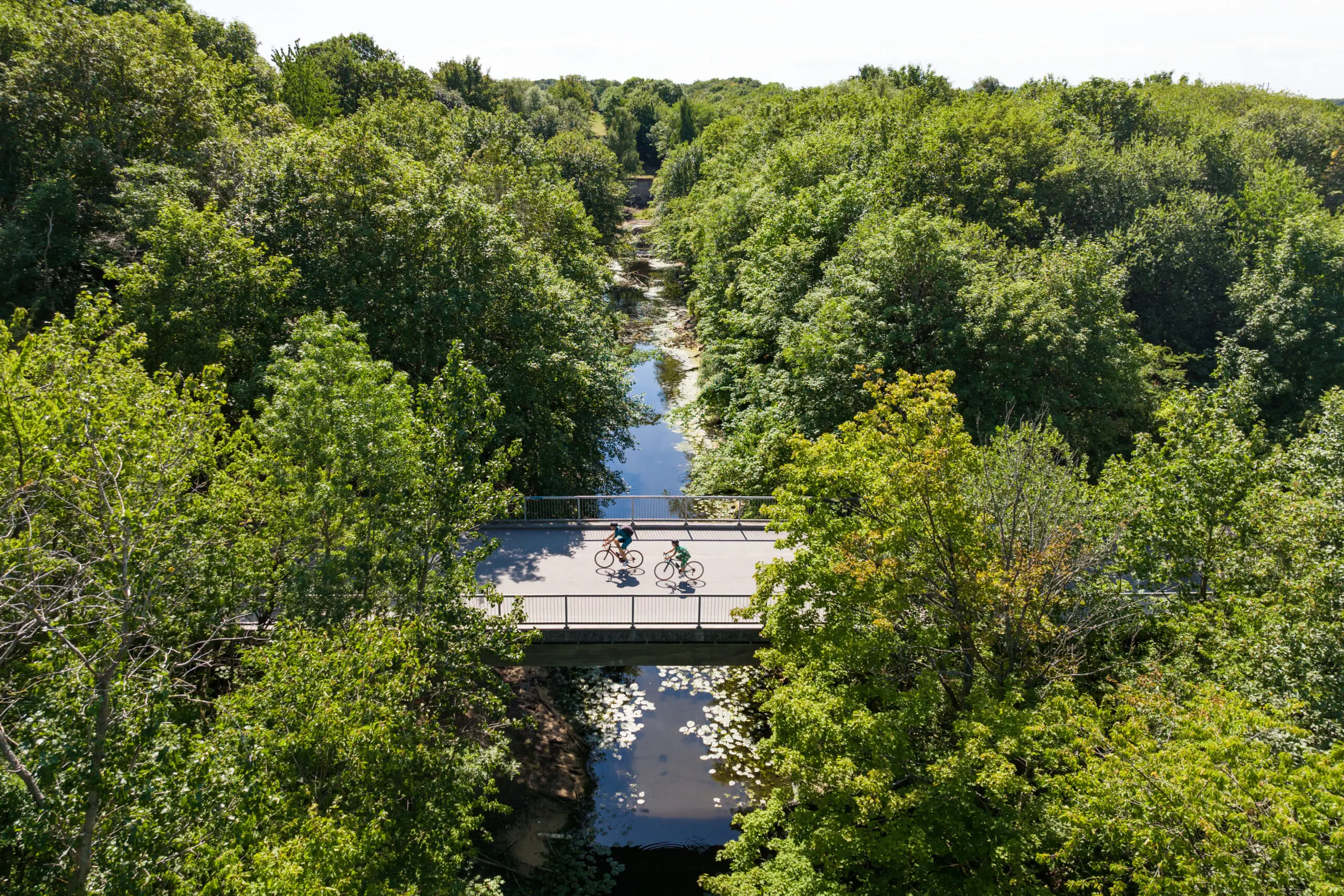 Photo Credit: supercykelstier.dk
 One of the first things you will notice about cycling in Denmark is just how normal it feels. In cities such as Copenhagen, Aarhus and Odense, bikes are not reserved for athletes or weekend rides. They are simply part of everyday life.
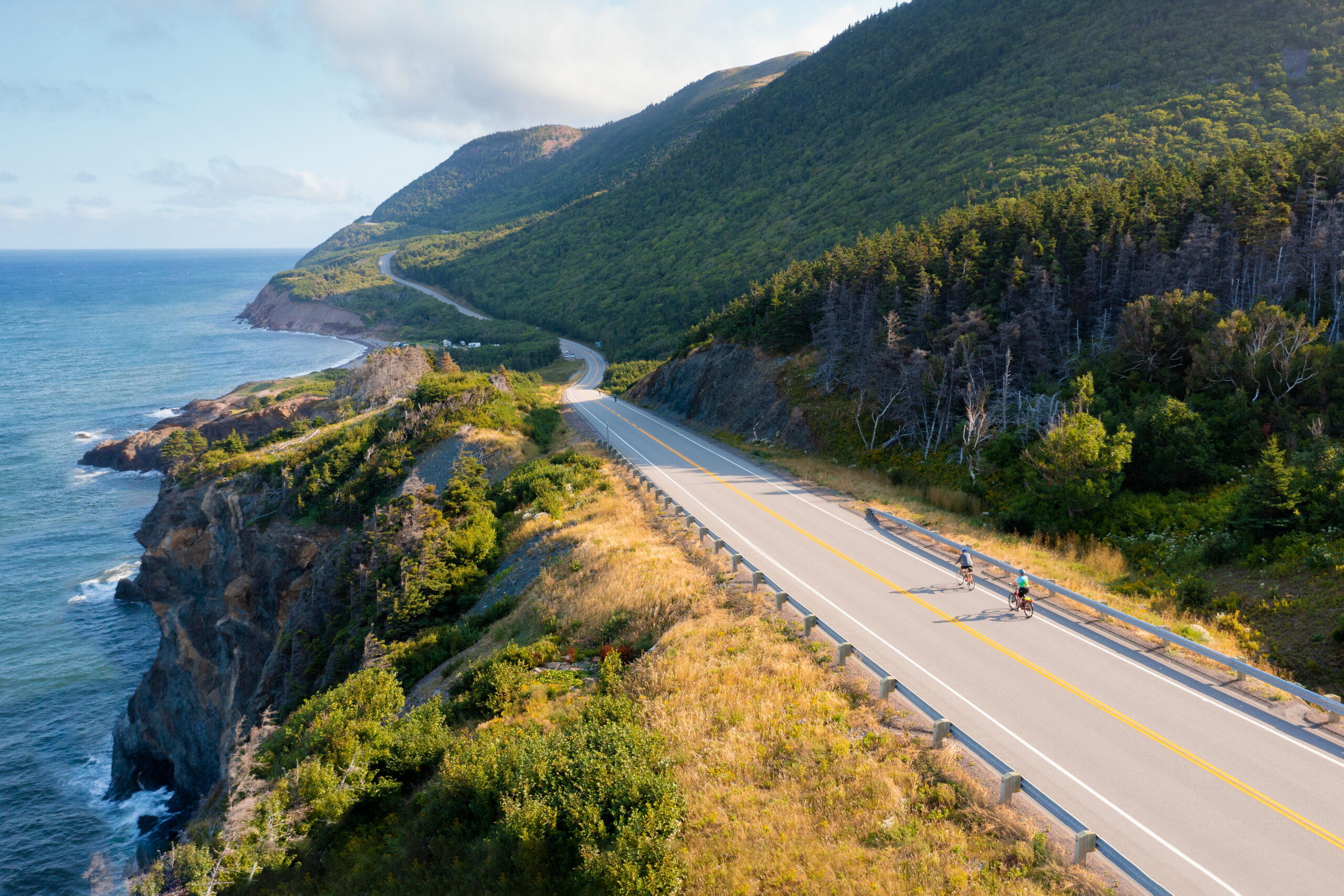
Beyond the cities, cycling also offers a slower way to experience the country itself. Quiet coastal roads, ferry crossings and smaller island communities make Denmark very rewarding to explore by bike. Travelling on two wheels has become one of the defining parts of modern Danish life.
Why and When Cycling Became So Important in Denmark
Cycling has been part of life in Denmark since bicycles first appeared in the late nineteenth century, but their role in society expanded rapidly during the early twentieth century. Over time, cycling became something shared across all parts of Danish society rather than an activity linked to a particular age group or lifestyle. People cycled to work, travelled between towns and used bikes as part of everyday routines both in cities and rural communities.
Later, during the 1970s, rising fuel prices and increasing traffic congestion encouraged Denmark to invest more heavily in cycling infrastructure. With high taxes on cars and fuel, many cities created dedicated cycle lanes, safer streets and better connections between neighbourhoods. Over time, this helped shape the Danish cycling culture that visitors experience today.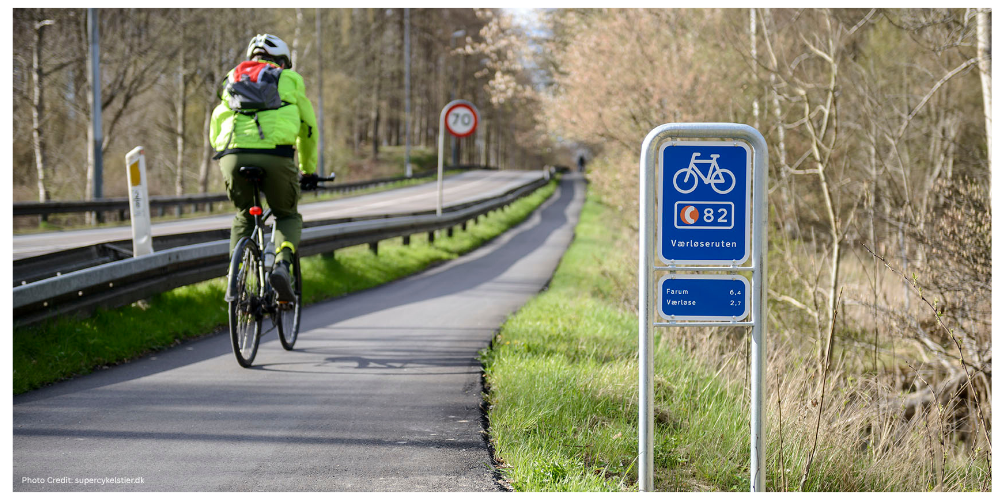
Today, cycling in Denmark is closely linked to the country’s wider focus on sustainability, health and quality of life. Cycling is not only a way to get around but daily exercise. In cities such as Copenhagen and Odense, travelling by bike feels like the simplest and most practical way to get around.
Why Cycling in Denmark Feels So Easy
Part of what makes cycling in Denmark feel so natural is that it often begins at a very young age. Cycling is introduced early, usually before they start school at six years old. Many grow up cycling to school, visiting friends or travelling around their local neighbourhoods independently.
Cargo bikes are also a familiar part of daily life, particularly in larger cities such as Copenhagen. Parents use them to transport children, shopping and even dogs around the city. Seeing families, commuters and older generations using the same infrastructure is part of what makes Danish cycling culture feel so accessible.
The infrastructure itself also plays an important role. Across Denmark, dedicated cycle lanes, clear signage and traffic systems designed to make travelling by bike feel both safe and practical. In and around Copenhagen, cycling superhighways have been developed to connect suburbs with the city centre. These longer distance routes designed specifically for commuters.
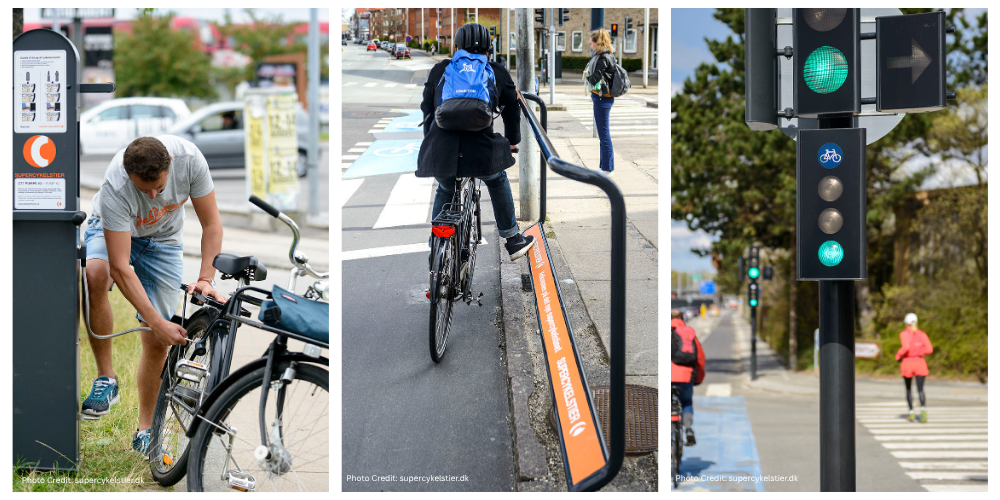
To qualify as a cycling superhighway, routes must meet a range of design features to make everyday cycling easier and more comfortable. Features such as air pumps, safe intersections and foot-rests at traffic lights. Dedicated traffic lights are timed to average cycling speeds, all help journeys feel smoother. The routes are also clearly marked with orange markings painted into the cycle paths, so it can be easy for tourists to navigate too!
Island Hopping by Bike in Funen and Ærø
While cities such as Copenhagen and Odense are often associated with Danish cycling culture, some of the country’s most rewarding cycling experiences are found beyond the mainland. The islands of Funen and Ærø offer a slower pace of travel, where cycling becomes less about commuting and about enjoying the ride.
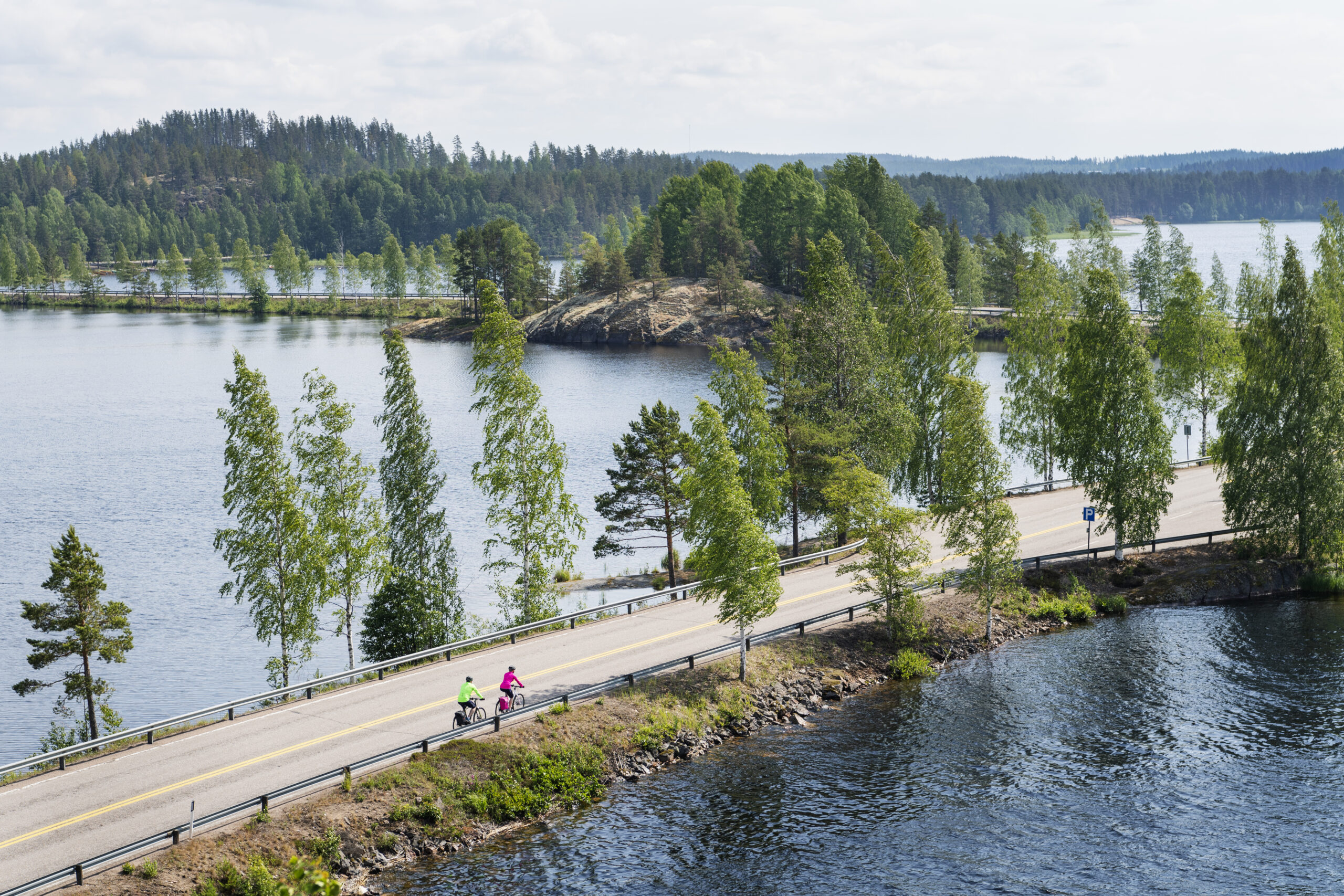
Quiet country roads, coastal scenery and small harbour towns make this part of Denmark particularly well suited to exploring. Ferries connect the islands, allowing travellers to move easily between destinations while taking in a different side of the country. Compared with busier parts of Europe, cycling here often feels relaxed and unhurried. Routes often pass through farmland, colourful villages and stretches of coastline.
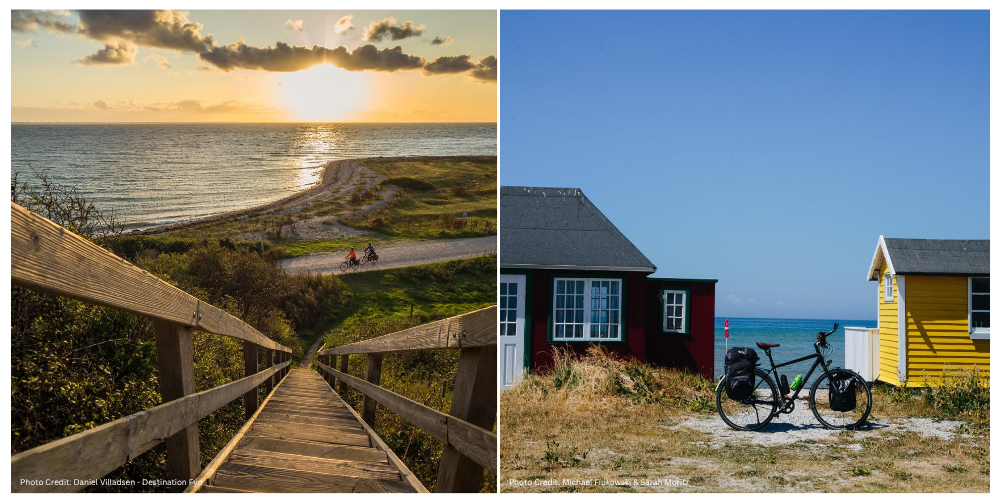
This slower style of travel is part of what makes cycling holidays in Denmark so appealing. Travelling independently allows time to stop in smaller communities, explore local cafés and experience everyday Danish life beyond the main tourist centres.
Our self guided cycling holiday through Funen and Ærø combines island hopping with carefully planned cycling routes, offering a relaxed way to experience one of the most scenic and unexplored parts of Denmark.
Discover Denmark by Bike
Cycling in Denmark is about far more than simply getting from one place to another. Over time, it has become closely connected to the country’s culture, daily routines and way of life. From children learning to cycle at a young age to commuters travelling through cities on dedicated cycle lanes, cycling feels like a natural part of everyday.
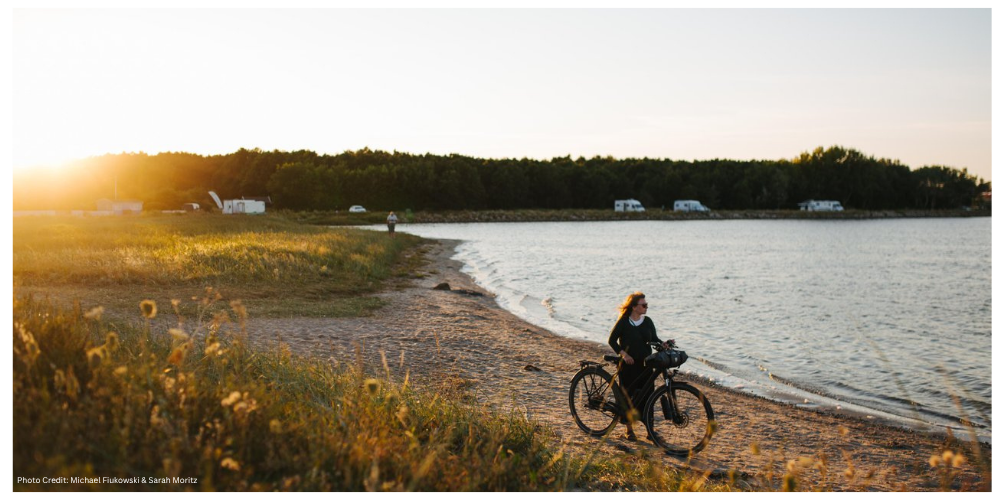
For visitors, travelling by bike also offers a different way to experience the country itself. Coastal roads, ferry crossings and smaller island communities encourage a slower pace of travel, allowing more time to connect with the landscapes and places along the way.