Best time to travel to Svalbard: The Seasons Explained
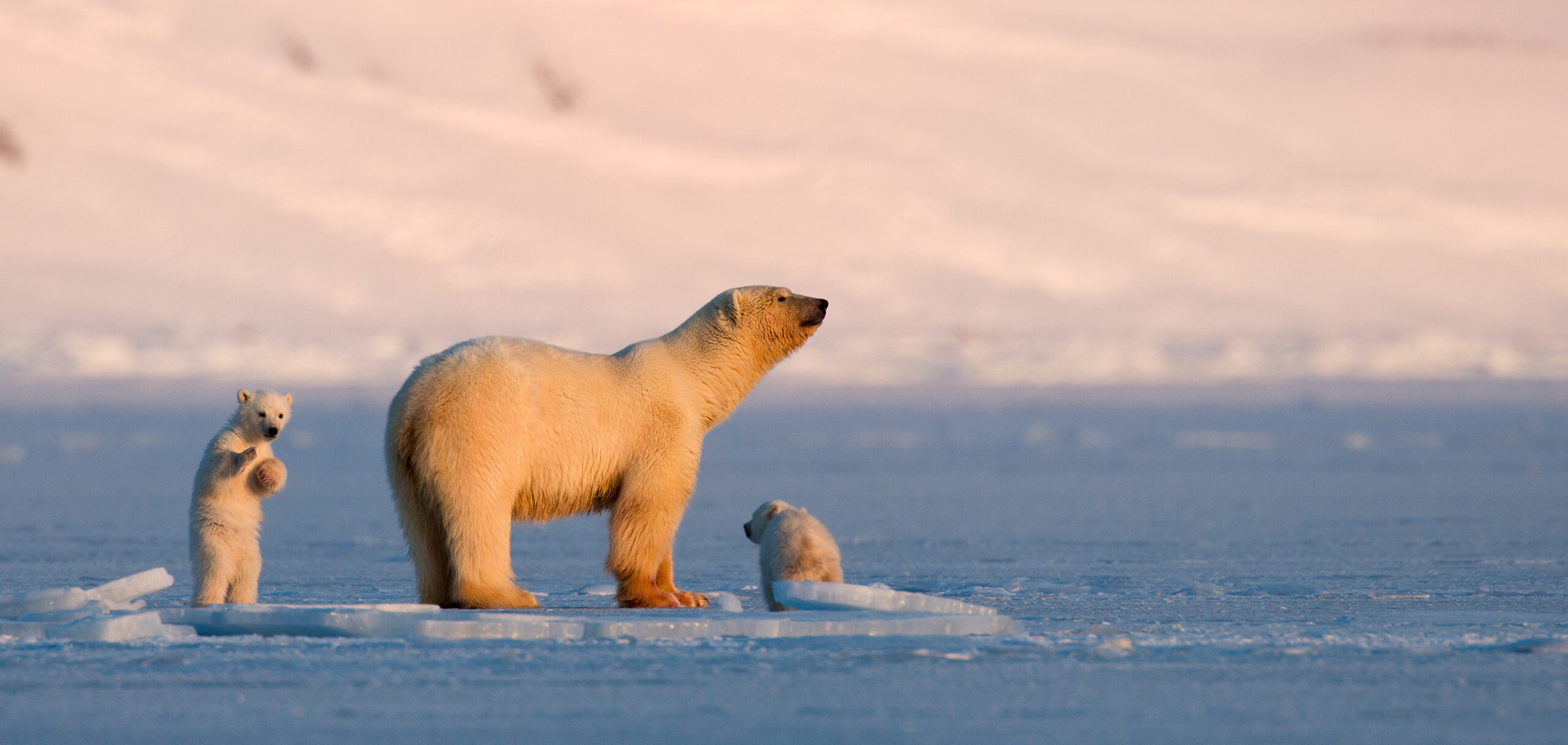 Photo Credit: Asgeir Helgestad - Visit Norway
 The best time to travel to Svalbard will depend on what you want to get out of your trip. Each season feels different, so something to consider at the planning stage. Summer brings long days and open water, making Svalbard accessible by boat. Spring arrives with the return of the Midnight Sun in Svalbard, with 24 hour daylight. Winter settles in with the quiet of the polar night. Arctic Cruises link these seasons and offer a view of the archipelago from the water, perfect for a Northern Lights sighting.
This guide sets out what each season looks like, the wildlife you may see, the experiences on offer and how the light changes throughout the year. By the end you will have a clear sense of the best time to plan your own journey to Svalbard.
Midnight Sun in Svalbard (Summer)
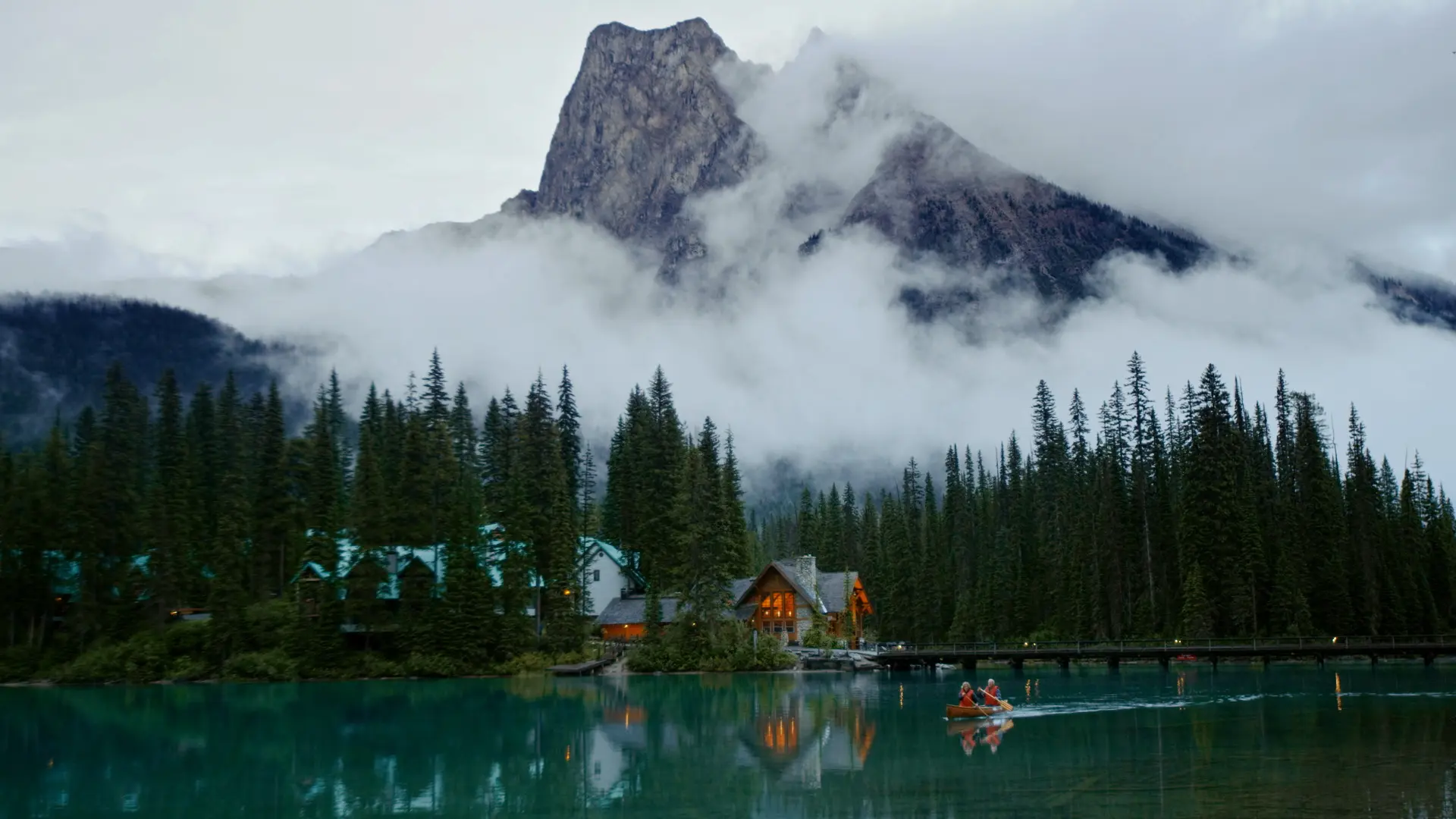
Summer in Svalbard runs from mid May to the end of September. From May to late August, the sunlight lasts throughout the night, which can be disorientating at first to both humans and animals. Temperatures rise enough to make time outdoors comfortable. This is the period when the coastline opens for regular boat travel, so it suits travellers who want time on the water and to make the most of longer days.
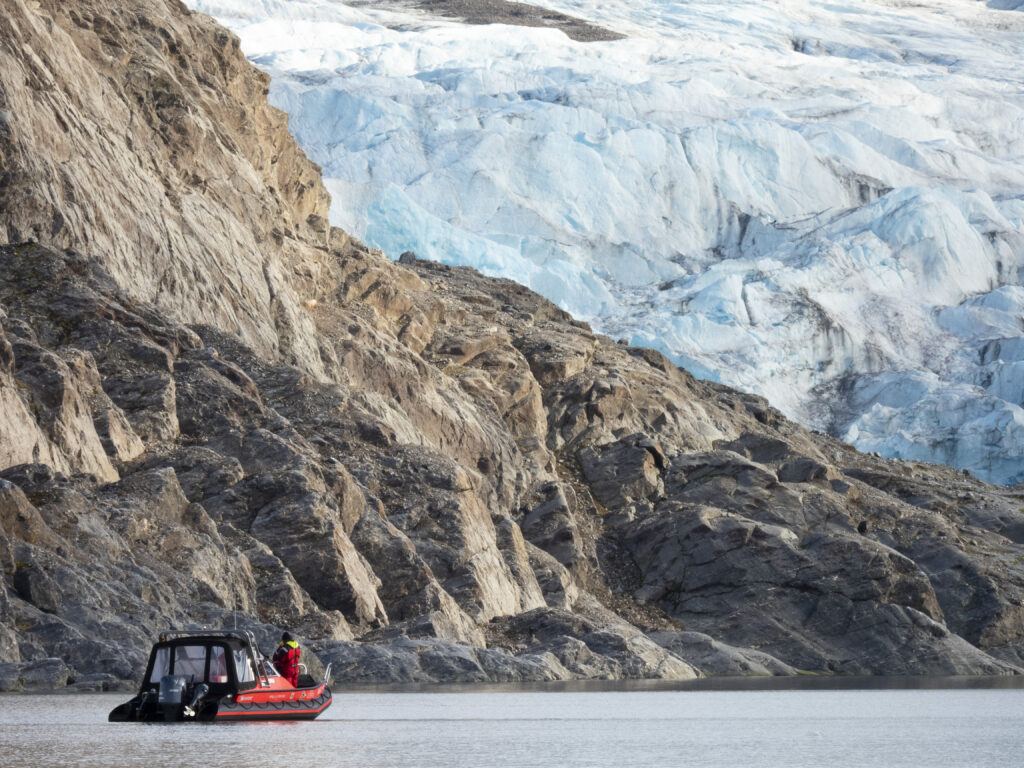
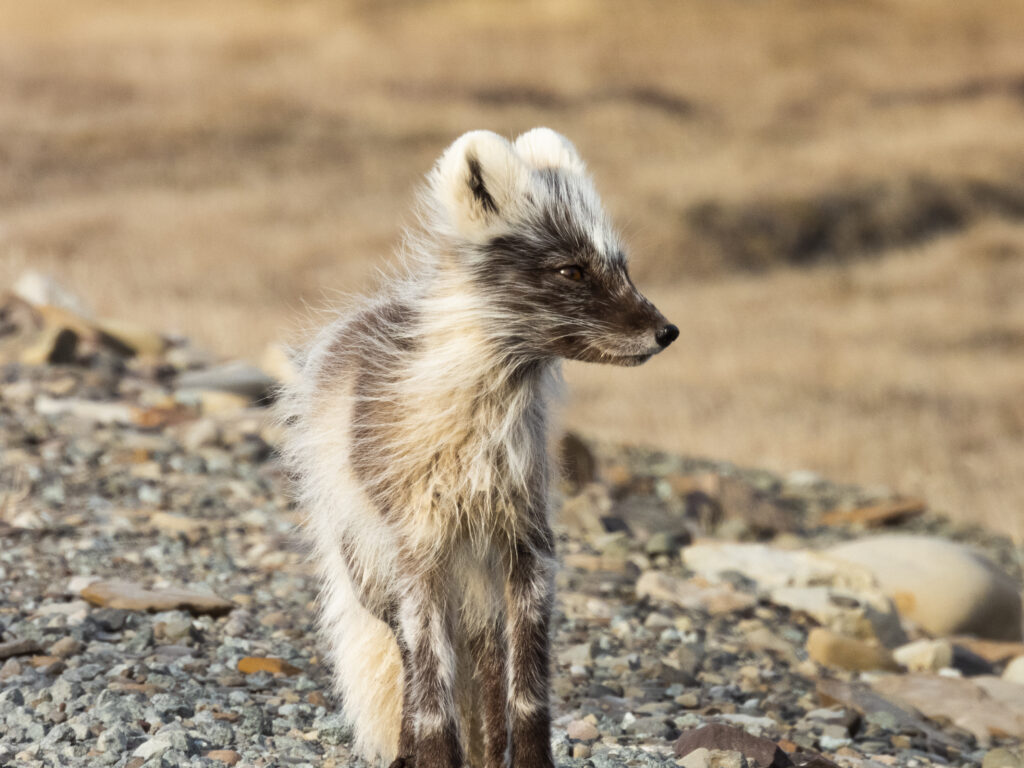
If wildlife is top of your list, the summer months could be the best time for you. Wildlife is active throughout the season. Close to the water, arctic wildlife in summer can include walrus, whales in the fjords and large colonies of seabirds. Many visitors travel at this time for the chance to see these species in their natural setting, including polar foxes, reindeer and the elusive polar bear. If this sounds like something you would enjoy, our Arctic Wildlife and Summer Adventure in Svalbard, could be the trip for you.
Walking routes and guided hikes are easy to enjoy in summer, along with boat trips. Glaciers, valleys and cliffs become accessible with support from local guides. On guided excursions, you may spot wildlife above or search for fossils down low. For those who enjoy watersports, kayaking along the fjords is also an option.
Summer is ideal for long days, easier travel and a variety of wildlife. The warmer climate makes a trip to Svalbard less extreme than in the depths of winter. If you prefer a more relaxed pace, summer could be the right time for your visit.
Polar Night in Svalbard
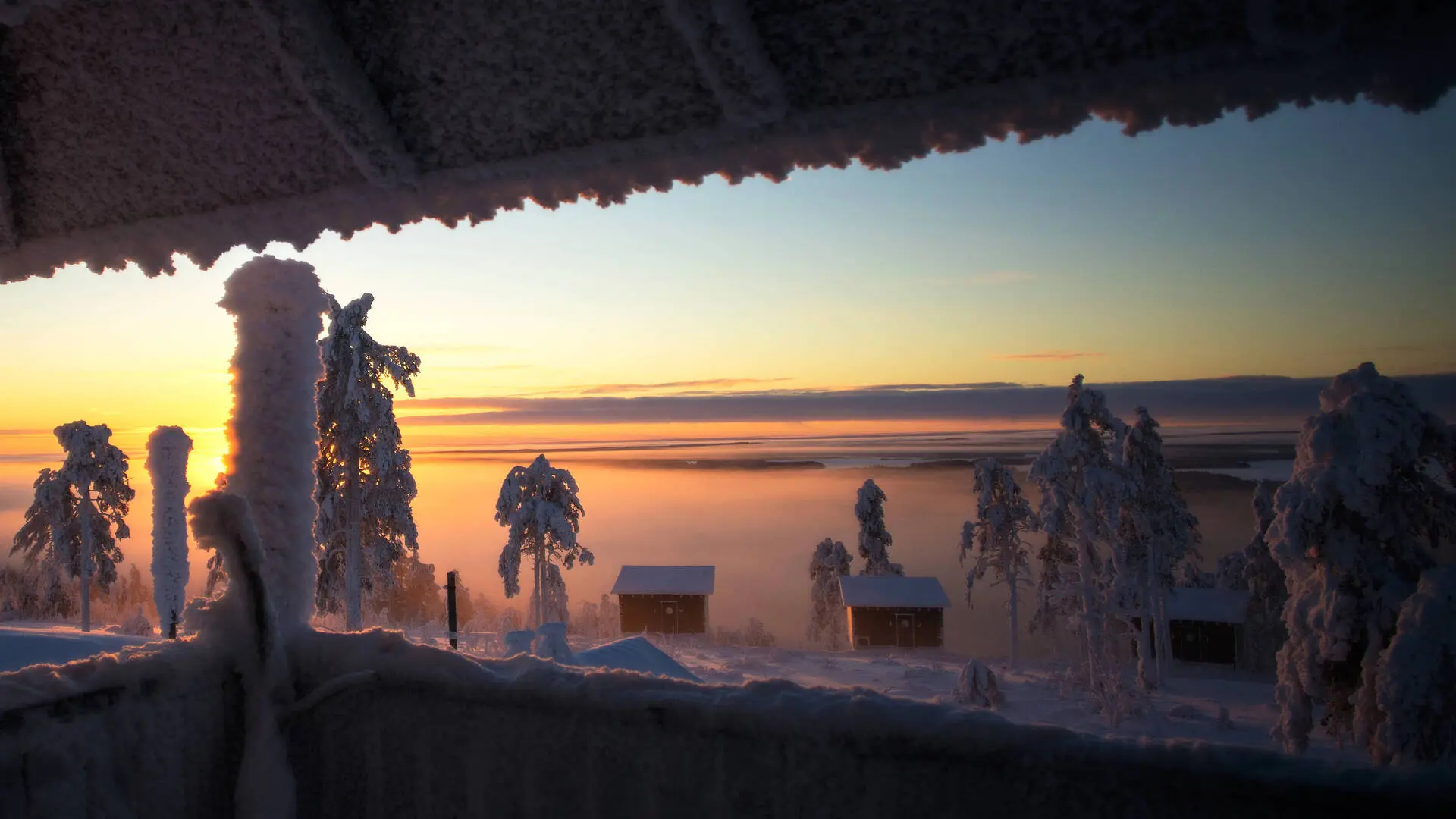
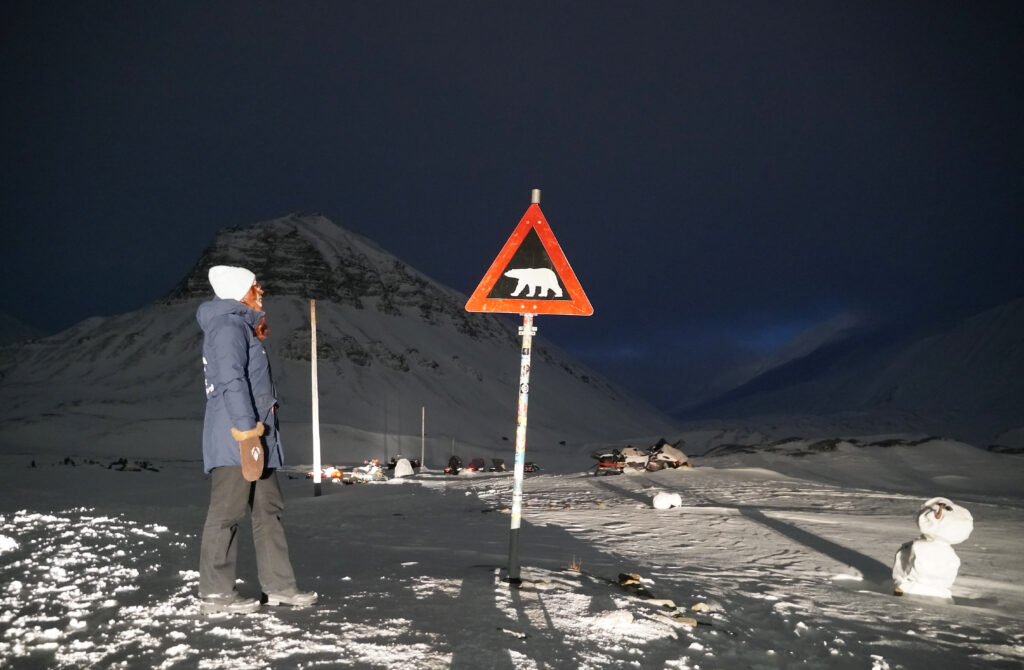
Winter in Svalbard lasts from early October to February, with the Polar Night starting in mid November until late January. Polar Night happens when the sun stays below the horizon, leaving the landscape in twilight or darkness for weeks. This unique season is ideal for travellers who want to experience the Arctic Winter in full force.
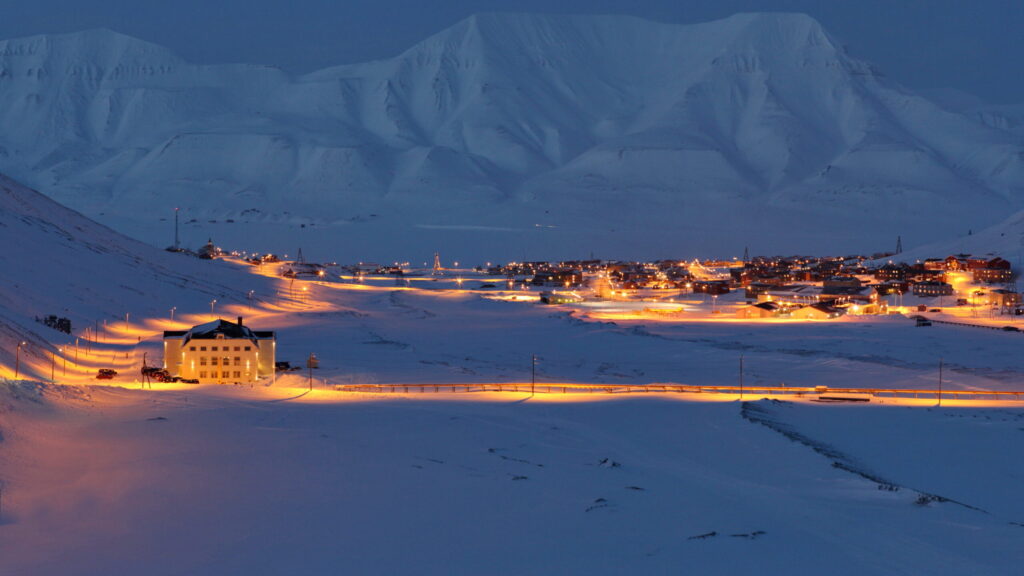
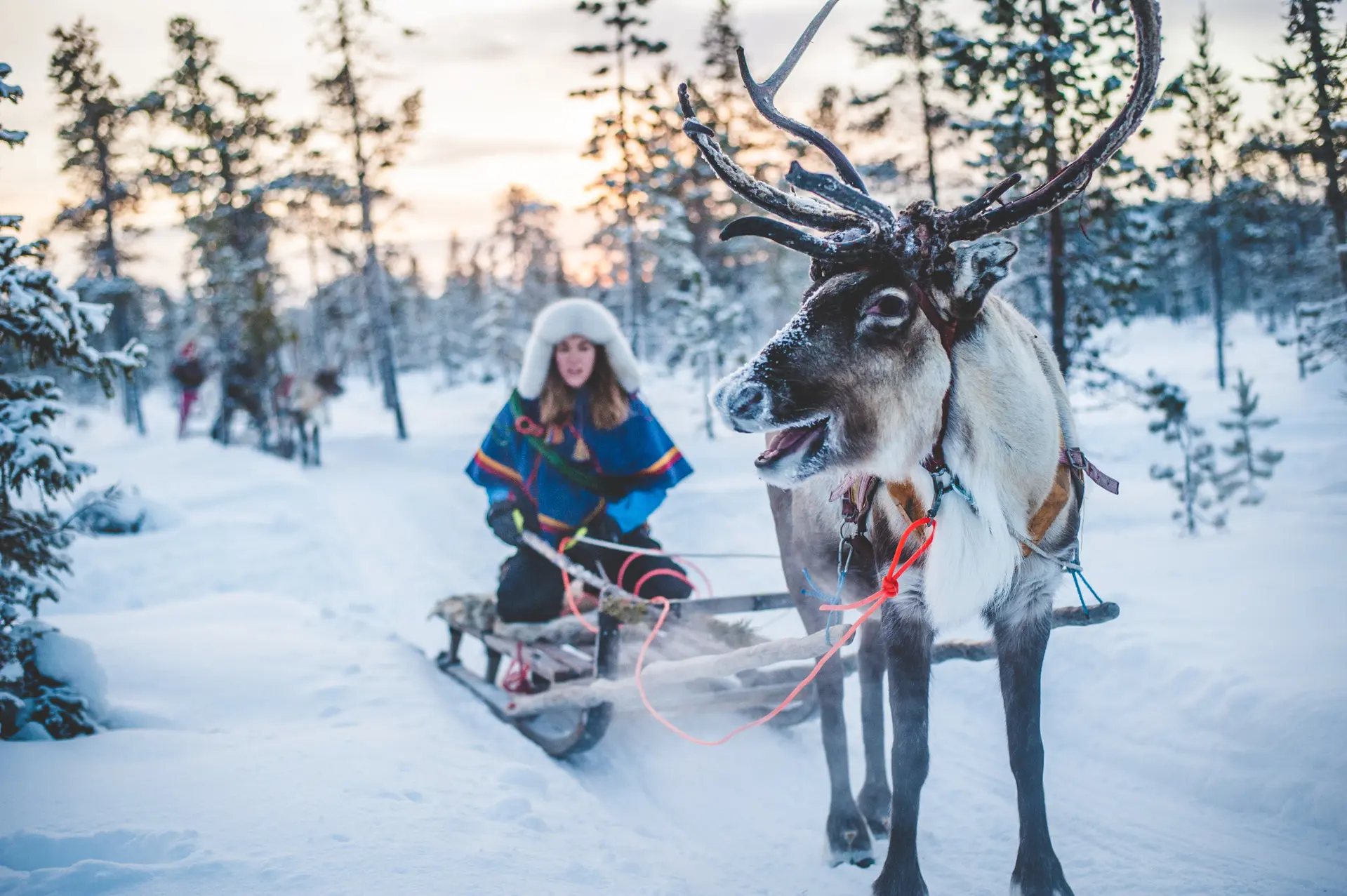
Being located deep within the Arctic Circle, the darkness creates perfect conditions for viewing the Northern Lights. On clear days the stars shine bright all day/night long. Snow covers the mountains and valleys, and the quiet adds a special atmosphere to the archipelago. Winter activities include guided snowmobile tours, ice cave visits and dog sledding.
The capital, Longyearbyen, makes a welcoming base for a winter trip. After a day out in the snow, a warm bed and a tasty meal in town are always waiting. Though small and remote, Longyearbyen offers memorable culinary experiences, from tasting menus to visiting the Svalbard Brewery, located 78 degrees north. Take a look at our Luxury Aurora Break in Svalbard for a comfortable stay in Longyearbyen, with a Northern Lights experience and dog sledding all included.
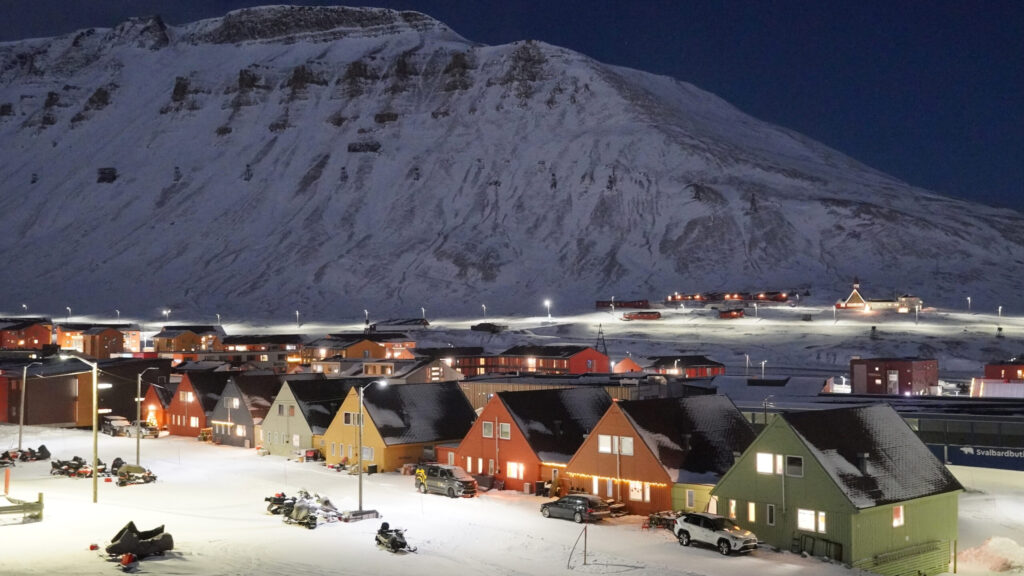
Visiting Svalbard in winter offers a completely different perspective from summer. The landscape feels more remote, and the focus shifts from long days and coastal travel to Northern Lights, deep snow and Arctic experiences.
Spring in Svalbard
Spring in Svalbard (or Sunny Winter) runs from early March to mid May, when the sun begins to reappear following the Polar Night. The word ‘Spring’ doesn’t mean a great deal in Svalbard, as it is still very much winter, but the sun starts to peak back above the horizon, creating beautiful skies, called by locals ‘pastel winter’.
The landscape still holds its snow in early spring, but the returning of constant light encourages movement and exploration. Many birds return to their nest, making it an excellent period for bird watching. Travellers can see Arctic wildlife active in this transition period, including reindeer and seals along the coast.
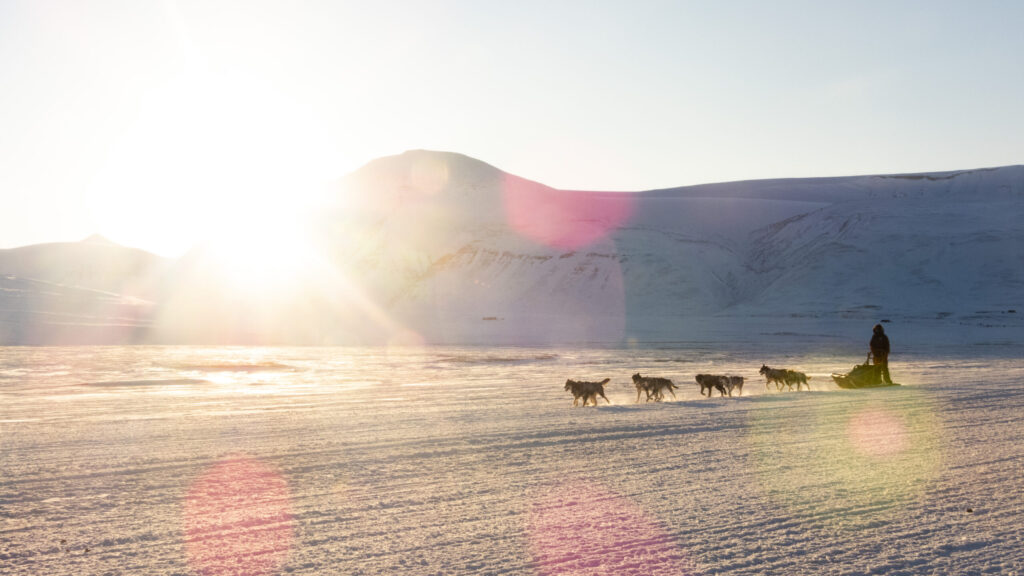
During this time, Svalbard transitions from indoor experiences to outdoor activities, with skiing, dog sledding and snowmobiling all still available during this time. For those who want activity and wildlife and a mix of winter and summer conditions, the Svalbard Winter Sun Adventure includes snowmobiling, an Ice Cave Tour and dog sledding.
Our Sales consultant Yasmin was lucky enough to travel to Svalbard in April, you can read all about her experience here.
Cruises around Svalbard
One of the most direct ways to experience Svalbard is from the water. Experience the magic of Svalbard from a comfortable ship with well appointed cabins, restaurant and small passenger numbers. One of our most popular adventures, the Svalbard Mini‑Cruise offers just that. You begin in the town of Longyearbyen. Then you board the ship for a multi‑night cruise along the coast and into fjords.
A cruise gives access to remote parts of the archipelago. You may find quiet bays, ice‑lined waterways, rugged coastlines and rich wildlife zones that are hard to reach otherwise. Onshore expeditions, small‑boat trips, wildlife spotting and guided landings are part of the experience.
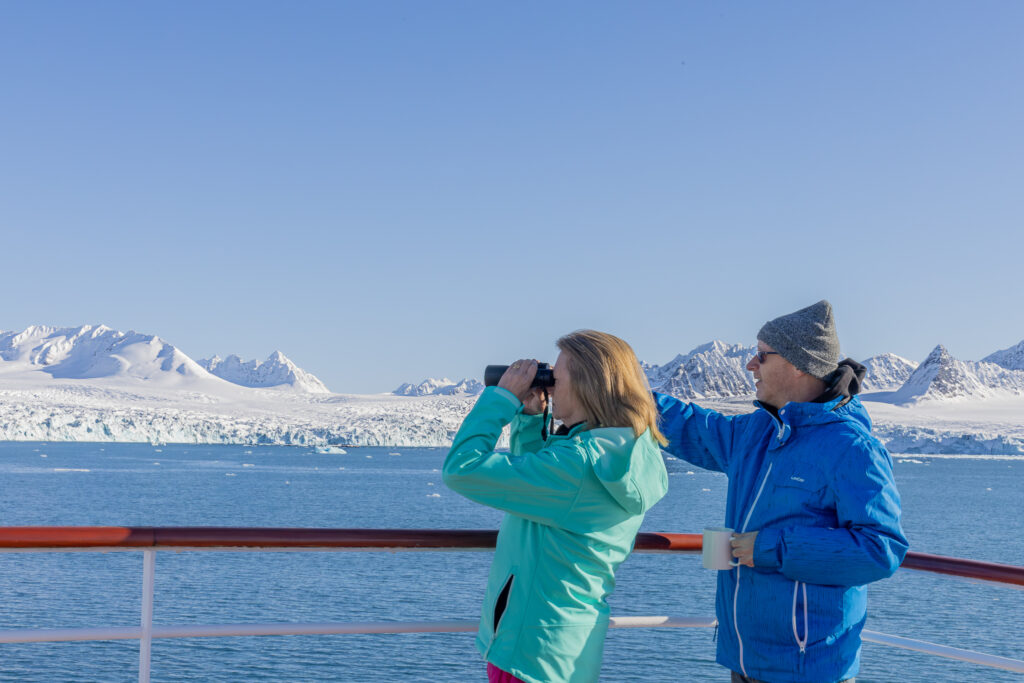
The cruise season runs from May through to September.
- The early season (May–June) can offer dramatic contrasts. Snow still lingers on mountains while fjords start to open. Sea ice may still hold in places, giving a glimpse of Svalbard waking from winter.
- Peak summer (June to August) offers 24‑hour daylight, easier sailing conditions and excellent wildlife viewing. Coastal waters are more accessible and wildlife is active.
- Late season (late August into September) brings softer light, changing colours and often fewer crowds. This can be a good time for a more mellow cruise experience.
From a cruise ship, you might see polar bears, walrus, seals, seabirds and other Arctic species. The fjords and coastlines around Svalbard provide rich opportunities to observe wildlife from both ship and shore.
Beyond wildlife, a cruise offers a chance to see glacial cliffs, remote islands and classic Arctic landscapes from a comfortable base. Onboard comforts, expert guides, and the stability of a small ship make it a good choice for many.
For travellers who want to combine ease and adventure, a cruise may offer the most balanced way to discover Svalbard.
Which season is right for you?
The best time to travel to Svalbard depends on the experience you want. Summer offers long days, easier travel and active wildlife. The midnight sun in spring gives constant light and a mix of winter and summer conditions. Winter brings the polar night, northern lights and deep Arctic adventures. A cruise provides access to remote areas and a chance to see wildlife from the water.
Each season has its own appeal, so consider your priorities when planning a trip. Whether you want extended daylight, quiet snowy landscapes, or a guided Arctic cruise, Svalbard has something to offer all year round. Our team has visited Svalbard countless times and would love to share that knowledge and experience with you. Explore our Svalbard holidays for more inspiration, or contact our Sales Team for more information.