How to Plan a Northern Europe City Break: Itineraries, Tips and Best Cities
 Photo Credit: Frame & Work
 A Northern Europe city break is a simple way to experience a lot of variety in a short space of time. Cities are well connected, and each has its own character, from waterfront capitals to historic old towns. It makes it easy to combine more than one destination without spending too much time travelling between them.
Europe lends itself well to flexible travel. You can focus on a single city or build a longer route that links a few together. All depending on how much time you have and how you like to travel.
In this guide, we will look at how to plan a Northern Europe city break, what makes the region so appealing, and how to shape a trip which feels balanced rather than rushed. We will also highlight some of our favourite cities in Northern Europe, along with practical tips to help you make the most of your time.
Why choose Northern Europe for your next city break
What sets Northern Europe apart is the contrast between its cities. While spending a relatively short amount of time travelling, you can move from sleek, modern capitals to medieval old towns and coastal cities shaped by their maritime history.
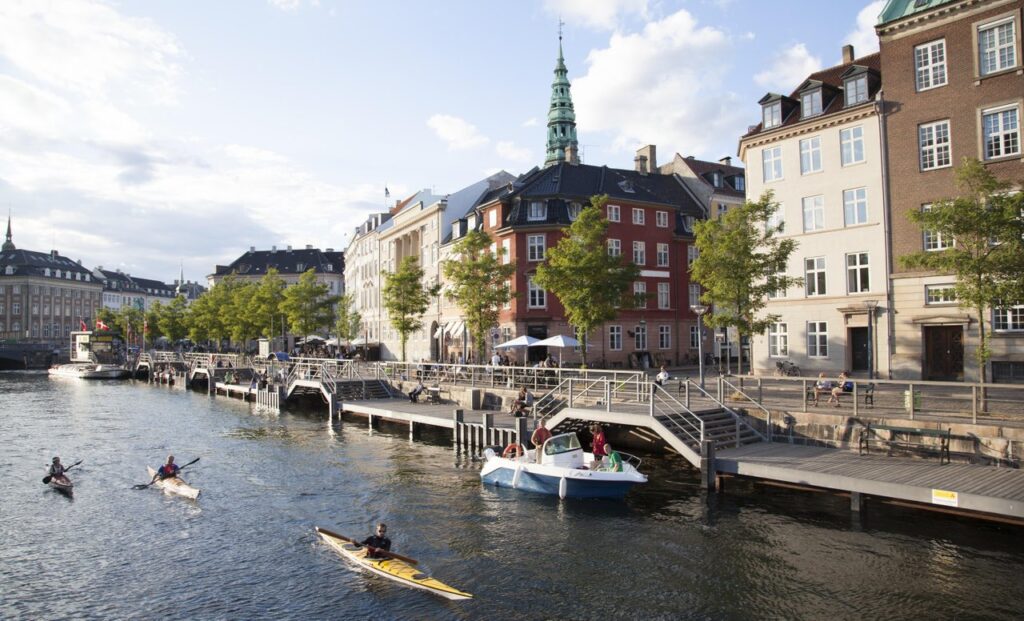
There is also a varying design and architecture throughout the region, or even within one city. Take Copenhagen for example, 17th century maritime style found in Nyhavn and Rococo & Baroque architecture found in Frederik’s Church. There is so much to see in one city, or across a couple.
Public spaces are well considered, waterfronts are often central to city life, and culture is woven into everyday surroundings. The region lends itself to combining different types of experiences in one trip. You might spend time in a design-led capital, then move on to a quieter historic city or a coastal destination with a very different feel. This variety is what makes European city breaks here particularly compelling.
For anyone considering how to plan a European city break that feels layered rather than one-dimensional, Northern Europe offers plenty of options and we are able to make that choice easy and not overwhelming.
Copenhagen: Canals & Scene for Foodies
Canals cut through the centre of Copenhagen, and the harbour has been transformed into a hub of activity. A place for waterfront strolls, boat trips, dinner or just a sundowner. Neighbourhoods like Nyhavn and Vesterbro each have their own feel, from postcard waterfront scenes to more local, design-led streets filled with cafés and independent shops.
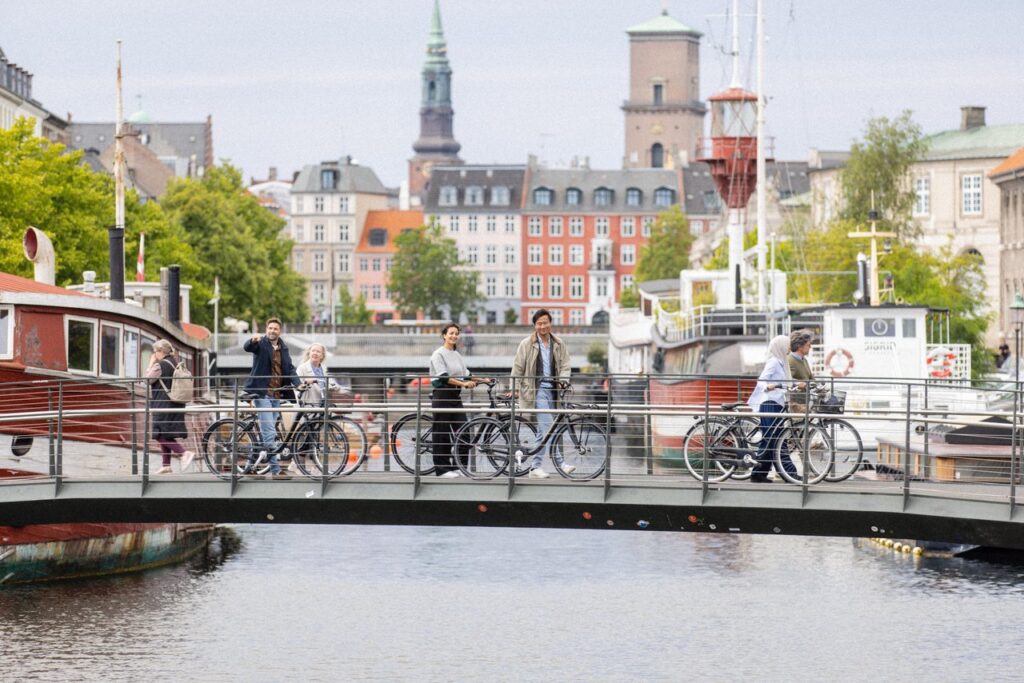
Cycling is a key part of daily life here, and often the easiest way to explore. The food scene in Copenhagen is consistently high quality, whether you are looking for a coffee and a Danish pastry or a Michelin star dining experience, you will find it here. If Copenhagen is sounding appealing, take a look at my blog on how to spend one day in Copenhagen, where you will also find a personal restaurant recommendation.
Oslo: Fjord-Side Summer Nights and Open Spaces
Where fjords meet urban city, you will find Oslo. The waterfront has been redeveloped with striking modern buildings, including the Opera House, which you can walk across, around and on the roof. During the summer, concerts and film screenings take place on the water, with locals bringing picnics and drinks, settling in for a night ‘on’ the Opera House.
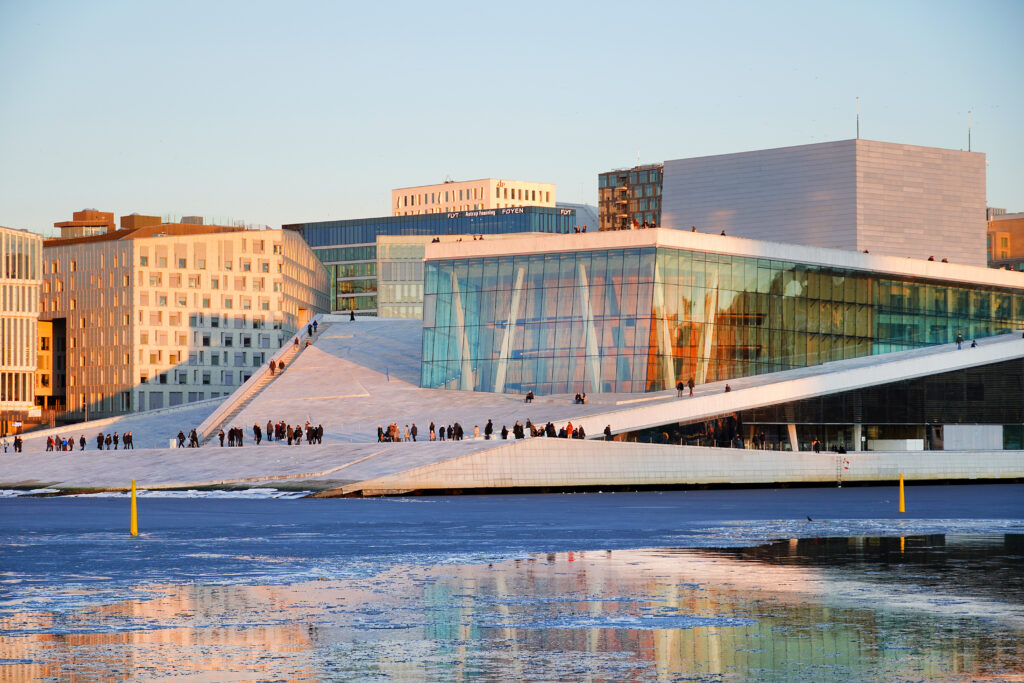
The city feels open and uncluttered, with wide streets, green spaces and easy access to nature even from the centre. One of my favourite places to visit is the Ekeberg Sculpture Park, the perfect combination of nature and culture. Other museums, galleries and cafés are spread across walkable districts rather than concentrated in one area. Highlights include the National Museum, which brings together Norway’s art, architecture and design collections under one roof. You will also find the MUNCH Museum, dedicated to the works of Edvard Munch, including The Scream. For a deeper dive into Oslofjord and City, my Oslo City Guide is a good place to start.
Bergen: Colourful harbour and gateway to the fjords
Bergen is one of the most recognisable cities in the region. The historic Bryggen waterfront is lined with colourful wooden buildings that reflect its trading past, now home to small shops, cafés and restaurants tucked into narrow alleyways. The harbour remains active throughout the day, with fishing boats, ferries and cruise ships moving in and out.
What really defines Bergen, though, is its setting. The city is framed by mountains on all sides, which rise steeply from the waterfront and create a dramatic backdrop in every direction. The Fløibanen funicular takes you from the centre up to the top of Mount Fløyen in just a few minutes, where viewpoints open out over the harbour, rooftops and surrounding peaks.
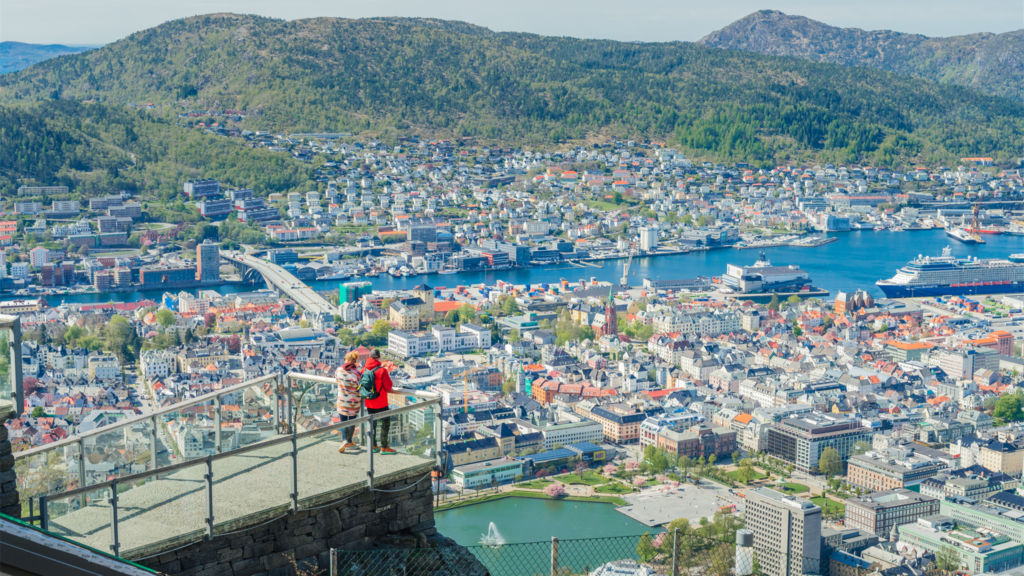
Bergen also works well as a natural starting point for exploring the Norwegian fjords, with day trips and longer routes easily accessible from the city. It is a place where urban life and dramatic landscapes sit side by side, often within the same view.
These three cities are well connected by train and ferry, making it easy to link Copenhagen, Oslo and Bergen into a single, seamless journey. If you want to see how this route works in practice, you can explore our Scandinavian City Break here.
Helsinki: Design and Islands
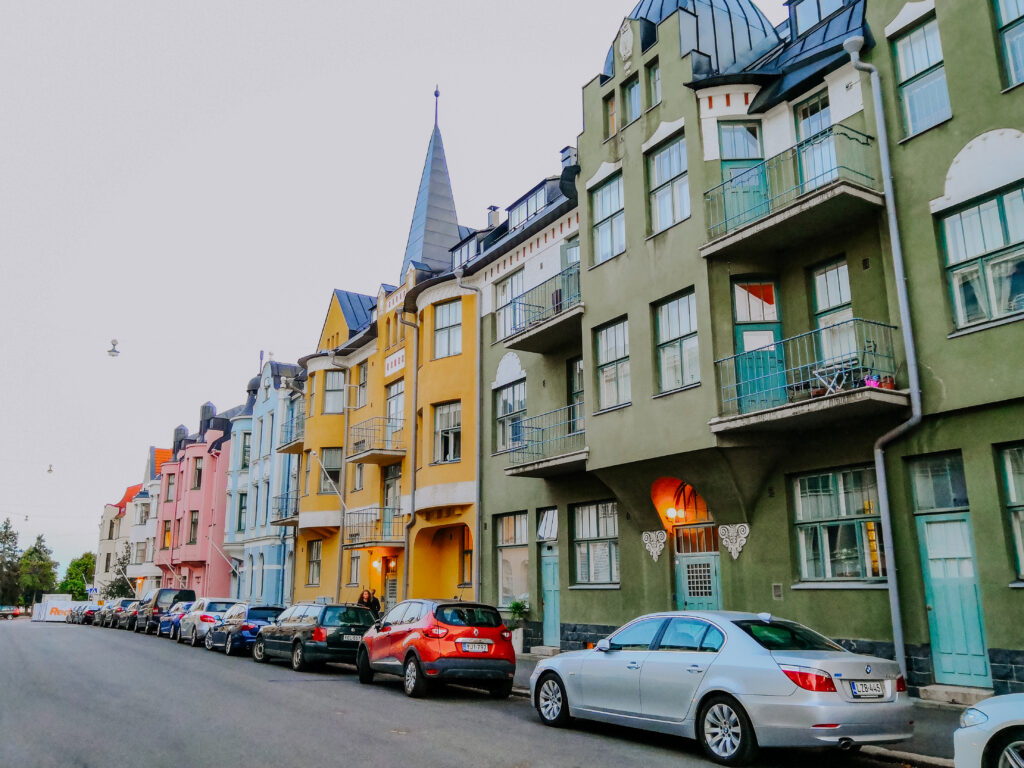
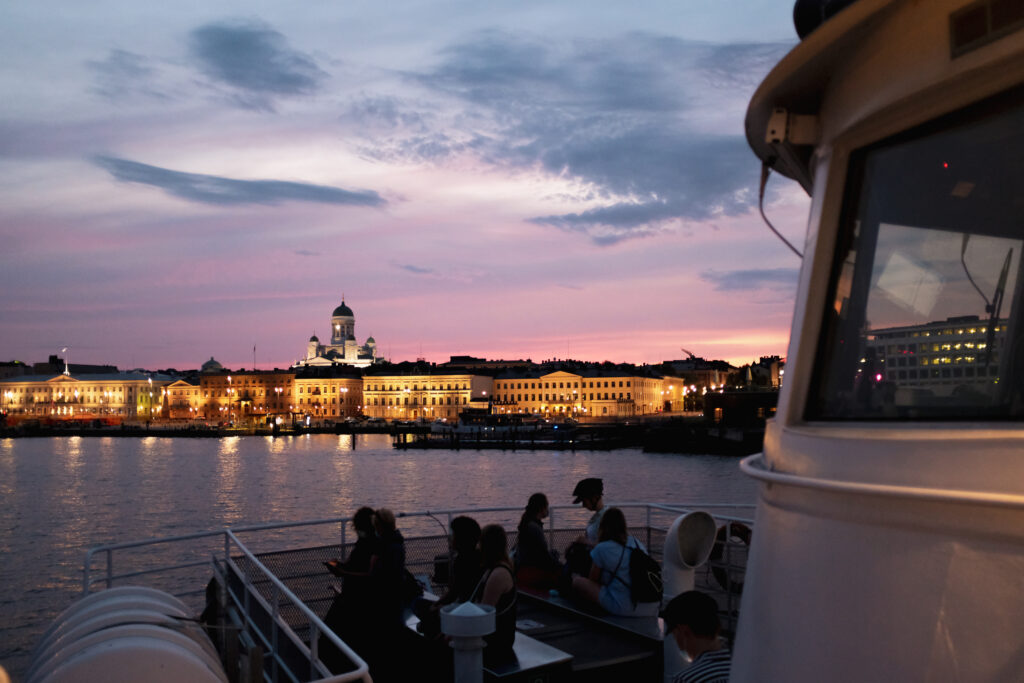
Helsinki has a calm, considered feel, shaped by its position on the Baltic Sea and the many islands that sit just offshore. Ferries run regularly from the city centre, making it easy to move between urban streets and more open, coastal landscapes in a short space of time.
Tallinn: Medieval meets Modern
Tallinn’s Old Town is one of the best preserved medieval centres in Europe, with cobbled streets, stone towers and viewpoints that look out across red rooftops and the Baltic Sea. It is compact and easy to explore on foot, with hidden courtyards, small cafés and historic buildings around almost every corner.
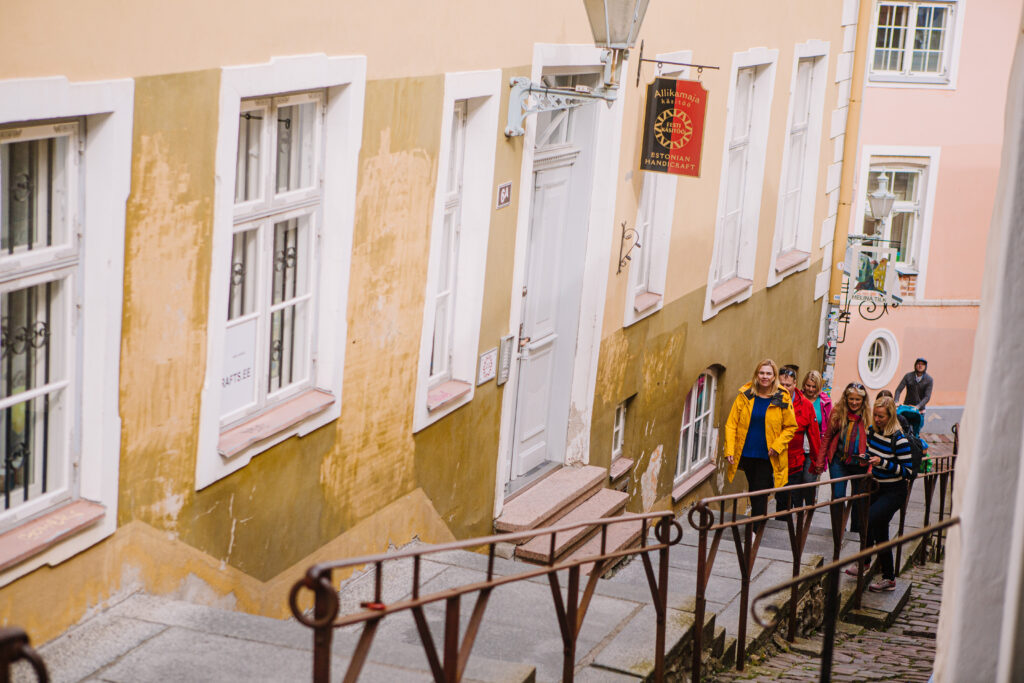
Beyond the Old Town, the city has developed a strong creative and tech scene, particularly in areas like Telliskivi, where old industrial buildings now house studios, restaurants and independent shops. This contrast between historic and modern gives Tallinn a very distinctive character. Estonia might not spring to mind when thinking of a city break on the food scene, but there is no reason why it shouldn’t. Take a read of Annie’s blog here – from Michelin Treats to Forest Feasts.
Tips for a successful Northern Europe city break
A Northern Europe city break works best when you strike a balance between planning and flexibility. The region is easy to travel through, but the experience changes depending on how you choose to spend your time in each city.
Rent a Bike:
One of the best ways to get around is by bike, particularly in cities like Copenhagen, where cycling is part of everyday life. It is often quicker than public transport and gives you a much better sense of how the city flows, from quiet residential streets to busy waterfront areas. It also means you can see so much more than travelling by foot. European cities have well established bike lanes and it’s a very safe way to get around.
Be aware of Transport options:
If you are planning a Northern Europe multi city break, it helps to map out your route in advance, especially for trains, ferries or short flights between cities. Once you are on the ground, though, keeping your plans loose allows you to adjust for weather conditions, opening hours or recommendations you pick up along the way.
Opening hours:
It is important to check opening days and times of museums and attractions before you go, so you can plan your time there accordingly. Museums and attractions do not always follow the same weekly schedule. In cities like Oslo, for example, some sites may close on certain weekdays or operate reduced hours outside peak season.
Take it Easy:
It is also worth resisting the urge to do too much. A European city break itinerary can easily become packed with sights, but each destination has enough depth to justify slowing down. Some of the best moments come from unplanned time, whether that is sitting in a café, wandering through neighbourhoods, or the unplanned, happened upon dining experiences.
The most rewarding Northern Europe city break is rarely the one that tries to fit everything in. It is the one that combines a few well-chosen highlights with space to simply explore. We can tailor a city break trip based on your personal preferences and interests. Take a look here are our Luxury Tailor-made Holidays or contact our Sales Team for more information.