Arctic Small Ship Cruising vs Micro Cruising: Greenland & Svalbard
Arctic small ship cruising is one of the most effective ways to explore the remote edges of the polar regions. It offers access to quiet coastlines, close wildlife encounters, and landscapes that larger vessels cannot reach. However Micro Cruising can take this one step further, with even fewer than 100 (or even 50!) passengers and much smaller ships.
What is Micro Cruising?
Micro cruising still sits within the Arctic small ship cruising sector, but it takes things to another level. It refers to voyages operated on very small vessels, such as schooners or private yachts and typically carrying only a handful of guests compared to standard expedition ships. The focus is less on onboard facilities and more on direct access to remote environments.
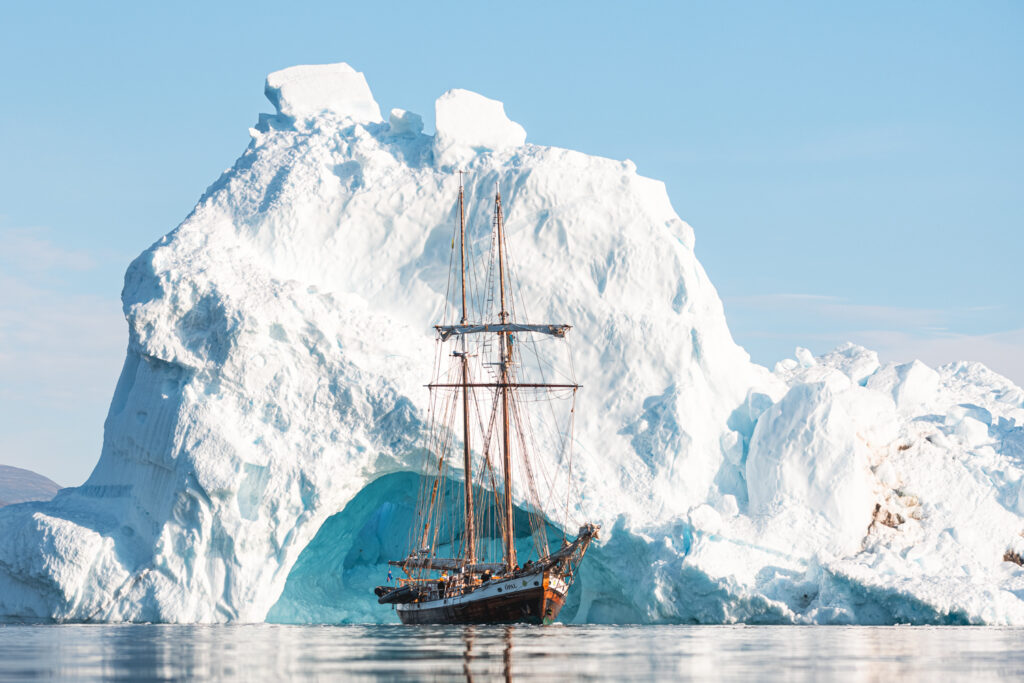
In practice, any expedition cruise is designed to move lightly through the Arctic, adapting to conditions rather than following a fixed, rigid schedule. Routes can change with ice, weather, and wildlife movement, allowing the journey to feel more responsive and less predictable. This is made every bit easier on an Arctic micro cruise. Ships being traditionally built and with lower environmental impact, can bring their guests even closer to their destination and leave a lighter footprint.
It is also worth noting that micro cruising is not about removing comfort. Instead, it prioritises simplicity and proximity to the landscape. Cabins remain comfortable, and expedition teams are still central to the experience, but the overall feel is more pared back and focused on being outside rather than onboard.
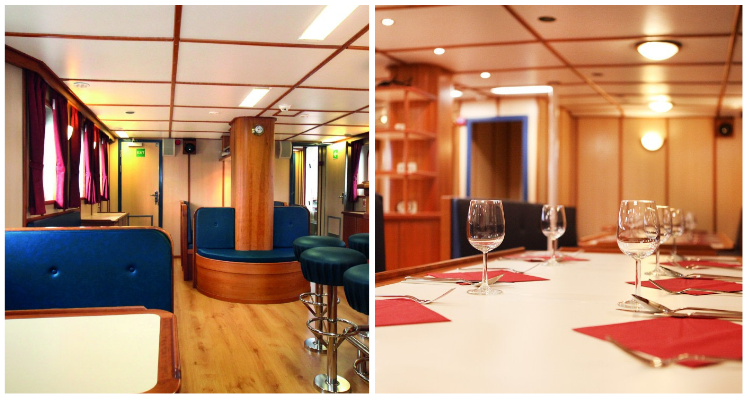
As interest grows in more remote and flexible forms of Arctic travel, micro cruising is becoming a natural evolution of Arctic expedition cruise experiences. It appeals to those who want to spend less time moving between large groups and more time in quieter, less visited parts of the polar world.
Why Smaller Vessels Matter in Greenland and Svalbard
In Arctic small ship cruising, scale has a direct impact on the experience. The size of the vessel shapes where you can go, how you move through the landscape, and how much time you can actually spend in it. In remote regions like Svalbard and Greenland, this also helps reduce pressure on sensitive environments, where geography and ice define every route.
In Svalbard, this flexibility is particularly valuable. The archipelago is defined by shifting ice, open tundra, and long stretches of untouched coastline. A Svalbard small ship cruising experience on a smaller vessel often feels more immediate, with routes shaped by what is possible rather than what is fixed in advance, helping to limit concentrated impact at landing sites.
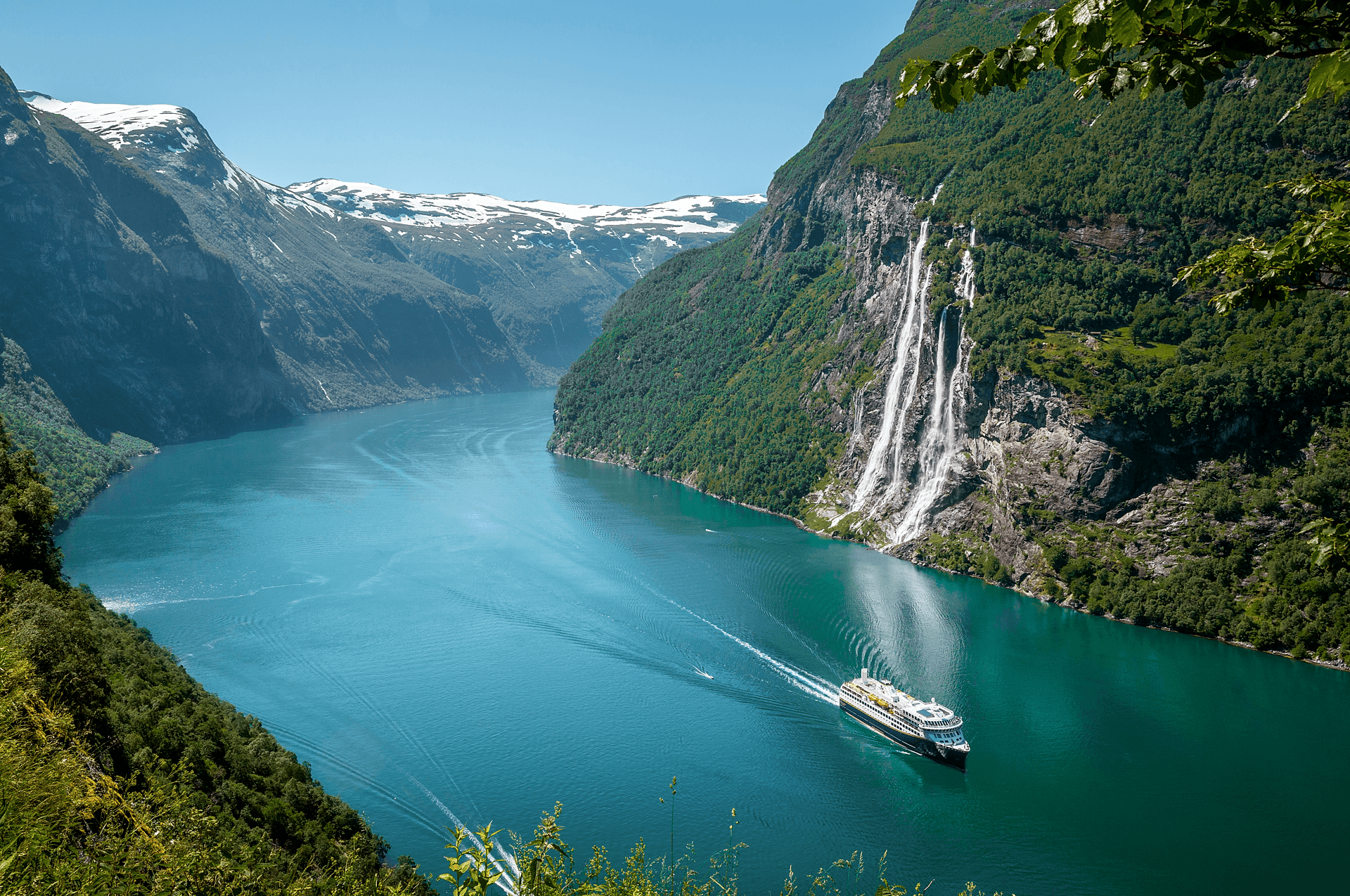
The same is true in Greenland, where vast fjord systems and remote settlements stretch across thousands of kilometres of coastline. A Greenland small ship cruise can move deeper into narrow channels and less visited anchorages, creating a sense of distance from any established route. For travellers drawn to this style of scenic coastal exploration, Norway fjords cruise holidays offer another way to experience dramatic northern landscapes from the water. In Greenland, however, remote Arctic cruising becomes less about following a classic cruise route and more about how closely you can engage with the landscape, with smaller vessels naturally supporting lower levels of disturbance in more isolated areas.
What the Experience Feels Like On Board
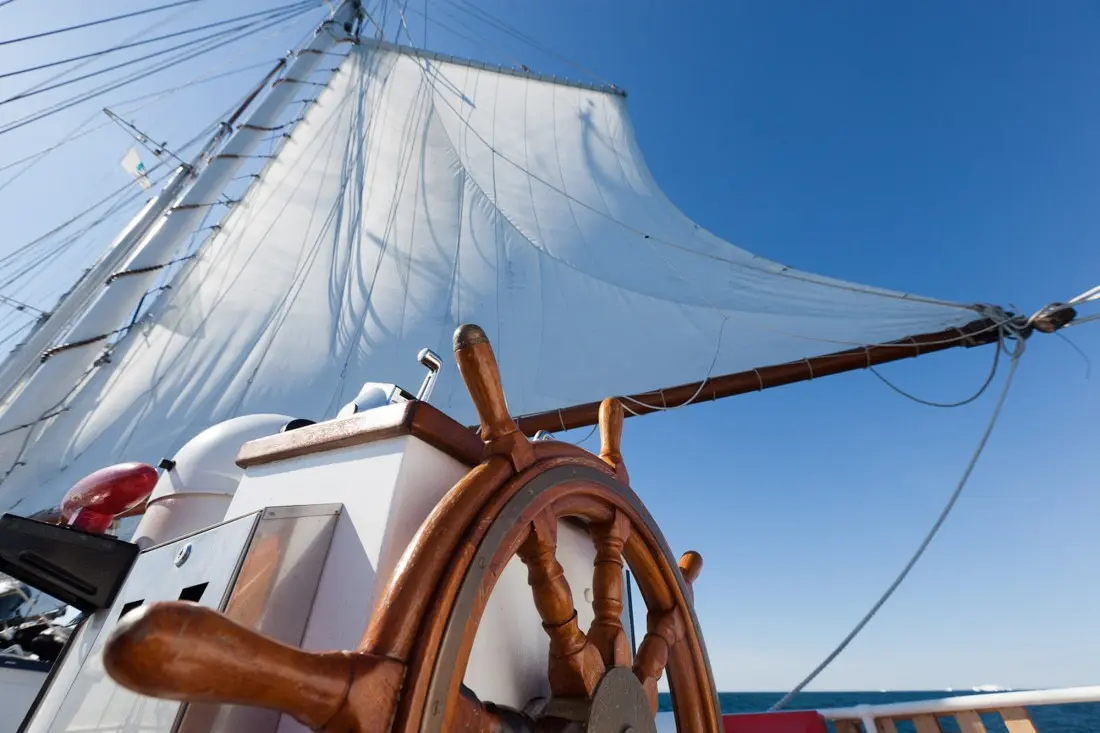
In Arctic small ship cruising, the type of vessel shapes the entire experience. This becomes even more evident when moving away from modern expedition ships and onto smaller, character-led sailing vessels such as schooners and traditional working boats. In regions like Svalbard and Greenland, these smaller craft offer a very different way of moving through the landscape.
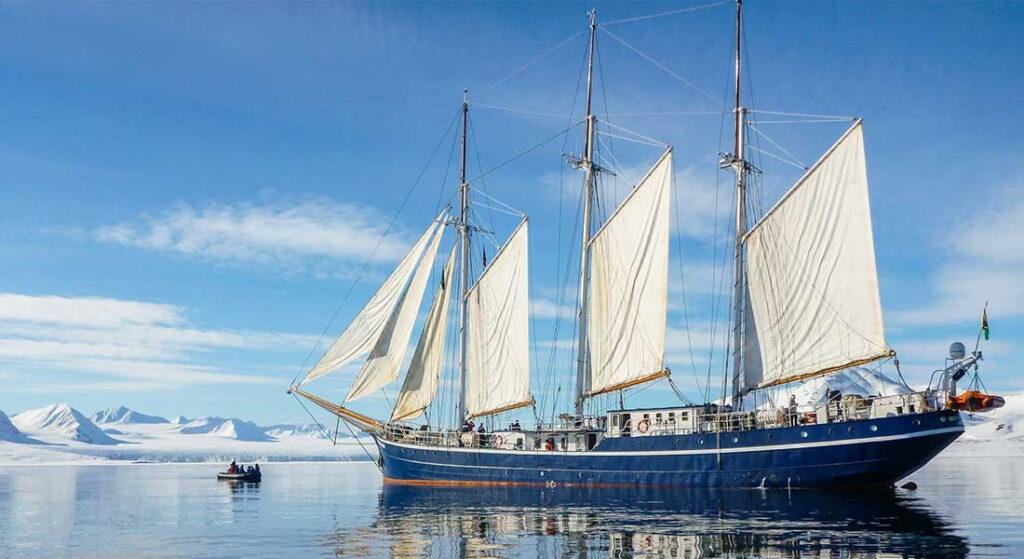
Sailing vessels such as the schooner S/V Rembrandt van Rijn are a strong example of this approach. With a passenger capacity of around 33 guests, they feel more like working ships than cruise vessels. Their size allows them to enter narrower fjords and quieter coastal areas, while still offering the stability needed for Arctic waters. This creates a more direct connection to the environment, where the journey itself feels closely tied to wind, ice, and sea conditions.
Traditional wooden vessels used by operators such as North Sailing bring a different character. These converted oak fishing boats are smaller still, often carrying just a handful of guests. Their scale allows for an even quieter presence at sea, particularly in sheltered waters and along coastal routes.
This smaller scale matters in practical terms as well. Fewer guests on board means landings are quicker to organise and far less crowded once ashore. It also allows for greater flexibility when conditions change, which they frequently do in both Svalbard and Greenland. Ice movement, wind shifts, or wildlife sightings can all influence the day’s route, and smaller vessels are able to respond with ease.
The Future of Arctic Small Ship Cruising
Arctic small ship cruising has continued to evolve as travellers look for more meaningful and less crowded ways to explore remote regions. Within this shift, micro cruising is beginning to stand out as a natural next step rather than a separate category.
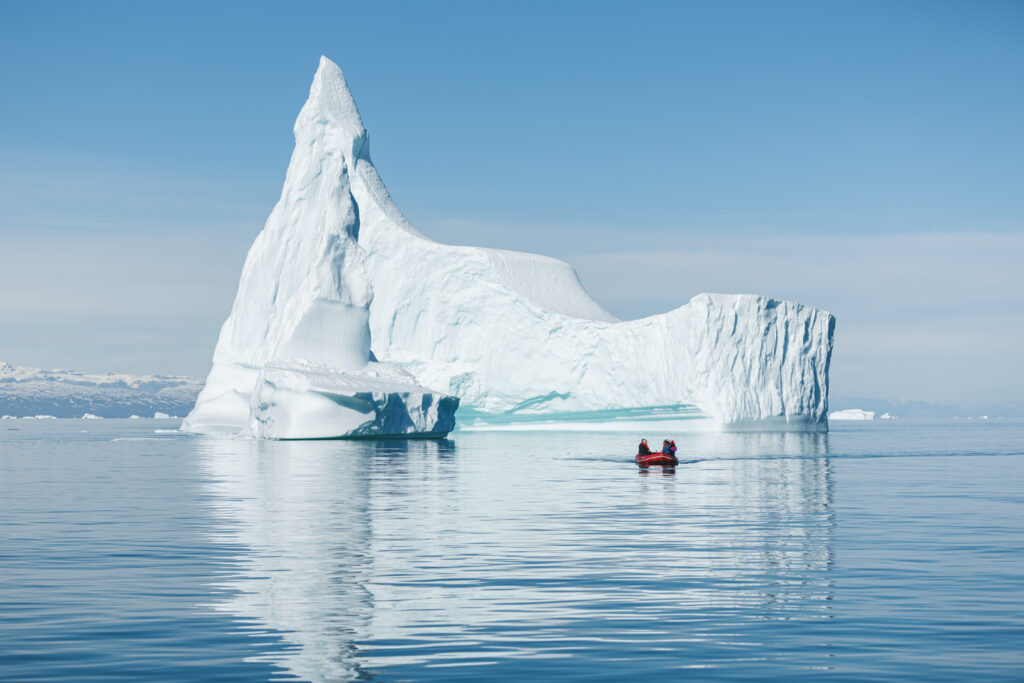
As this style of travel develops, Arctic expedition cruise experiences are becoming more varied in scale and format. What remains consistent is the focus on the environment itself. Whether navigating Greenland’s vast fjord systems or exploring the edge of Svalbard’s sea ice, the emphasis is on living in the moment, and leaving as little impact as possible.
Ultimately, Arctic small ship cruising is not being replaced, but refined. Micro cruising simply highlights what is already at the heart of these journeys: adaptability, proximity to nature, and the ability to move with the landscape rather than against it.
The Shape of Arctic Travel Today
What stays constant across all forms of Arctic exploration is the sense of scale. The silence, the space, and the changing light are what define the experience, regardless of vessel size. Smaller ships simply offer a different way of being present within it. Arctic small ship cruising and micro cruising both offer their own way of seeing the Arctic, but both remain rooted in the same essential experience: travel shaped by the natural world, rather than the other way around.